Between What Was and What Will Be
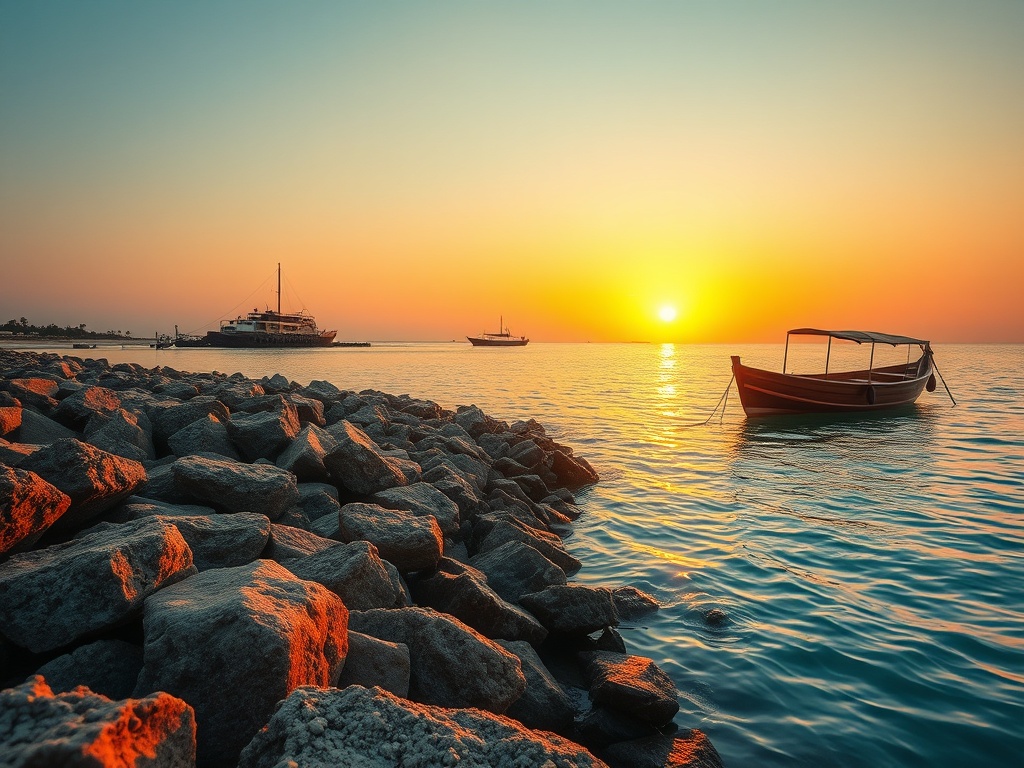
The sea has a way of smoothing even the roughest coral, turning jagged edges into polished stones that catch the light. Sometimes I think we Maldivians are like those stones—shaped by currents of history, religion, and progress until our surfaces reflect conflicting truths.
There's tension in how we see beauty. One person's masterpiece is another's chaos, one culture's sacred art another's idolatry. The same hands that carved intricate patterns into wood now draw blueprints for land reclamation projects that will reshape our islands. We debate aesthetics while heavy machinery groans in the distance, scooping sand from the seabed to create new ground where there was only ocean.
Our history sits uneasily with us. We speak of pre-Islamic times as both lost and preserved, as something to study but not celebrate. The same soil that holds ancient Buddhist relics now supports concrete pillars for new housing units. We're building our future literally on top of our past, layer upon layer like the growth rings of a palm tree.
At the grocery store, price tags don't match the scanned amounts—small inconsistencies that mirror larger disconnects. Promises made during community meetings echo in half-built harbors and planned roads. The gap between pledge and fulfillment yawns like the channel between islands at high tide.
Yet there's determination in the humid air. The same stubbornness that helped us survive monsoon seasons now fuels debates about development, identity, and what it means to preserve culture while embracing progress. We're learning that beauty isn't universal, that history isn't linear, and that building something new doesn't necessarily mean destroying what came before.
The ocean teaches patience. The tides recede and return, the moon pulls the water, and the islands remain. Perhaps we're learning that our identity isn't found in rejecting what was or blindly embracing what will be, but in navigating the difficult, beautiful space between.
— Source fragments: Individual carving is good but overall this doesn't look aesthetic; History is lost? what exactly was lost?; land reclamation project to expand livable space; Its better to create our historical narrative of an indigenous people; why doesnt sto have alot of its items prices not listed next to them