Beyond Hashtags: Finding Home in Maldivian Language and Land
The declaration cuts quietly through digital atolls: "I don't need Addu in my handle to validate where I belong." It speaks to identity beyond geography—something carried within, shaped by language and lived truth.
This conversation about belonging unfolds amid national questioning. "We need nationalism to keep this country together," observes one voice, reflecting concern that Maldivian identity—the unique script, rich culture, shared history—is fading for younger generations who may not grasp "what a huge blessing it is to have our own country."
Yet this nationalism finds expression not in political slogans, but in everyday island wonders. On social media, the question circulates like a gentle current: "Have you been to Fuvahmulah? What's the best thing about it?"
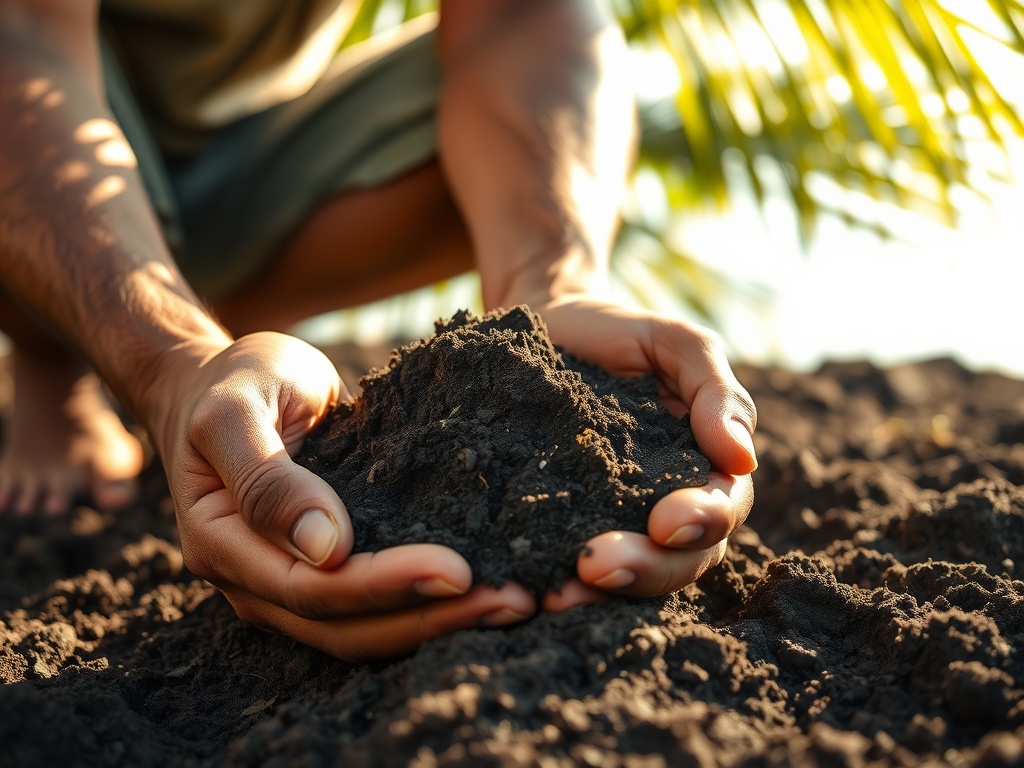
The answers weave a tapestry of belonging. Therapeutic mud baths connecting bodies to earth. Thundi beach where land meets sea in perfect harmony. The adrenaline of tiger shark diving reminding us of nature's power. The distinctive dialect marking your origin. Legendary hospitality making visitors feel like family. The "happiness vibe" permeating the air. Cultural significance of Kattelhi—each thread strengthening Maldivian identity.
This isn't about exclusion. As one comment jokes about being "aboriginals," there's room for playful debate about origins. Belonging isn't about proving anything, but knowing your roots and carrying that knowledge with quiet confidence.
In a nation facing economic pressures and sovereignty questions, these identity discussions gain urgency. What holds a country together isn't just political will or economic stability, but shared understanding of what makes us who we are—in the language we speak, the islands we call home, the communities that welcome us.
The geography of belonging isn't mapped by borders alone, but by connections to culture, language, and each other. There, Maldivians find home.
— Source fragments: Identity declaration without geographical markers; nationalism discussion; Fuvahmulah's cultural significance