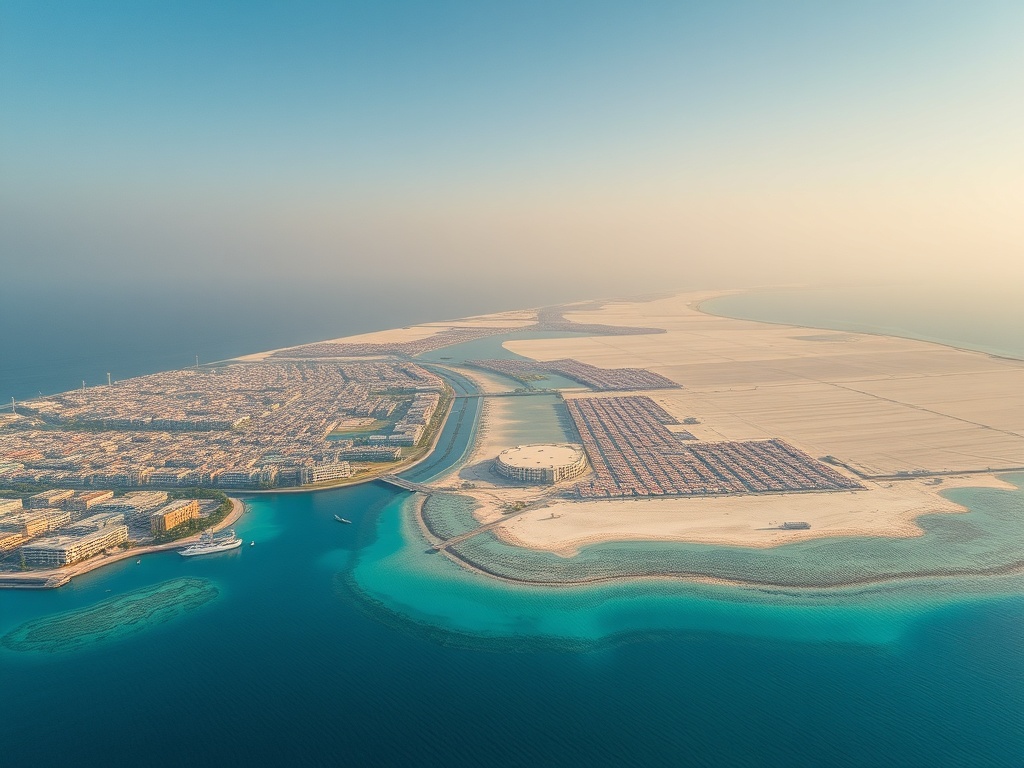
Binveriya's Promise Meets Malé's Crowded Reality
Across the scattered atolls of the Maldives, a quiet revolution of thought is unfolding—one centered on the most fundamental of resources: land. The ongoing discourse around schemes like Binveriya has unearthed not just policy disagreements, but profound questions about belonging, equity, and what it means to build a nation in the 21st century.
At the heart of the matter lies what critics describe as a feudal inheritance system, where land ownership remains tethered to birthplace and bloodline rather than need or contribution. The sentiment echoes through online discussions: "We are stuck with land we are born in. This is feudal system. We can do better than this." This system creates stark disparities—where some inherit multiple plots across generations while others, despite decades of residence and work in Malé, remain landless renters with nothing to fall back on.
The debate reveals a nation caught between tradition and modernity. The concept of land as ancestral wealth clashes with practical realities of mobility and economic opportunity. As one perspective notes, modern life requires flexibility—the ability to accept a job offer in Addu, buy property there temporarily, then move again when circumstances change. Yet the current framework discourages such mobility, binding citizens to their islands of origin through complex inheritance rules and eligibility criteria for housing schemes.
Policy failures compound the problem. Large-scale reclamation projects in recent years have created vast tracts of vacant land, while natural land remains underutilized. The issue of "land hogging" persists because, as observers note, holding unused land costs owners nothing. Wealthy individuals accumulate extensive holdings without incentive to release them back into circulation.
The conversation has shifted toward practical solutions. Many argue that policy could fix these imbalances—through taxation mechanisms that make land hoarding economically unattractive, through clearer eligibility requirements that prevent double-dipping across schemes, and through recognition that not everyone needs or wants land in the same way. The core challenge isn't scarcity—with population growth slowing, there's theoretically enough land for everyone—but distribution.
What emerges is a portrait of a society renegotiating its relationship with territory and opportunity. The land question has become symbolic of broader tensions between inherited privilege and earned success, between island identity and national citizenship. As the discussion continues, it reflects a growing consensus that the system must evolve beyond bloodline-based entitlements toward something more equitable, more mobile, and more reflective of how Maldivians actually live their lives today.
— Source fragments: currently we are stuck with land we are born in, feudal system, population is not growing, land hogging, policy can fix this, inherited land, Binveriya scheme, free goathi policy, land issue more equitable