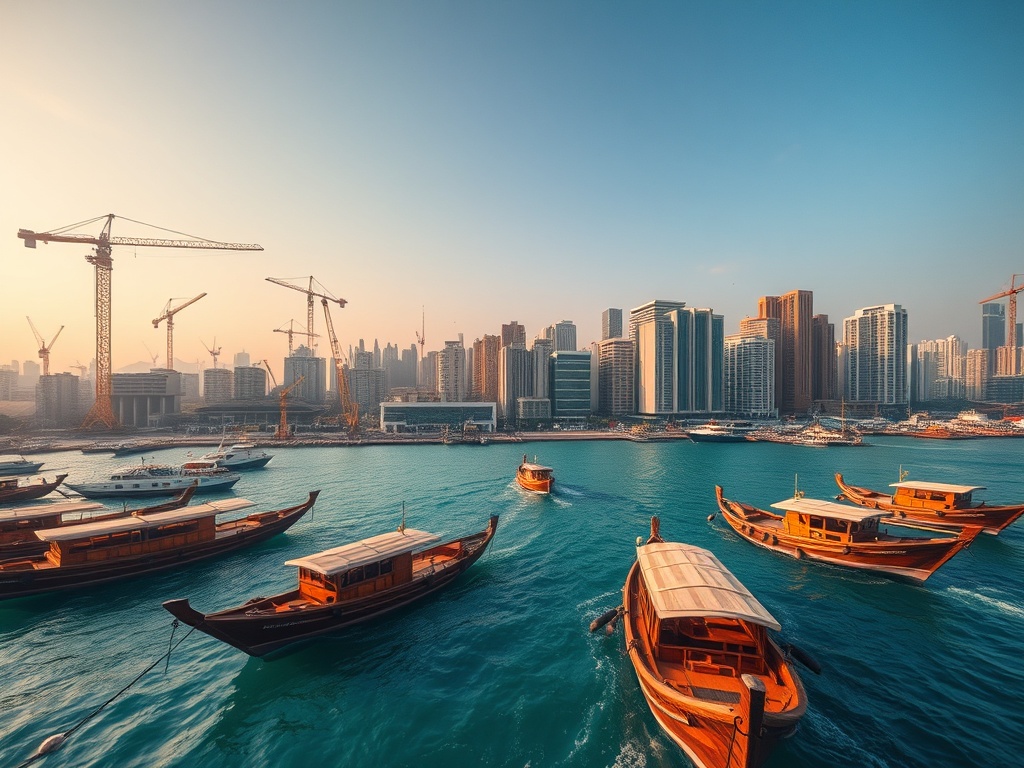
Boduthakurufaanu Magu Closed, But Who's Answering the Phone?
The ongoing redevelopment work near Boduthakurufaanu Magu has sparked broader conversations about infrastructure management in the Maldives. Road closures and construction projects, while necessary for development, often leave residents questioning the coordination between different entities and the clarity of public communication.
This tension reflects a larger pattern across Maldivian infrastructure projects. When the Police Service announces road closures for redevelopment work, it highlights the delicate balance between progress and daily life in our congested urban centers. Similarly, the towing of over 1,200 vehicles from Hulhumale's streets over two months demonstrates the enforcement challenges that accompany rapid urbanization.
The discussion extends to transportation hubs, where comparisons to international standards reveal gaps in responsibility allocation. As some observers note, in global aviation hubs like Singapore's Changi Airport or major Indian airports, airlines typically bear the responsibility of informing passengers about terminal assignments. This contrasts with local expectations that sometimes place this burden on airport operators like MACL.
Meanwhile, significant development continues across the atolls. The 2019 allocation of $200 million from an Indian Line of Credit for road and harbor development in Addu City, followed by last year's MVR 1.5 billion allocation for land reclamation covering 190 hectares, represents substantial investment in southern infrastructure. These projects aim to transform economic opportunities, though questions remain about their sequencing and community impact.
The evolution of development priorities is also evident. What was once envisioned as crucial harbor space for attracting foreign vessels and cruise tourism has now been reconsidered under schemes like Binveriya, reflecting shifting governmental priorities and land use planning.
Current projects span multiple sectors—from the new five-storey building for Gnaviyani Atoll Education Centre to Waste Management Centre developments contracted to WAMCO. This breadth demonstrates the comprehensive nature of Maldives' infrastructure push, though it also raises questions about implementation capacity and maintenance sustainability.
As Maldives continues its development trajectory, the central challenge remains ensuring that infrastructure growth serves public needs effectively while maintaining clear communication channels between authorities, service providers, and citizens. The physical transformation of our islands must be matched by equally robust systems of information and responsibility.
— Source fragments: Road closures near Boduthakurufaanu Magu for redevelopment work; Airport terminal responsibility discussions comparing India and Singapore examples; Addu City development funding allocations; Vehicle towing statistics from Hulhumale; Education centre and waste management project launches; Harbor space evolution discussions