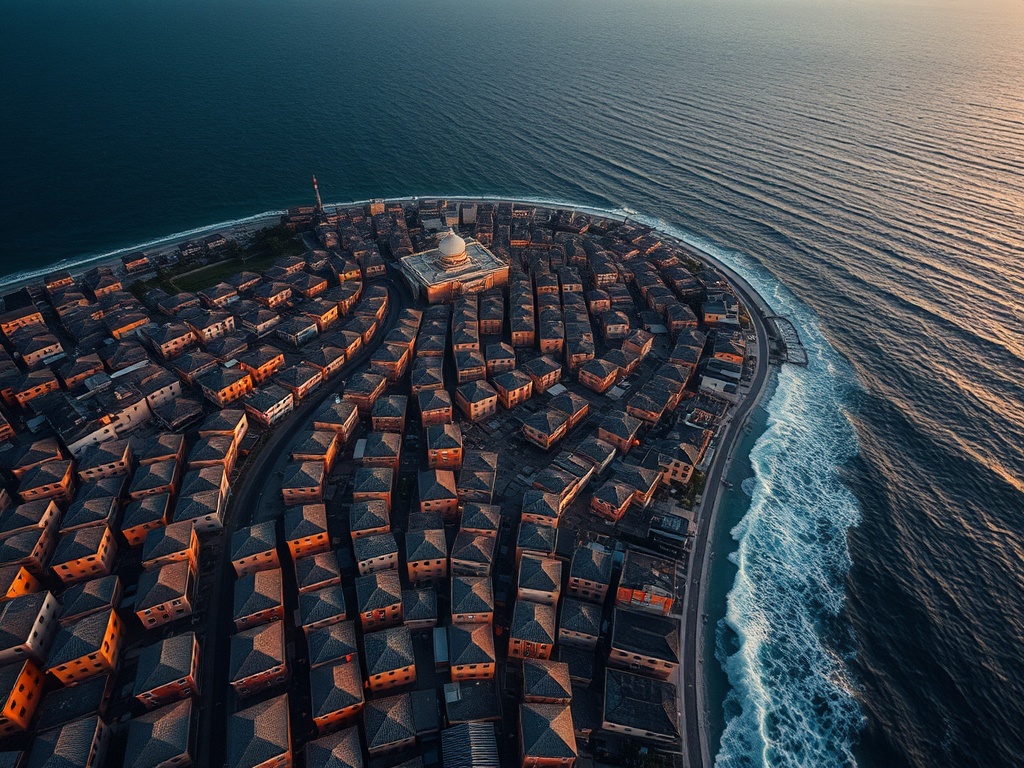
Born in Malé, Condemned to Rent
In the crowded islands of the Maldives, where land is both precious commodity and cultural anchor, a fundamental question echoes through educated circles: why are citizens born in Malé condemned to a lifetime of renting while their counterparts from other islands inherit the right to own land?
This isn't merely a housing debate—it's about the very definition of citizenship and belonging. The current system creates a permanent underclass of urban natives who, despite generations of connection to the capital, remain perpetual tenants in their own homeland. They watch as land distribution policies favor those from outer islands while offering no viable alternatives for Malé residents beyond the rental market.
The irony cuts deep. Many of these same Malé-born citizens are educated professionals driving the nation's economy and administration forward. They pay taxes, contribute to society, and participate in the democratic process, yet they're systematically excluded from one of the most fundamental forms of wealth accumulation and security—property ownership.
What makes this exclusion particularly jarring is the absence of meaningful alternatives. No comprehensive housing solutions have been proposed that would give Malé residents equivalent security. No long-term lease-to-own programs, no creative urban planning initiatives, no recognition that after decades of contributing to the capital's growth, these citizens deserve more than a lifetime of monthly payments to landlords.
The situation reflects broader patterns in Maldivian governance where geographic origin continues to shape opportunity. While the constitution guarantees equal rights, practice reveals a different reality—one where your island of birth can determine your economic destiny.
As the housing crisis in Malé intensifies, with overcrowding and skyrocketing rents becoming the norm, the question grows more urgent. How can a nation progress when a significant portion of its urban population faces permanent housing insecurity? The solution requires moving beyond traditional land distribution models and recognizing that in an increasingly mobile society, the concept of 'home island' needs redefinition.
The conversation now shifting through educated circles isn't just about property—it's about dignity, equality, and building a nation where citizenship isn't stratified by geography. Until this fundamental inequity is addressed, the promise of equal opportunity remains incomplete for those who call Malé home.
— Source fragments: Educated friends & family doesn't give the right to own lands to Male' citizens while no alternative is also being suggested or provided, just down right saying Male' people needed to rent from birth to death just because they were born a Male' citizen