Building Beyond the Political Noise
The afternoon call to prayer echoes across Malé's crowded rooftops, a familiar sound that cuts through the political chatter filling social media feeds. Down below, between the packed buildings and narrow streets, there's talk of something different today—not the usual back-and-forth of political rivals, but something more substantial.
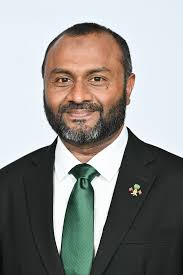
Dr. Mohamed Shaheem Ali Saeed's proposal for waqf buildings represents a rare kind of vision in our island nation. While politicians exchange heated words and labels, here is an Islamic scholar with global recognition trying to plant seeds that might bear fruit for generations. The concept is beautifully simple yet profound: creating sustainable income streams through Islamic endowment properties that would serve community needs long after today's political battles are forgotten.
In a country where economic stability often feels as shifting as our sandbanks, where foreign currency shortages and rising costs squeeze household budgets, the promise of sustainable funding mechanisms feels almost revolutionary. While we watch the same political theater play out season after season—the name-calling, the posturing, the short-term fixes—here is someone thinking in decades rather than election cycles.
The criticism about delivery style is fair; substance deserves dignified presentation. Yet beneath the manner of speaking lies a truth we rarely acknowledge: we're starving for vision. Starving for leaders who look beyond the next opinion poll, who understand that real development means building foundations that will support our children's children.
As the sun sets over the Indian Ocean, painting the white minarets gold, one can't help but wonder what our islands might look like if we invested more energy in building lasting institutions and less in tearing down temporary opponents. The sea around us teaches patience and persistence—lessons our politics has yet to learn.
— Source fragments: Mohamed shaheem ali saeed is trying to create waqf buildings that will generate sustainable income for years to come / Instead we have to watch them call each other