Building Resorts They Cannot Enter
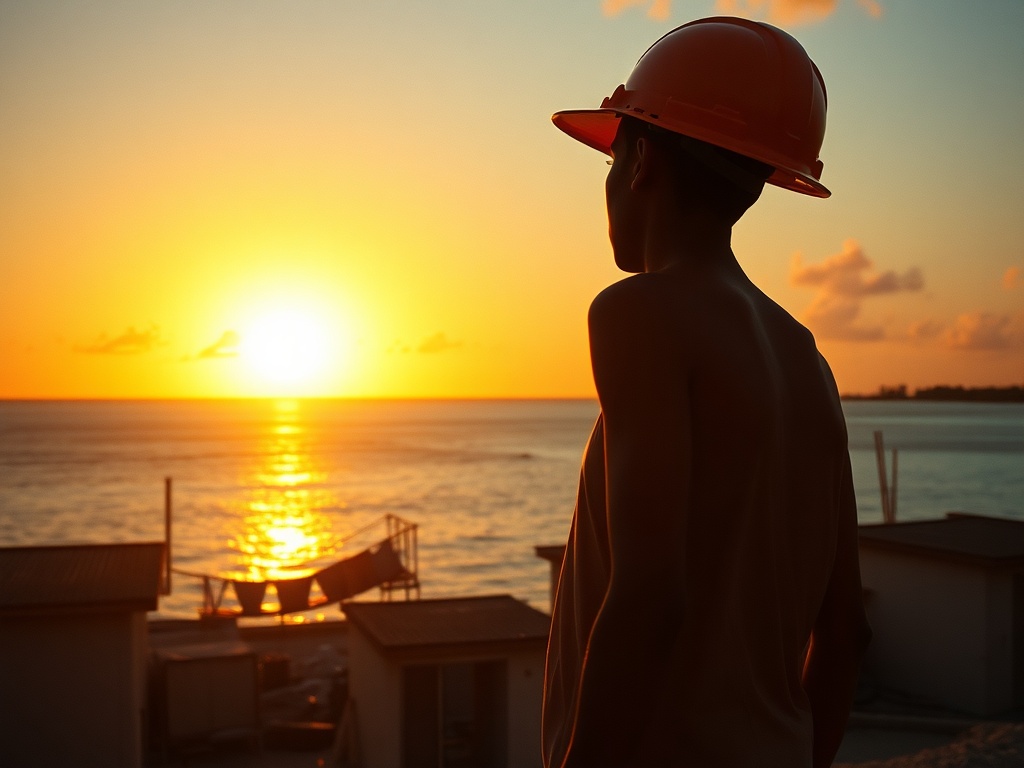
In the construction sites that dot our archipelago, a quiet segregation unfolds. Foreign workers, many from Bangladesh, build the resorts and infrastructure that power our economy, yet are often relegated to separate living quarters—distant from the communities they help build. This physical separation mirrors a deeper social divide, one that raises difficult questions about who belongs and who remains unseen.
The plight of migrant workers who sacrifice everything for opportunity here stands in stark contrast to the reality they encounter. Having sold their few possessions to reach our shores, they find themselves punished for their poverty while the systems that employ them often escape accountability. This dynamic echoes uncomfortably with historical patterns of exploitation, where the most vulnerable bear the heaviest burdens.
Meanwhile, another troubling pattern persists in our society—the normalization of violence against women. When public figures appear to condone such behavior, it signals a dangerous acceptance that undermines our moral fabric. The silence surrounding these issues serves only to protect perpetrators, allowing what should be unacceptable to become routine.
This segregation—both physical and social—feeds existing divisions in a nation already grappling with rising tensions. Creating invisible borders between 'us' and 'them' doesn't build understanding; it deepens resentment. The very separation intended to maintain order may instead foster the conditions for greater conflict.
The conversation extends to how we treat our most vulnerable, including children who find themselves on the wrong side of opportunity. The instinct to punish rather than understand reflects a society quick to judge but slow to empathize. Children from less fortunate circumstances often act out of envy—a fundamentally human response to inequality—yet we respond with calls for incarceration rather than education.
These parallel discussions about migrant workers, violence against women, and juvenile justice share a common thread: they reveal our collective struggle to extend compassion across perceived boundaries. Whether it's the foreign laborer building our country while living apart from it, the woman facing normalized assault, or the child acting out of deprivation—each represents a test of our national character.
The challenge isn't merely to identify these problems but to recognize their interconnection. A society that segregates its workers may more easily ignore violence against women; a community quick to punish children may struggle to see the humanity in foreign laborers. These are not separate issues but different manifestations of the same failure—the failure to see shared humanity across artificial divisions.
As the Maldives continues its rapid development, these questions become increasingly urgent. The buildings rising across our islands represent not just economic progress but moral choices about who we include, who we protect, and what kind of society we're building—one with visible and invisible walls, or one that recognizes our common struggles and shared dignity.
— Source fragments: Foreign worker segregation and exploitation; Normalization of violence against women; Societal divisions and invisible borders; Juvenile punishment versus understanding