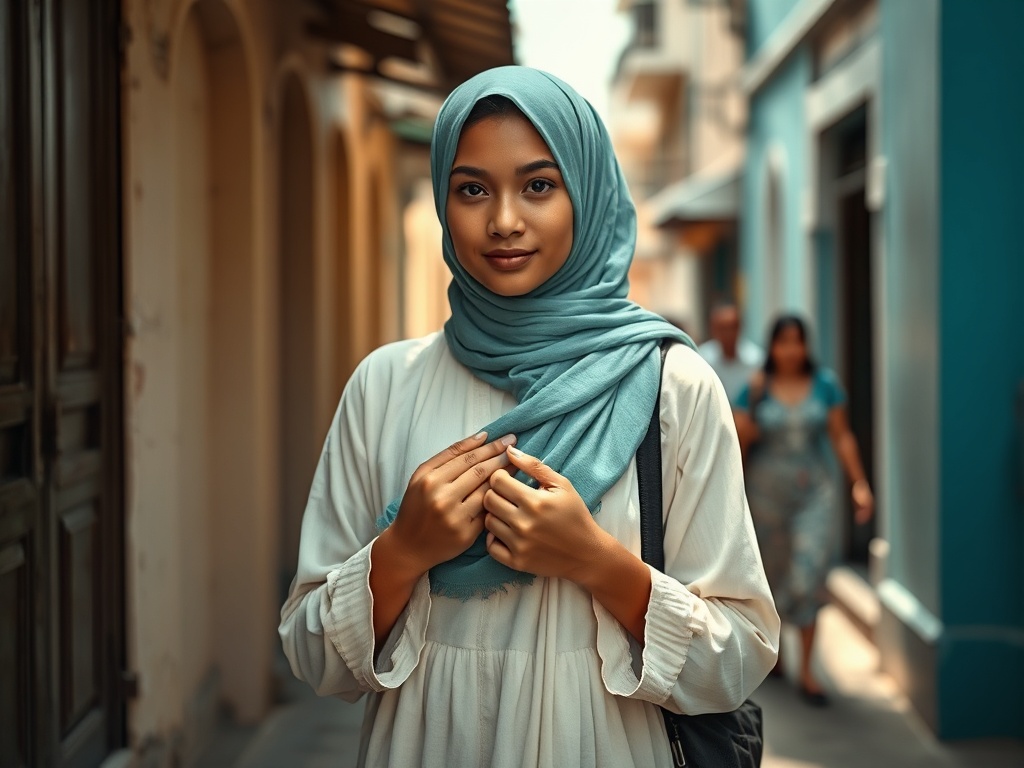
Buruga and Belief: The Maldives' Internal Debate on Choice, Coercion, and Faith
Across the Maldives' digital spaces, a persistent debate sharpens: where does personal choice end and religious obligation begin? The conversation often centers on the buruga (hijab). For many, it is a wajib—an obligatory act of worship as fundamental as prayer. To call this adherence 'extremism,' they argue, misunderstands Islam itself. Faith requires action; intention alone is insufficient.
Yet a counter-argument flows with equal force. It questions the focus. Why does public discourse fixate on women's clothing, sometimes portraying it as a greater ill than drug abuse or violence? This view holds that genuine piety cannot be coerced. Free will is essential. Devotion must spring from a sincere heart to hold spiritual weight.
Beneath this exchange lies a painful social critique. Some voices highlight a grim paradox: societies intensely policing public morality can harbor profound private violations. The assertion that girls are often most vulnerable at home, and conditioned to bear blame for abuses against them, casts a long shadow over discussions of protection and piety. It reveals a chasm between public ideals and private realities.
This is not an abstract theological debate. It unfolds in Maldivian streets, schools, and homes. The outcome will shape more than dress codes; it will define whether Maldivian society embraces a uniformity of practice or makes room for diverse personal journeys within Islam. The nation's character hangs in the balance, woven between the threads of command and choice.
— Source fragments: Debate on whether hijab/buruga is a mandatory religious command or a matter of personal free will; the relationship between intention and action in faith; criticism of societal obsession with women's attire over other issues; commentary on abuse and victim-blaming within closed societal structures.