Caring for Elderly Parents Is a Noble Mercy, Not a Burden, Column Argues
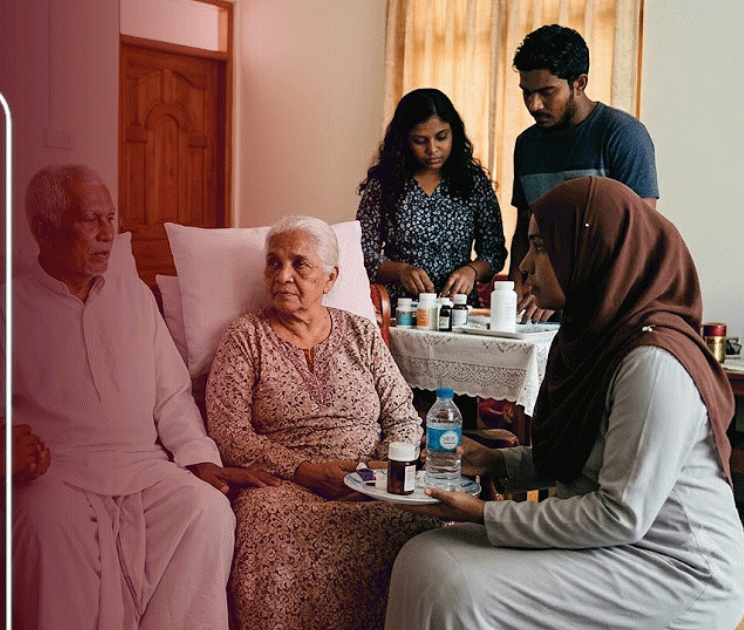
Caring for aging parents should not be treated as a burden to be divided among siblings, but as a mercy and a noble responsibility that strengthens family ties, according to a column published by SunOnline on Thursday.
Writing under the headline "Caring for Parents Is Not a Burden: It Is a Noble Trial of Blood Ties and Patience," columnist Mariyam Shaheeda described the sight of parents who once held their children's hands and taught them to walk gradually growing weak under the shadow of old age as an emotional truth that would make every human heart tremble.
She wrote that worldly life moves on quickly: while children are young and chasing success, the lives of the parents who showed them the world are slowly setting. At that stage, she said, parents do not ask for wealth but for the attention, smiles and unity of the children they raised with hard work and immense love.
Looking at Maldivian society, the column described family solidarity as the greatest cherished tradition inherited from the time of the country's ancestors, with everyone cooking and eating together in one house and respect and love extending from small children toward the elderly. But it noted that changes over time have brought great challenges to patterns of life. Amid the burden of work and economic hardship, families separate and each person is forced to take responsibility for their own matters and those of their dependents, she wrote, adding that this is not only the condition of the Maldives, as family ties are breaking worldwide under modern life and elderly parents becoming lonely is one of the harshest truths humanity endures today.
The article said that when the heavy responsibility of parents' medical treatment, food and care must be carried, differences of opinion often arise among children of the same parents, with questions such as who should care for the mother and how the father's medical expenses will be paid. Rivalry and unease among brothers and sisters who once ate from one plate is a scene that would most make parents' hearts cry, she wrote, describing sorrowful parents sinking into grief and wondering whether their being alive has become a burden to their children.
She argued that caring for parents is not a burden to be divided, but a priceless mercy from Allah for success in this world and the hereafter, and that consultation and unity must be given the greatest priority. Instead of criticizing one another and pointing fingers, all members should gather around one table and speak with kindness, the column said. While one child may be able to help with money and another with time, what matters is sincerity of heart, recognizing one another's condition, fully respecting decisions made and prioritizing forbearance.
The column acknowledged that anxiety and anger are part of human nature and that harsh words and heartbreak can occur among siblings amid the tiredness of caring for parents in a sick bed. Even in such delicate moments, it said, one must forgive patiently and prioritize the noble quality of one person forgiving another, describing blood ties as something that cannot be exchanged for any worldly price and forgiveness as the perfect remedy that reconnects torn family ties and brings peace to hearts.
It described the prayers of parents as a precious light that illuminates the lives of children, and warned that every teardrop falling from their eyes carries the danger that the blessings of one's own life may be lost. Cooperating in the service of aging parents and joining hands toward a common goal is what strengthens love among children so that it never disappears, she wrote.
The column concluded that parents may depart tomorrow, and that the only consolation left will be the sweet memories of having been a helping hand while they were in this world and of having brought contentment and happiness to their hearts.