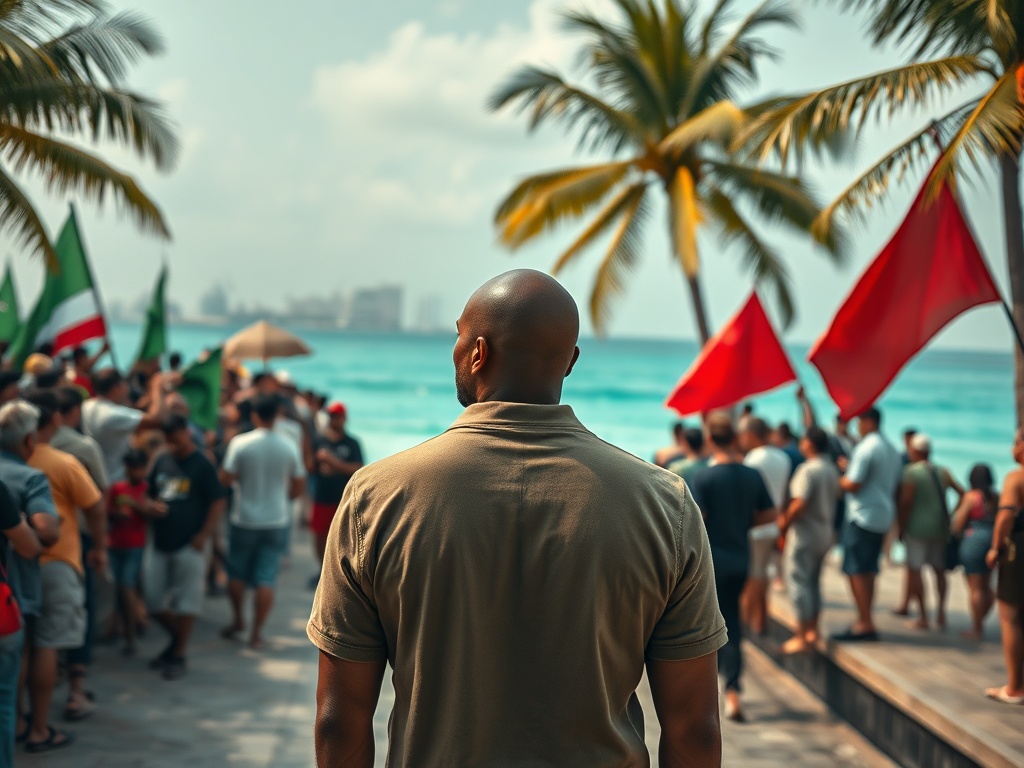
Caught Between Rally Crowds, a Maldivian Gazes at the Sea
In the heated arena of Maldivian politics, where party lines often dictate public discourse, a quieter conversation is unfolding about the very nature of political identity. The emergence of voices questioning traditional labels—centrist, socialist, or otherwise—points to a deeper reckoning with what these terms mean in the Maldivian context.
The debate often centers on policy substance versus political branding. When individuals advocate for land redistribution, universal basic income, or employment guarantees, they find themselves navigating a landscape where such positions might automatically earn them ideological labels they never claimed. This tension between policy preferences and political identity reveals a system where substantive discussion often gets lost in partisan categorization.
Political observers note that the online discourse, while vocal, doesn't always reflect the complex realities of voter sentiment offline. The ruling party and opposition alike must contend with this disconnect as they formulate strategies. The challenge becomes particularly acute when policies that might benefit island communities—such as demands for more equitable representation between Male' and the atolls—get caught in the crossfire of party politics.
The conversation extends to accountability, with participants emphasizing the importance of condemning wrongdoing regardless of party affiliation. This stance represents a departure from the tribal loyalty that often characterizes political support, suggesting a growing appetite for principle over partisanship.
As one analyst observed, certain issues will always divide the nation, requiring acceptance of this reality and a search for solutions beyond political campaigns. The emergence of these nuanced positions—neither fully aligned with established parties nor comfortably fitting traditional ideological boxes—suggests a political evolution in progress. It's a space where policy preferences on economic justice, representation, and accountability are being debated on their own merits, rather than through the lens of party allegiance.
This ideological soul-searching reflects broader questions about the future of Maldivian democracy: Can the system accommodate voices that defy easy categorization? Will substantive policy discussions prevail over personality-driven politics? The answers may determine whether the political landscape can evolve to address the nation's pressing challenges.
— Source fragments: Political identity questioning, policy positions vs labels, online/offline political reality gap, demands for MP accountability, condemnation of wrongdoing across parties