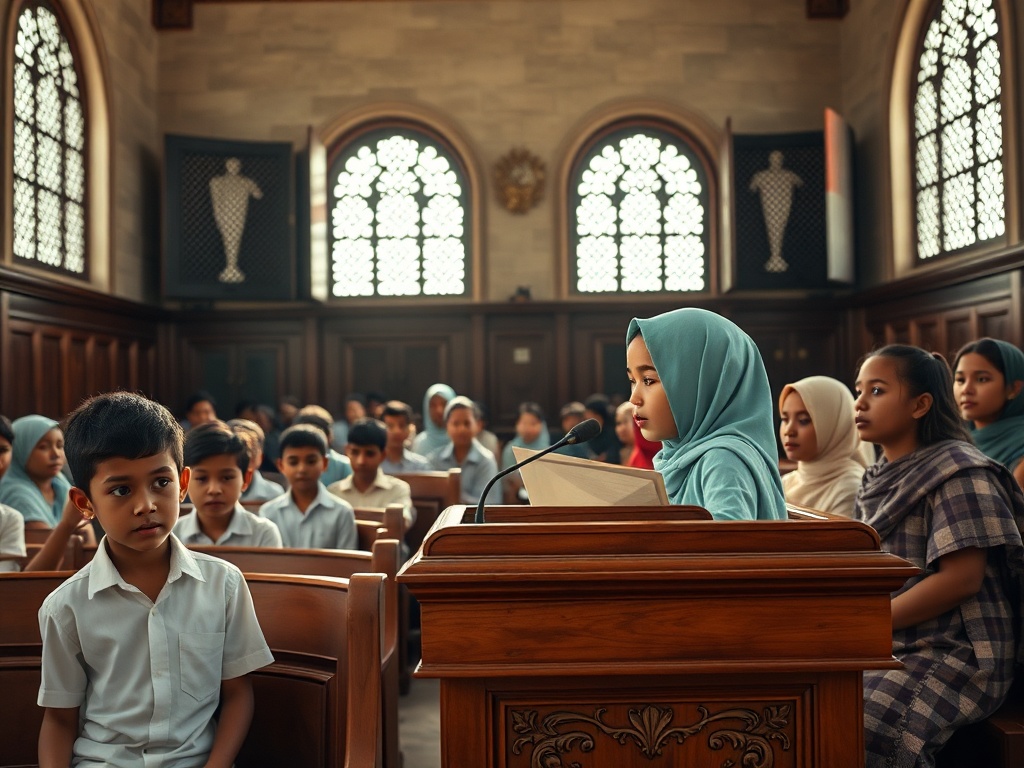
Children Speak in the Parliament They Cannot Yet Vote For
On World Children's Day, the halls of the Oliy Majlis echoed with voices rarely heard in such chambers—those of over 120 children from across the Maldives. Under the theme "Our Rights, Our Voice," these young citizens spoke with a confidence that belied their years, presenting meaningful initiatives and articulating what truly matters to them. This gathering represented more than a ceremonial event; it signaled a growing recognition that the perspectives of the young deserve space in national conversations.
This emerging youth engagement stands in stark contrast to the experiences of young political activists like Yasir Latheef, who faced imprisonment for organizing protests and exercising his right to dissent. Latheep represents a different kind of youth participation—one forged in the heat of political struggle rather than the structured environment of parliamentary visits. His story as a key organizer of the first major MDP mass gathering in recent history demonstrates the passion and commitment many young Maldivians bring to political causes, even when facing significant personal risk.
The tension between these two expressions of youth involvement—the institutional and the activist—reflects broader questions about political participation in the Maldives. When children can speak openly in parliament but young activists face consequences for their political engagement, it raises important questions about which forms of participation are truly valued.
This generational dynamic intersects with critical policy discussions about representation and advocacy. The principle that affected groups should have a voice in policies that concern them—whether through formal consultation processes or public advocacy—remains central to democratic governance. The call for Right to Information mechanisms reflects this broader demand for transparency and inclusion in decision-making processes.
As the Maldives navigates complex challenges from economic pressures to governance reforms, the energy and perspective of younger generations offer both challenge and opportunity. Their willingness to speak openly, organize collectively, and demand accountability suggests a political awakening that could reshape the country's future. Whether channeled through formal institutions or public protest, these voices are increasingly impossible to ignore—and increasingly essential to addressing the nation's most pressing issues.
— Source fragments: Children speaking openly about what matters to them at Oliy Majlis; Yasir Latheef as young activist jailed for protesting; importance of affected groups having voice in policy decisions