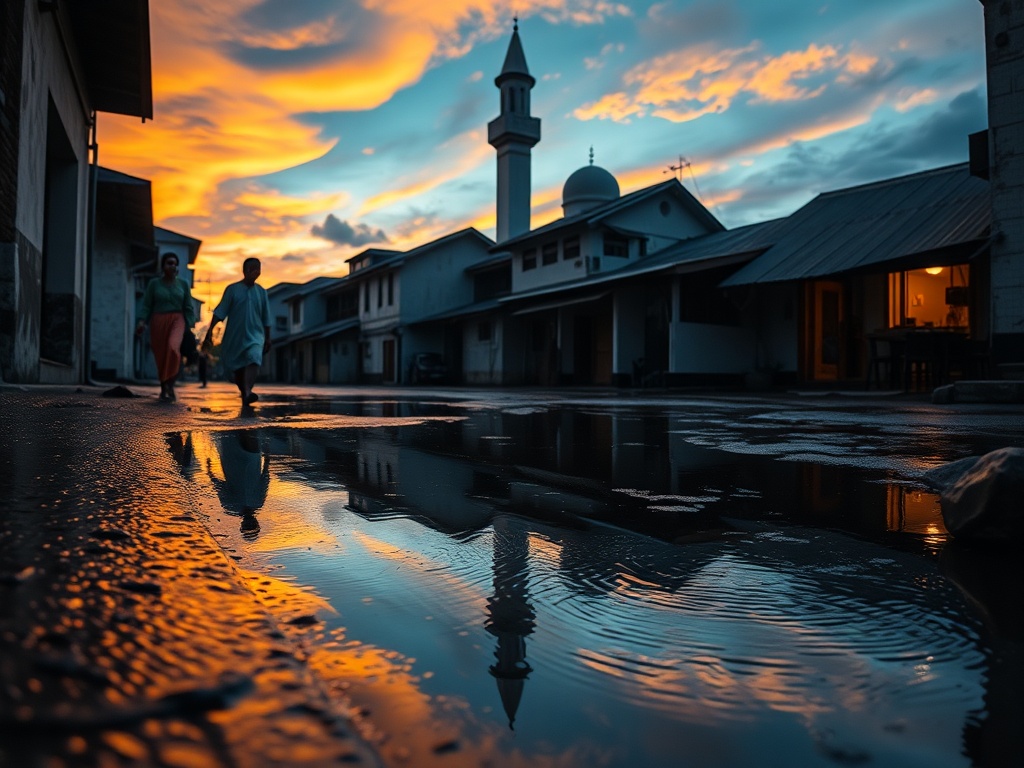
Citizenship Requires Islam, Yet Hypocrisy Divides the Maldives
The Maldives, a nation where citizenship is constitutionally reserved for Muslims, projects a unified religious identity to the world. Beneath this monolith, however, a profound internal fracture over the meaning and practice of that identity is widening. This is not a simple conflict between belief and secularism, but a multifaceted struggle over authenticity, power, and interpretation.
The tension manifests in a stark disconnect between professed values and governance. A ruling class champions religious identity while allegedly engaging in corruption, nepotism, and economic practices that concentrate wealth—a direct contradiction to Islamic principles of justice and equity. Political campaigns leverage religious solidarity, even as the nation's closest economic partnerships and development models are drawn from non-Muslim states, creating a palpable sense of performative, politically expedient faith.
Simultaneously, society is riven by fierce internal policing of religious orthodoxy. Citizens accuse one another over the 'correct' practice of dress, ritual, and historical interpretation. A nation of converts judges the lineage of ancient Islamic kingdoms, while parts of its populace argue that the core principle of monotheism is compromised by political quietism in the face of global injustice. This creates a paradox: a society bound by faith yet perpetually questioning the faith of its neighbors and leaders.
This spiritual dissonance echoes through deepening socio-economic cracks. A youth demographic grapples with drug abuse and unemployment, searching for meaning in a system offering scant opportunity. Families endure a severe housing crisis in Malé, amid persistent allegations of politicized allocation and profiteering from state-subsidized homes. The healthcare system falters and national debt climbs under a government that proclaims a divine mandate. The gap between ideal and reality fuels deep cynicism.
Religious discourse has become a proxy battlefield for every societal grievance. Economic discontent, political rivalry, and social frustration are expressed through the language of theological betrayal. To question governance is to question commitment to faith; to demand secular rights is seen as an attack on the nation's foundation. The conversation has shifted from how to build a just society informed by Islamic principles to a contest over who claims the mantle of the 'true' believer, while the tangible foundations of accountability, economic justice, and universal dignity are left to crumble. The nation's soul is not threatened by external forces, but is being torn apart from within by competing visions of its own identity.
— Source fragments: Accusations of smearing Islamic principles; criticism of using religious causes for political power; internal debates over orthodoxy and practice (hijab, sacrifice); highlighting the constitutional clause requiring Muslims for citizenship; contrasting Islamic ideals with governance issues (corruption, nepotism, debt); societal problems (youth, housing, healthcare) existing alongside religious discourse.