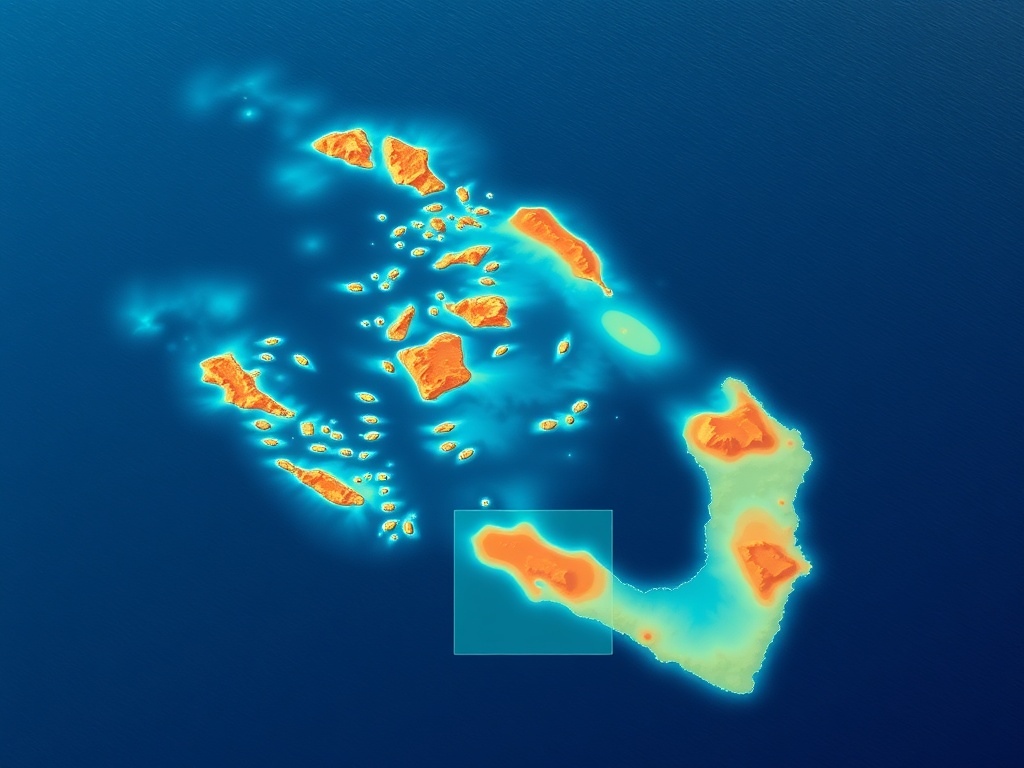
Civil Court Reinstates Party as Democracy's Map Redraws
The reinstatement of the Maldives Labour and Social Democratic Party by the Civil Court marks another moment of recalibration in the nation's political landscape. Yet beyond the legal wrangling, a more fundamental conversation continues — one about the very architecture of Maldivian democracy.
Across social media and coffee shops, a persistent question resurfaces: should voting be tied to permanent address or current residence? The current system, where electoral constituency is determined by ancestral island registration, increasingly feels out of step with a mobile population. As one observer notes, "Whether we like it or not, Majilis would actually be reflecting the reality of the country" if representation followed where people actually live.
The practical challenges are substantial. How would wards handle population flux between districts like Henveiru and Galolhu? What supporting infrastructure would be needed? Some suggest a residency requirement of "at least two terms of government" to have voting rights in a constituency, arguing that meaningful connection to a community takes time to develop.
This debate inevitably leads to questions of geographic representation. Current atoll divisions might need reimagining — Vaavu Atoll, for instance, might be too small to remain independent under a residence-based system. Some propose reducing administrative divisions to 14, updating the historical 13 atolls, which could also streamline parliamentary seats.
The conversation expands to governance structure itself. The current unicameral parliament gives "unchecked powers to the MPs," as critics argue. Some voices advocate for a bicameral system with representation for each atoll in an upper house, creating necessary checks and balances. Others suggest handing power "to a mixture of honest, peace loving politicians and highly qualified technocrats" — a hybrid of democratic and consultative governance.
Meanwhile, the rapid urbanization of the Greater Malé region introduces additional complexity. Hulhumalé's growth necessitates reconsidering its status, with some arguing Phase 2 should be separate altogether. These discussions reveal how physical space and political representation are deeply intertwined in an island nation experiencing rapid change.
What's notably absent from these conversations is the mechanism for MP recall — a tool that could increase accountability but remains undefined in public discourse. This gap highlights how electoral reform discussions often focus on entry mechanisms while neglecting exit protocols.
Democracy, as one commentator notes, "is a lengthy process" designed to prevent easy manipulation of rules and power. The current debates — spanning residency requirements, constituency boundaries, and governance structure — represent a maturing political consciousness. They signal a population thinking critically about how to build institutions that reflect both Maldivian traditions and contemporary realities.
As the Elections Commission corrects procedural issues and courts review party dissolutions, these parallel conversations about systemic reform continue. They represent not just technical adjustments but a deeper reimagining of what representative democracy means in the Maldivian context — one neighborhood, one island, one vote at a time.
— Source fragments: Hire this guy to criticize your manifesto and fix its loopholes; The Elections Commission of Maldives (ECM) has reinstated the Maldives Labour and Social Democratic Party (MLSDP); Whether we like it or not, Majilis would actually be reflecting the reality of the country; If anyone obtaining a residence, there are procedures to apply; should get lost from politics. Power be handed over to a mixture of honest, peace loving politicians and highly qualified technocrats; Democracy is a lenthy process; In countries like U.S, U.K, and most European countries, your electoral constituency is based on your current residential address; I can agree with you on that level, voting based on the island of residence; How many years entitles you for a vote?; someone would have had to live in a given constituency for at least two terms of government; I'm not sure whether wards, their names or boundaries have been radically changed; What has happened to the public discourse regarding an MP recall vote?; would the maps be redrawn w the abolishment of permanent address?; Abolishing permanent residency voting requires some shifts in atoll divisions; a bicameral parliament with representation for each atoll in the upper house; Hulhumale should be a separate town/island