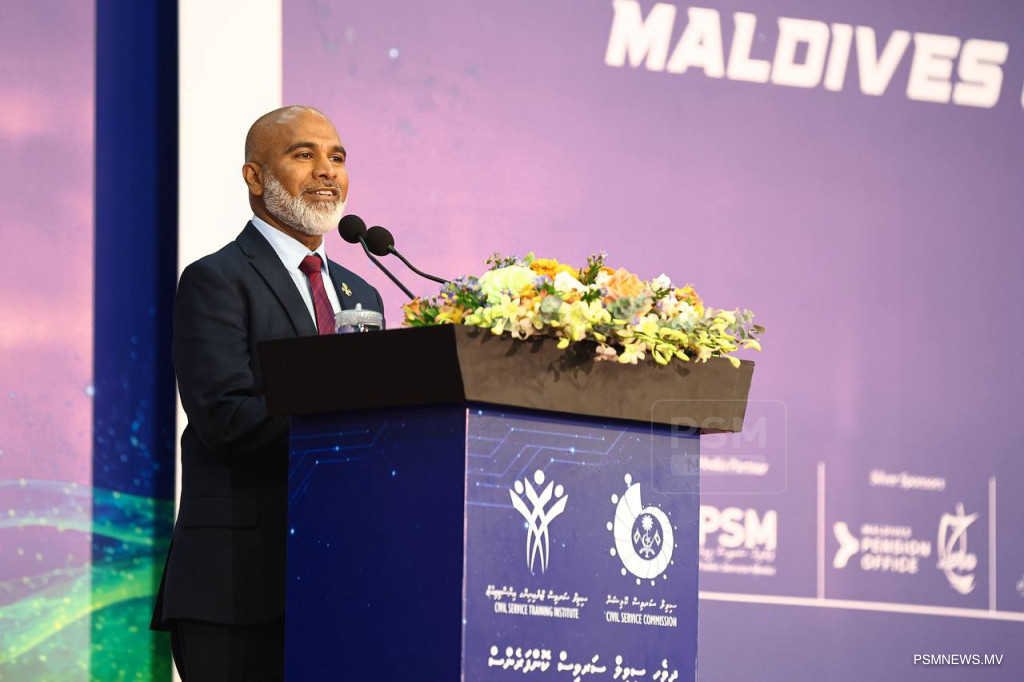
Civil Servants Hold Key to Eradicating Corruption, Says Education Minister
Civil service employees bear the primary responsibility for eliminating corruption within the government, according to the Minister of Education, Higher Education and Skills Development, Dr. Ismail Shafeeu. Speaking at the opening of the Civil Service Conference, the Minister emphasized that as the primary providers of government services, the conduct of these employees directly impacts the nation's integrity.
With approximately 35,000 individuals employed in the civil service, Dr. Shafeeu noted that the workforce represents one employee for every 15 citizens. He highlighted that this vast network consumes a substantial portion of the state budget, warning that delayed administrative actions and inefficiency erode public trust in state institutions.
Minister Shafeeu argued that averting graft is essential to preventing systemic financial malpractice. He called for a culture of professionalism, stating that the cooperation of civil servants is the most critical factor in safeguarding the Maldives against the "malicious scourge of corruption." He asserted that eradicating administrative corruption would transform government offices into faithful stewards of public funds, ensuring that taxpayer money is used to deliver satisfying and appropriate services to the population.
This push for transparency aligns with President Dr. Mohamed Muizzu’s ‘Maldives 2.0’ initiative, which seeks to establish a system that prioritizes the needs of the public over bureaucratic interests. Dr. Shafeeu urged all civil servants to resolve to place citizens first in every interaction and decision.
Mohamed Mujuthaz, President of the Civil Service Commission, echoed these sentiments, noting that ‘Maldives 2.0’ is already altering the landscape of public service. He highlighted recent tangible improvements for workers, mentioning that employees who had not seen a wage increase since 2009 finally received a raise last November.
The conference, the fifth biennial event held since 2014, brought together roughly 300 representatives from local councils, schools, and hospitals. The gathering focused on professional development and systemic reform, featuring the examination of 18 research papers covering eight key operational fields.