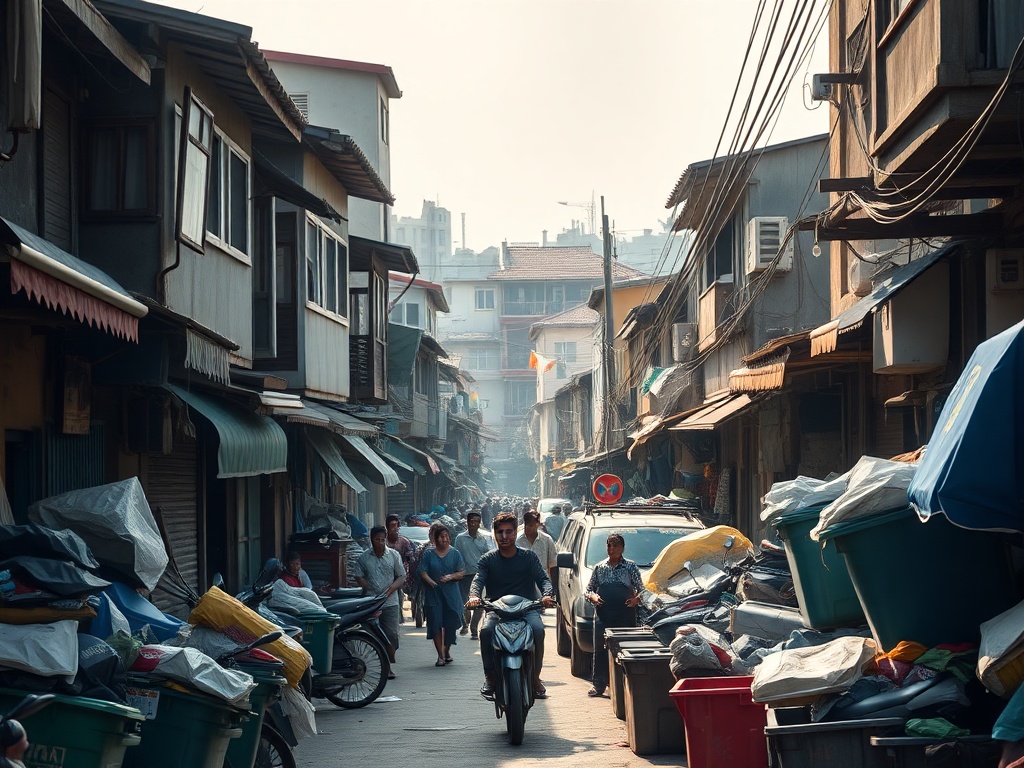
Concentration of people in Greater Malé region leads to significant issues
In the heart of the Maldives, the Greater Malé region stands as both a beacon of opportunity and a testament to urban strain. Voices across the islands echo a common reality: the concentration of people here isn't just about numbers—it's about the daily squeeze on life. Housing shortages push rents beyond reach for many, while congestion turns simple commutes into hours-long trials. The infrastructure, from water pipes to waste systems, groans under the weight of unprecedented demand, leaving residents to navigate the gaps.
This clustering effect isn't accidental. Economic opportunities, healthcare, and education draw Maldivians to the capital area, but the payoff comes with hidden costs. Families cram into smaller spaces, and public services stretch thin, mirroring a broader pattern in small island nations where urbanization outpaces planning. The strain on resources like fresh water and waste management isn't just an inconvenience; it threatens the very livability that defines these atolls, forcing a rethink of how growth and sustainability can coexist.
Amid these challenges, a quiet resilience emerges. Communities adapt, sharing insights on coping with limited space and rising costs, yet the underlying question lingers: can this model hold? Without thoughtful intervention, the issues of housing, congestion, and resource strain risk deepening divides, urging a collective push for balanced development that honors both progress and the Maldivian way of life.