Corporate donations can transform our parks
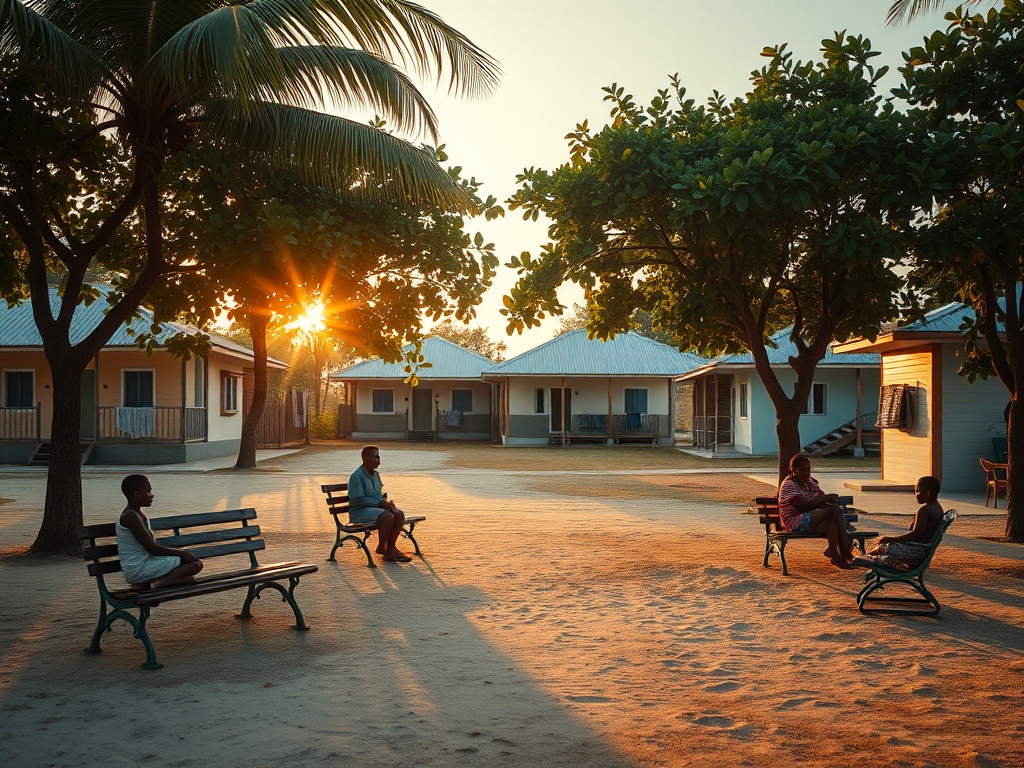
Walking through a neighborhood park in Malé, you notice the difference immediately. Where there are sturdy benches under the shade of breadfruit trees, families gather in the evenings. Children laugh on swings while parents chat nearby. These simple amenities—often taken for granted—transform empty spaces into vibrant community hubs. Yet many of our public areas remain bare, with few places to sit, play, or simply be together.
Some resorts have already shown what's possible. They've donated playground equipment to nearby island schools, installed benches in local parks, and provided shading structures where communities can gather. These contributions don't require massive investment—just thoughtful consideration of what people actually need in their daily lives. A simple bench becomes a place where elders share stories, where friends meet after work, where children do homework while waiting for their parents.
Across our scattered islands, public spaces serve as the living rooms of our communities. They're where relationships are built, where news is shared, where the social fabric of our neighborhoods is woven tighter with each conversation. When these spaces lack basic amenities, we lose opportunities for connection. People retreat indoors, community interaction diminishes, and the vibrant street life that characterizes Maldivian culture begins to fade.
The beauty of corporate social responsibility in this context is its simplicity. Companies don't need to undertake massive infrastructure projects to make a meaningful difference. Donating park furniture, playground equipment, or shading structures creates immediate, tangible benefits that everyone can enjoy. These contributions demonstrate that businesses see themselves as part of our communities, not just economic entities operating within them.
In a nation where youth unemployment remains high and public resources are stretched thin, these corporate partnerships can fill important gaps. They represent practical solutions that improve daily life without requiring government intervention or complex bureaucratic processes. The resorts that have already embraced this approach show how straightforward it can be—identifying a need in a neighboring community and responding with appropriate, useful donations.
As more companies recognize the value of investing in public spaces, we could see a transformation across our islands. Parks could become destinations rather than empty lots. Playgrounds could buzz with activity after school. Seafronts could feature comfortable seating where people watch the sunset together. These small improvements collectively create a more livable, connected society where public spaces truly serve the public.
This isn't about charity—it's about shared responsibility for the quality of life in our communities. When businesses contribute to public amenities, they're investing in the social infrastructure that supports everyone's wellbeing. They're helping create the kinds of spaces where memories are made, where community ties are strengthened, and where the simple joy of being together flourishes.