Corporate Lessons in Crab Country: How Boardroom Strategy Meets Maldivian Reality
In a corporate boardroom, I once managed fifty people in a fiercely competitive environment. Securing a perfect Net Revenue Score taught me more about human nature and organizational dynamics than any business school could.
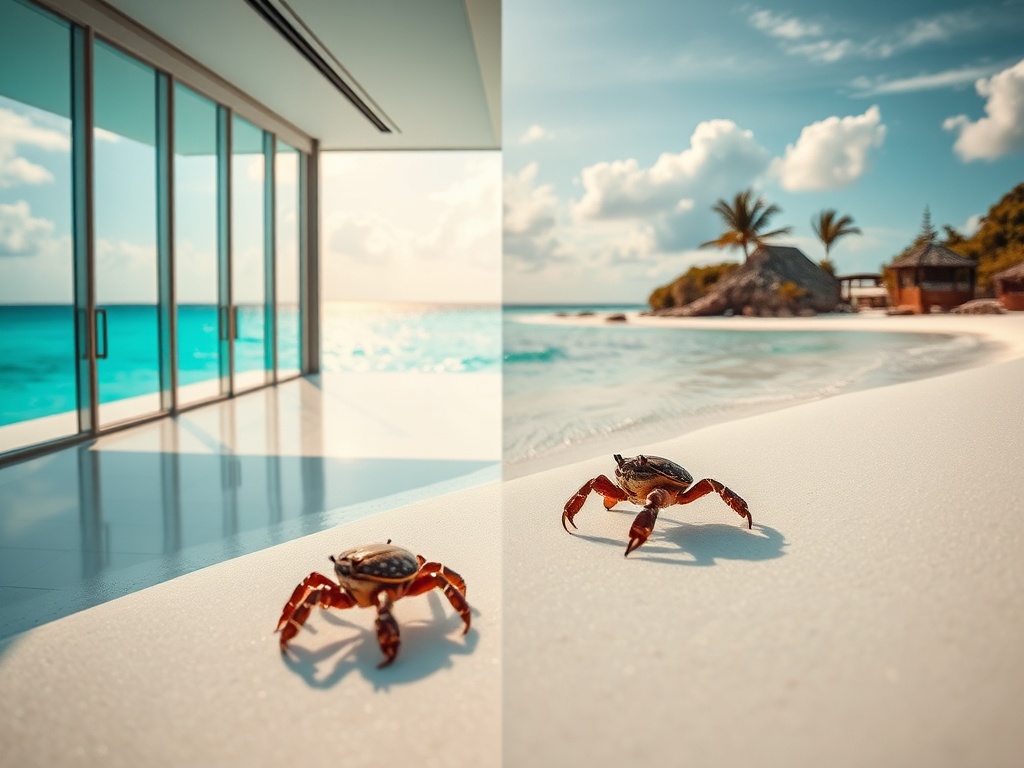
Today, that same analytical mind contemplates the humble mud crabs scuttling along our shores. Smaller than international varieties but remarkably flavorful, they present a different challenge—not market share, but sustainability. Tasting ridhanli soup sparked both delight and concern: is there enough supply for demand? Could this become an industry without depleting resources?
This shift from corporate strategy to culinary concern isn't as jarring as it seems. Both require understanding systems, recognizing limitations, and building something lasting. The management principles that served in that competitive office—clear communication, measured risk-taking, stakeholder awareness—translate surprisingly well to local economic development.
The parallel extends to daily bureaucratic hurdles. Replacing an eSIM card, with its government identification and procedural mazes, echoes the structural challenges facing broader Maldivian development. Whether in technology or marine resources, we balance potential with practical constraints.
Leadership and problem-solving transcend contexts. Skills from corporate settings have value for community challenges, just as local wisdom about sustainable harvesting could inform business practices. In a nation grappling with economic diversification, these cross-pollinations might hold unexpected keys to progress.
The most hopeful insight: complex systems—corporate teams or marine ecosystems—respond to thoughtful stewardship. The same attention that built successful business units could cultivate sustainable industries from our natural resources, creating opportunities that benefit communities without compromising our environment.
— Source fragments: Corporate management experience with 50 reports, mud crab observation and sustainability question, eSIM bureaucratic process