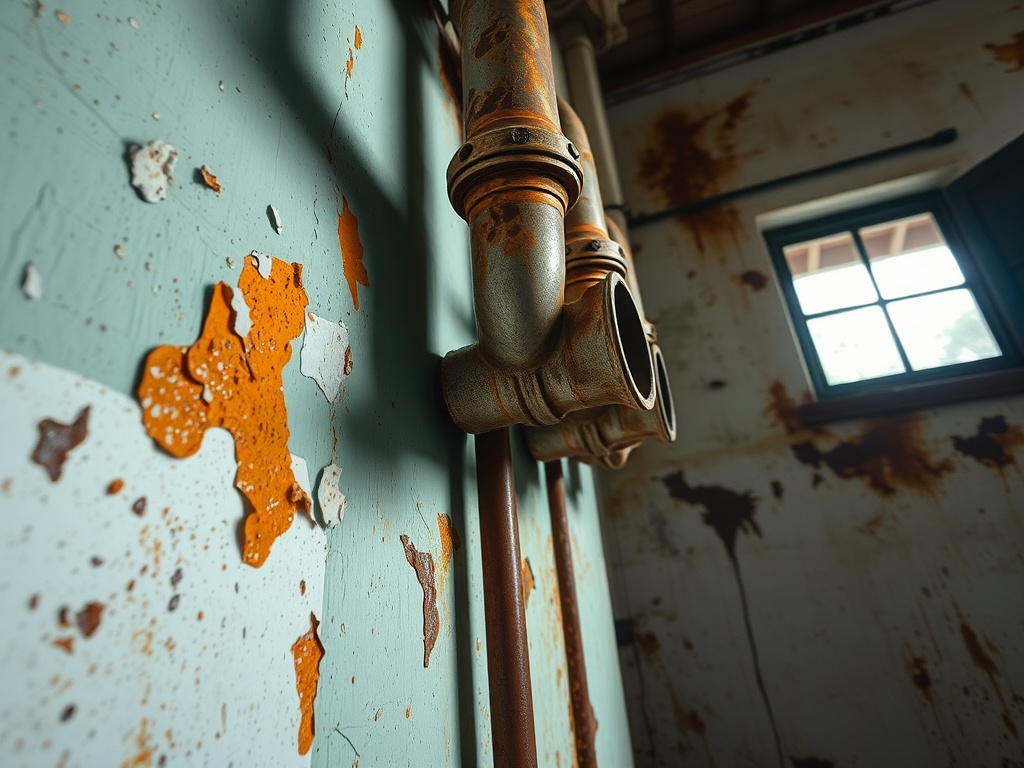
Corroded Pipes in City Hall and the Politics of Neglect
The corroded pipes snaking through City Hall tell a story beyond rust and decay. They speak of a systemic neglect that permeates public infrastructure, where maintenance becomes a political calculation rather than a civic responsibility. When basic upkeep is deferred, the consequences ripple outward, affecting everything from municipal buildings to international airports.
At Gan International Airport, the recent arrival of an A330 aircraft highlighted this precarious balancing act. The airport lacked a functioning Ground Power Unit, meaning if the aircraft couldn't start itself, it would have been stranded—a massive operational risk taken for what critics call political theater. This isn't about lacking equipment; the facilities exist. The problem lies in operational decisions driven by heavy fees and financial constraints that prioritize short-term gains over long-term reliability.
The pattern repeats across the islands: $130-300 million in deferred maintenance creates a landscape of dysfunction where public assets deteriorate while accountability evaporates. Mayors, city managers, and council members face public outrage as infrastructure crumbles, yet the cycle continues. The corrosion in City Hall's pipes mirrors the erosion of public trust.
This infrastructure gamble reflects broader governance challenges. When maintenance becomes discretionary rather than mandatory, when political considerations override technical necessities, the very foundations of public service weaken. The debate has shifted from simple budget allocations to fundamental questions about stewardship and responsibility.
Critics argue that deferred maintenance represents a hidden debt—one that future generations will pay through emergency repairs, service disruptions, and compromised safety. The discussion now centers on whether current leadership recognizes that maintaining what we have is as crucial as building new projects. In a nation where international tourism drives the economy, reliable infrastructure isn't just convenient—it's essential for national credibility and economic stability.
The solution requires moving beyond political cycles to embrace consistent, professional asset management. It demands treating public infrastructure as the national inheritance it is, rather than as bargaining chips in political games. Until then, the corroded pipes will continue to tell their cautionary tale.
— Source fragments: Corroded pipes and deferred maintenance at City Hall; A330 aircraft risk at Gan airport due to missing GPU; Discussion of international airport equipment and operational constraints