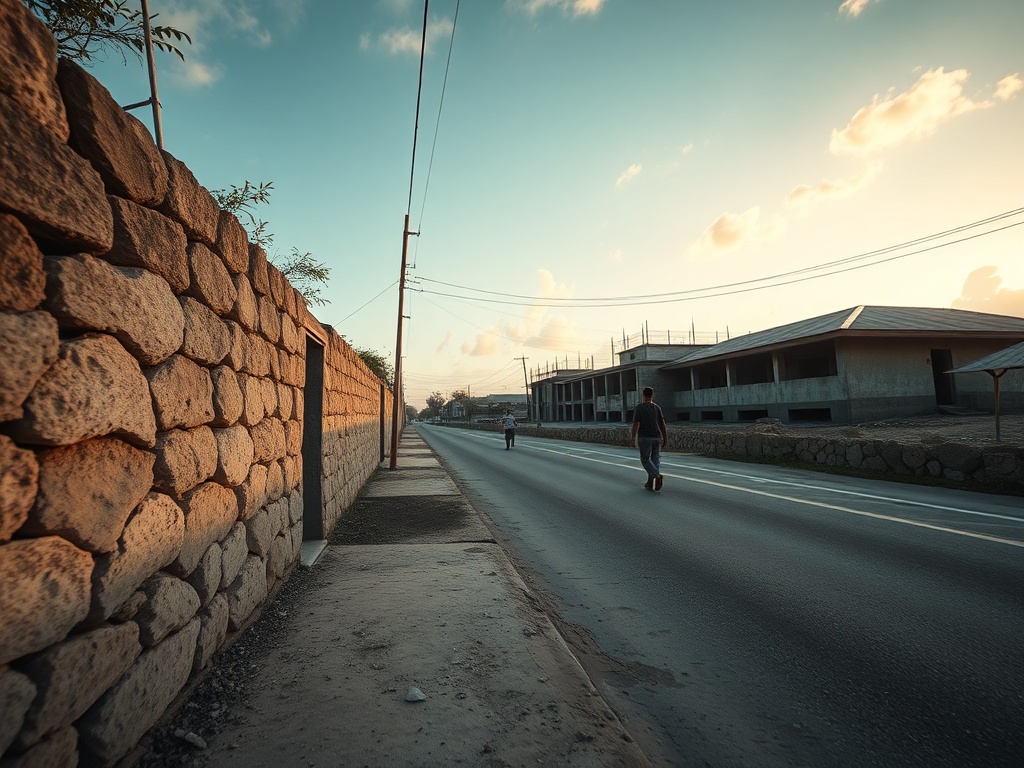
Corruption allegations overshadow Addu development
In the quiet lanes of Addu, a different conversation is taking place, one that moves beyond the glossy brochures of foreign investment. The voice from the community is sharp and direct, pointing a finger at local power structures with the phrase 'Mi list ga emme corrupt gola akah huree Addu ma votaa Shareef'. This isn't just an isolated complaint; it's a symptom of a deeper, widely felt distrust in how projects are awarded and managed, where the benefits seem to flow to a connected few rather than the community at large.
This local grievance finds an unexpected echo in a much larger, global context. An analysis of 'Muhammad bin Salman’s ambitious projects' highlights the 'challenges inherent' in rapid diversification and the 'wastage of money that seemed abundant'. The observation that this excess 'even shocked hosts of global consultants' resonates deeply. It suggests that the problem of financial imprudence is not unique to small islands but is a peril of top-down, unchecked development everywhere. The scale is different, but the core issue of resources being spent with more spectacle than sense is hauntingly familiar.
Together, these voices paint a picture of a populace caught between two forms of mismanagement: the alleged petty corruption at home and the spectacle of grand, wasteful ambition abroad. The concern isn't just about missing funds; it's about a broken covenant between leadership and the people. When citizens see money being spent without clear, fair, and tangible results—whether in a desert kingdom or their own atolls—it erodes the very foundation of collective progress. The question that hangs in the humid air is not if development should happen, but for whom, and at what true cost.
The path forward requires a recalibration, moving from models that invite skepticism to those that build trust. This means transparent processes in Addu that answer the direct allegations of corruption. It also means learning from the international examples of excess, understanding that a project's success is measured not by its budget but by its sustainable impact on the lives of ordinary people. The collective sentiment, drawn from these disparate comments, is a demand for accountability that is as ambitious as the development plans themselves.