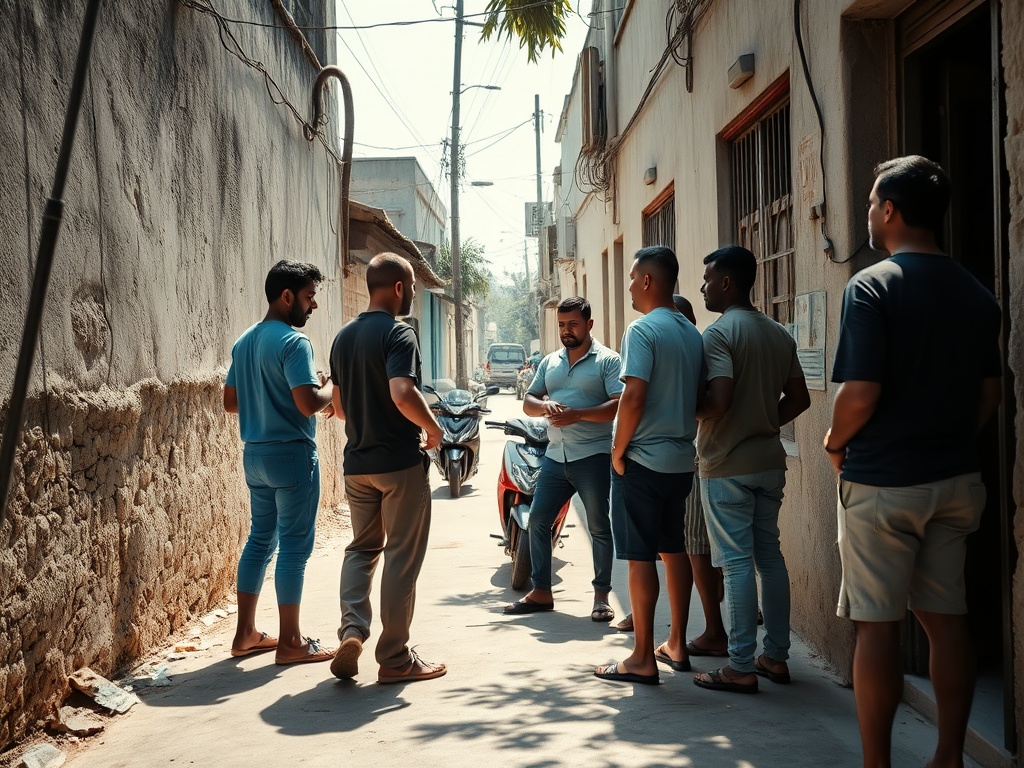
Corruption everywhere. Qawm rolaa kanee
The phrase echoes through the streets of Malé, whispered in tea shops and shouted across social media. It’s a sentiment that captures a deep-seated weariness, a feeling that dishonesty has woven itself into the very fabric of our society. Where does this perception come from, and what does it do to a nation built on tight-knit island communities?
When people feel that corruption is 'everywhere,' it erodes the trust that holds our communities together. It makes us question every contract awarded, every new development project, and every appointment to a public office. Is this project for the people, or for someone's cousin? Is this policy for the nation's benefit, or for a private purse? This skepticism can paralyze progress, as good people hesitate to engage with a system they believe is rigged.
But what is the actual cost? It's not just about missing funds or inflated invoices. It's about the hospital that doesn't get the equipment it was promised. It's about the school that remains under-resourced. It's about the young graduate who loses a job opportunity to someone with the right 'connections.' This isn't just an economic loss; it's a theft of hope and opportunity from an entire generation.
The question we must ask ourselves is not *if* corruption exists, but *why* it persists. Is it a failure of oversight? A lack of consequences? Or has it become so normalized that we no longer recognize it as the exception, but as the rule? When a society accepts corruption as a constant, it signals a breakdown in our collective moral compass.
So, where do we go from here? The solution cannot come from the top alone. It requires a cultural shift, a renewed commitment from every citizen to demand accountability and transparency. It starts with refusing to participate in the small, everyday compromises. It grows when we support journalists and activists who investigate and expose wrongdoing. It solidifies when we vote for integrity over convenience.
The path forward is difficult, but it is not impossible. Our islands have survived storms and tides for centuries. We have the resilience to clean our own house. But it begins with a simple, unwavering decision: that 'corruption everywhere' is a condition we will no longer tolerate.