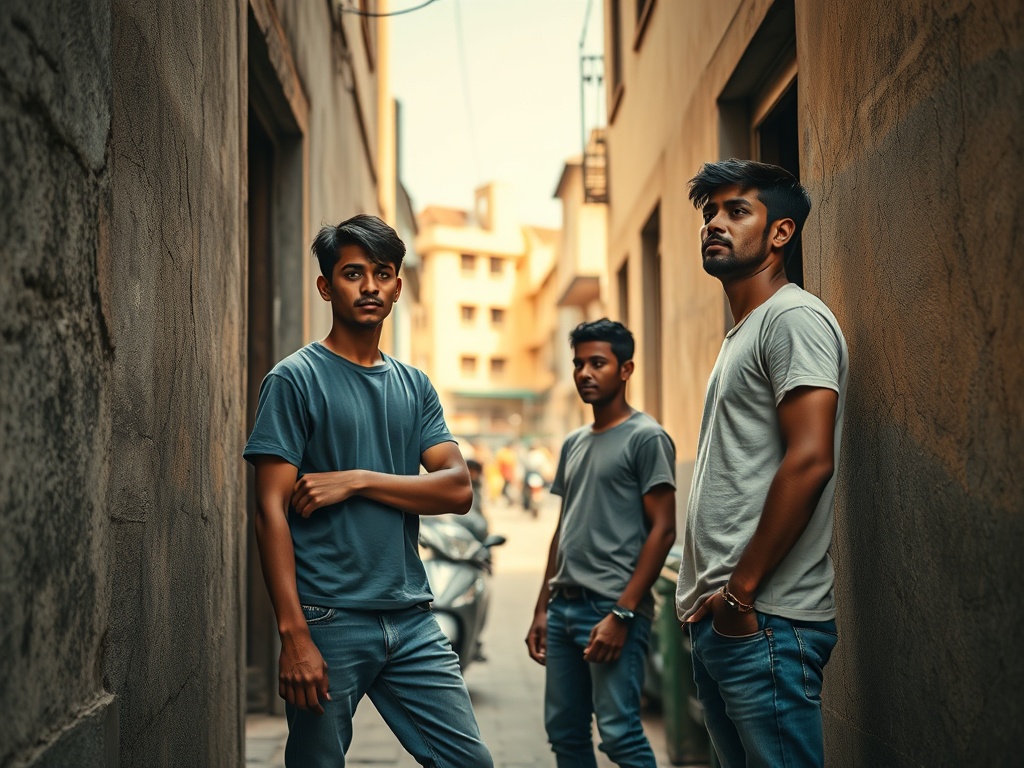
Corruption is an Identity for a near 99,9% of the Maldivian living in Today’s World.
When a citizen declares that corruption has become our national identity, what does that say about our society? It's not just about the high-profile scandals we read about—the MPRC case, the convictions of former leaders. It's about the daily reality where every interaction with the state, every opportunity for advancement, feels tainted by this pervasive force. How did we reach a point where dishonesty feels like the norm rather than the exception?
The roots run deep into our political structure. Successive governments have built systems where loyalty is rewarded with positions, not competence. We see ministries bloated with dozens of politically appointed staff who contribute little, while qualified professionals struggle to find footing. The judiciary, meant to be our safeguard, appears politicized—its independence compromised by appointments that serve political masters rather than justice. When the very institutions designed to protect us become instruments of corruption, where do citizens turn?
This identity of corruption manifests in our economy with brutal clarity. Why does the cost of living keep rising while our incomes stagnate? Government money printing and rising taxes drain household budgets, while lucrative resort revenues are parked overseas by owners who benefit from tax exemptions. The foreign currency shortage isn't accidental—it's the result of systems designed to benefit the few at the expense of the many. Meanwhile, expatriate remittances flow out while locals compete for dwindling job opportunities.
The housing crisis in Malé provides a perfect case study. Politicized allocation means subsidized flats meant for needy families are often subleased by absentee leaseholders living abroad—profiting from public resources while contributing nothing. This isn't just poor management; it's systemic exploitation where those with connections game the system while ordinary citizens remain in overcrowded conditions. What does it do to our national psyche when we see corruption rewarded at every level?
Our youth face perhaps the cruelest consequences. When education and employment opportunities depend on connections rather than merit, when drug use becomes an escape from hopelessness, we're nurturing a generation that inherits this corrupt identity as their birthright. The healthcare system mirrors this decay—medicine shortages, Aasandha insurance abused by providers, and the wealthy traveling abroad for treatment while ordinary Maldivians make do with inadequate care.
The question we must confront is whether this identity is permanent. Can we dismantle systems where electoral bribery through land and asset giveaways has become standard practice? Can we rebuild institutions so they serve citizens rather than political interests? The solution begins with acknowledging the depth of the problem—not as abstract corruption but as a daily reality shaping every Maldivian's life. Only when we stop accepting this as our identity can we begin the difficult work of reclaiming our nation's soul.