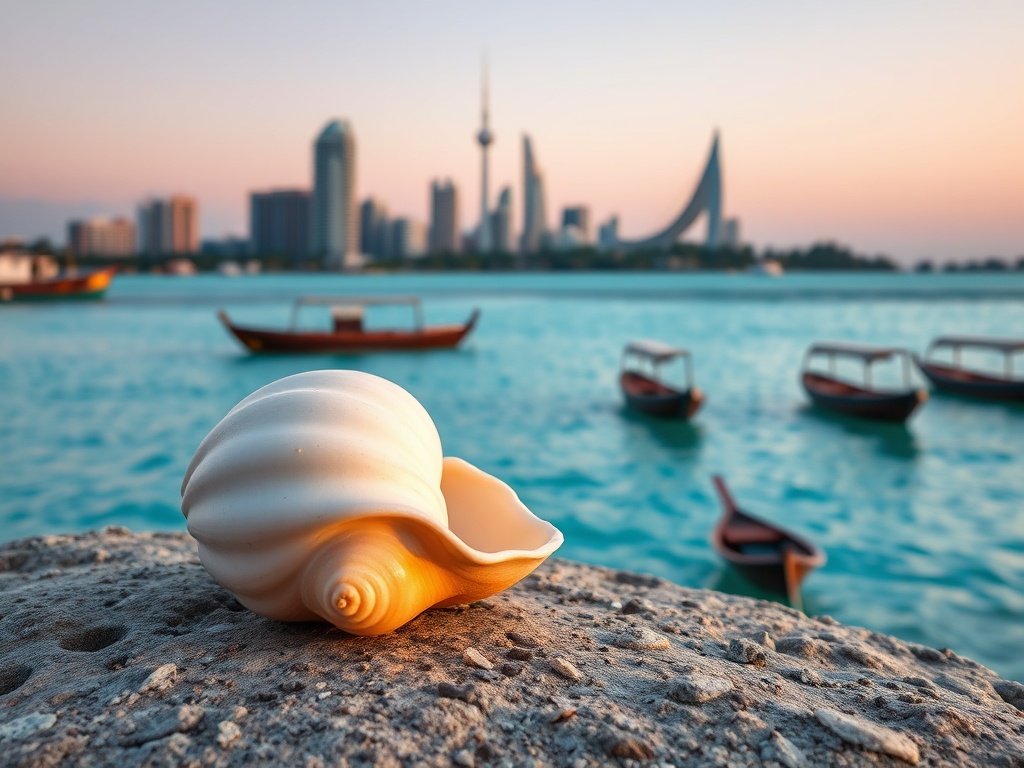
Cowrie Shells, Concrete Towers, and the Men Who Look Down
The observation that "proud men don't like having to look up" resonates with particular force in the Maldivian context, where political hierarchies and social standing have shaped the nation's trajectory for centuries. This truth about human nature finds expression in the archipelago's modern political theater, where power is both sought and contested with increasing intensity.
There was a time when Maldivian prosperity flowed from the sea—when cowrie shells represented both currency and connection to wider trade networks. Our forefathers built livelihoods around these maritime resources, creating societies that understood their place in the Indian Ocean world. Today, that sense of economic self-determination feels increasingly distant as the nation grapples with imported inflation, foreign currency shortages, and a tourism economy where benefits often flow offshore rather than circulating within local communities.
The genetic connections to South Asian neighbors—the 95-98% DNA shared with populations across the region—speak to ancient migrations and shared histories. Yet contemporary political rhetoric often emphasizes difference rather than connection, with "India Out" campaigns reflecting broader tensions about sovereignty and influence. These debates occur against a backdrop where key government positions are increasingly concentrated among connected families, creating perceptions of a system where access to power determines opportunity.
For the discontented, rumors become sustenance in an environment where transparent information can be scarce. The distance between those "sitting upon the highest seats" and ordinary citizens grows as economic pressures mount. Youth face limited prospects despite educational achievements, while housing shortages in Malé create generational divides between those with property access and those without.
The current moment calls for a different kind of strength—not the muscle of political dominance but the resilience to navigate complex challenges. Like the shark that must keep moving to survive, Maldivian society must find ways to adapt while preserving its unique identity. The recipe for this resilience includes diverse perspectives, economic innovation, and perhaps most importantly, the wisdom to recognize that true power serves the many rather than privileging the few.
As the political cycle continues with its appointed campaigns and shifting alliances, the deeper question remains: How does a nation honor its heritage while building a future where prosperity is more broadly shared? The answer may determine whether the next chapter of Maldivian history will be one of division or renewal.
— Source fragments: "You sit upon the highest seat in the realm, Your Grace. Proud men don't like having to look up." "once upon a time we made a living exporting cowrie shells our forefathers became rich due to the shells and lived a happy contented lives." "i don't know about sri lankans specifically but the majority of us do share 95-98% dna with south asians" "To the discontented, rumors are feed." "shark DNA and muscle have power to uplift the sleeping men"