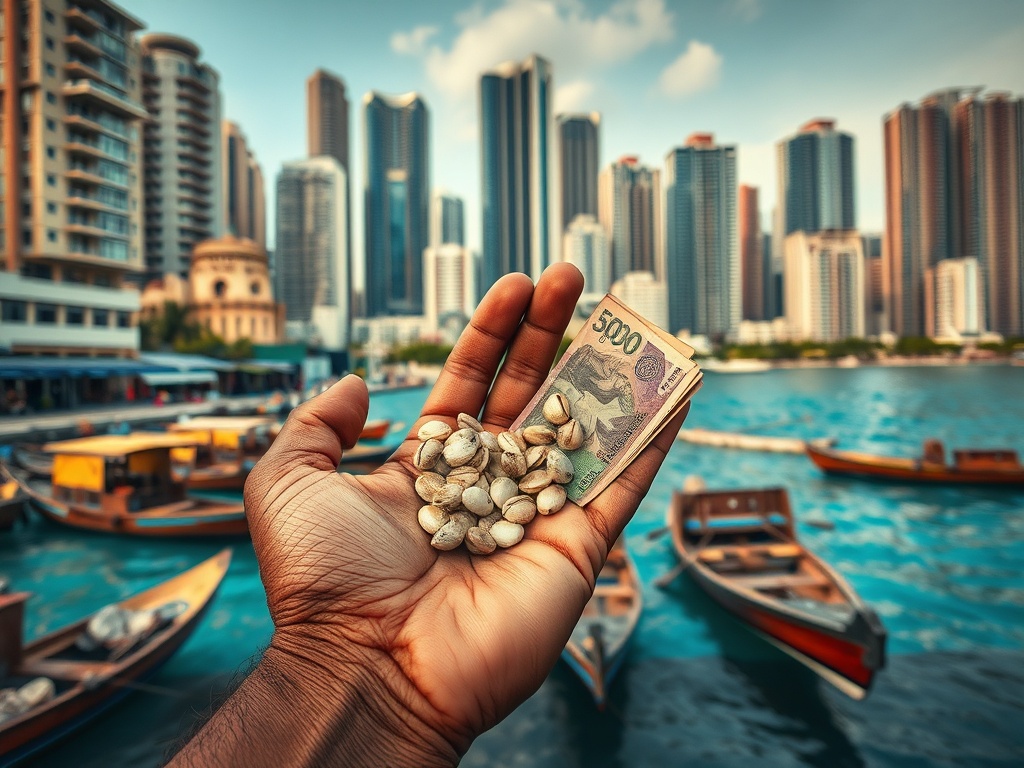
Cowrie Shells in One Hand, Today's Currency in the Other
There's a persistent echo in Maldivian conversations—a whisper of a time when cowrie shells brought wealth and contentment. This historical memory, whether literal or symbolic, serves as a powerful counterpoint to today's economic realities. The romanticized vision of ancestors living 'happy, contented lives' through strategic exports stands in stark contrast to the current import-dependent economy that struggles with foreign currency shortages and rising costs.
The tension between this collective memory and individual experience creates fertile ground for rumors and discontent. When people feel disconnected from promised prosperity, they become more receptive to narratives that explain their predicament. This isn't unique to the Maldives, but here it takes on particular resonance given the rapid transformation from a subsistence and trade-based economy to one dominated by tourism and global market pressures.
Modern economic challenges—the high cost of living, youth unemployment, and housing crises in Malé—make historical prosperity narratives particularly potent. They serve as both comfort and critique: comfort in remembering that better times existed, critique in suggesting that current systems have failed to deliver similar security.
The conversation around shared DNA with South Asians adds another layer to this exploration of identity and belonging. While 95-98% genetic similarity might suggest deep historical connections, contemporary economic relationships often feel more transactional than ancestral. The tension with India, despite shared heritage, illustrates how modern political and economic concerns can override historical and biological connections.
What emerges is a society grappling with multiple identities: the prosperous traders of historical imagination, the genetically connected South Asians, and the modern citizens navigating global economic pressures. This complexity creates a rich tapestry of public discourse where economic anxiety, historical memory, and contemporary identity politics intersect.
The solution-oriented suggestions that occasionally surface—whether about dietary improvements or economic strategies—reflect this underlying desire to reclaim agency. People aren't just complaining; they're searching for ways to 'ride the shark' of economic challenges, to find strength in tradition while adapting to modern realities.
Ultimately, the conversation about prosperity—past, present, and future—remains central to the Maldivian experience. It's a discussion that will continue to evolve as the nation balances its rich history with the demands of contemporary global economics.
— Source fragments: Historical prosperity through cowrie shells, contemporary discontent and rumors, shared South Asian DNA connections, solution-oriented suggestions for improvement