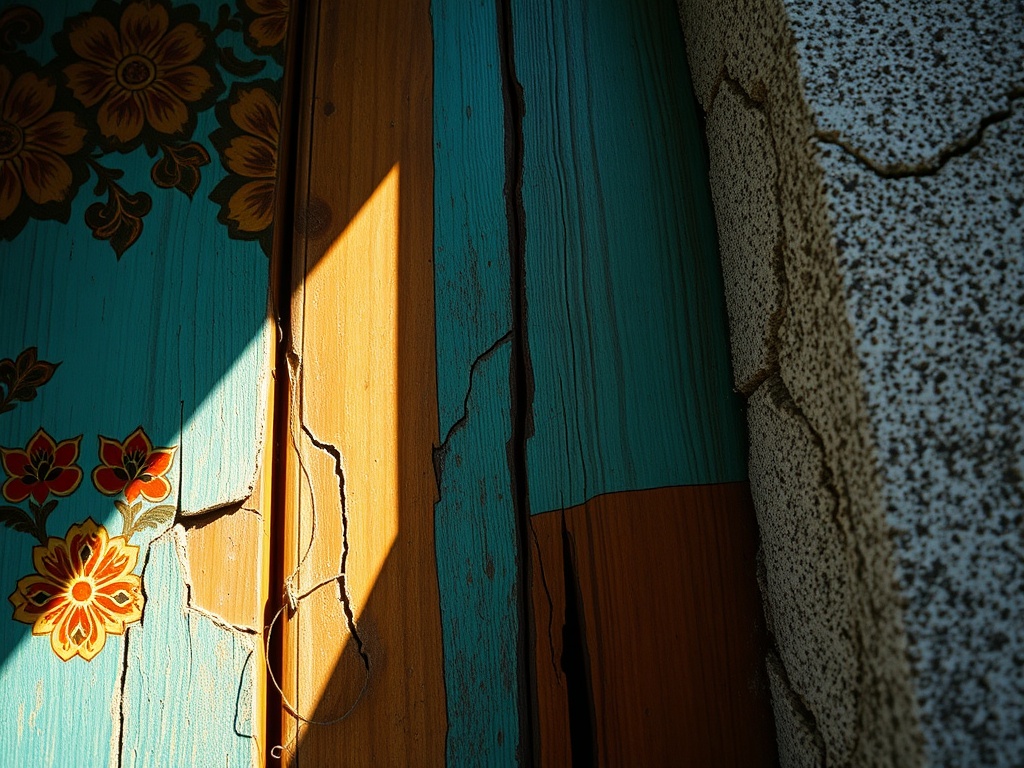
Cracks in Maldivian Lacquer Work, Now Visible to All
The cracks were always there, running like subterranean faults beneath the polished surface of Maldivian society. Now, they've broken through—visible, undeniable, and widening. What began as whispered concerns in crowded Male' cafes has erupted into public view: a profound disillusionment with political processes that seem designed to maintain power rather than progress.
Across social media and private conversations, a troubling pattern emerges. Citizens raising legitimate concerns about community safety, governance, and social issues find their arguments dismissed as mere 'cancel culture' rather than engaged with substantively. When reports and research are met with censorship rather than counter-argument, the very foundation of public discourse begins to crumble.
This isn't merely about political disagreement—it's about the mechanisms of dialogue breaking down. The refusal to properly read, understand, and refute arguments suggests a deeper insecurity within power structures. Rather than engaging with the substance of criticism, the response becomes one of silencing and dismissal, creating a climate where genuine concerns about social issues, personal autonomy, and community welfare cannot be properly addressed.
In this environment, hope becomes a casualty. The sense that 'we will always be second class, whoever in power' reflects not just political fatigue but a recognition that the systems themselves may be designed to maintain certain hierarchies. When citizens feel their only option is to leave, the nation loses not just people but perspectives, talents, and the very diversity of thought needed for healthy development.
The divide now visible isn't merely between political parties or ideologies. It's between those who believe in the possibility of reasoned debate and those who see power as the only currency that matters. It's between citizens trying to articulate real problems and systems that respond with censorship rather than conversation.
What remains uncertain is whether this surface-level division represents a temporary rupture or a permanent reconfiguration of how Maldivians engage with power, with each other, and with the future of their nation. The question isn't just about who holds power, but whether the tools of dialogue and debate can be restored before the divide becomes unbridgeable.
— Source fragments: The divide was always there. Now it's on the surface; I'm calling for the safety of our community. And you call it cancel culture; If you want to refute what's in my report, then that's fine. Falling back on cancel culture shows that you are unable to refute the arguments; Would have been good if had at least read my report and refuted it properly. Instead, they resort to censorship