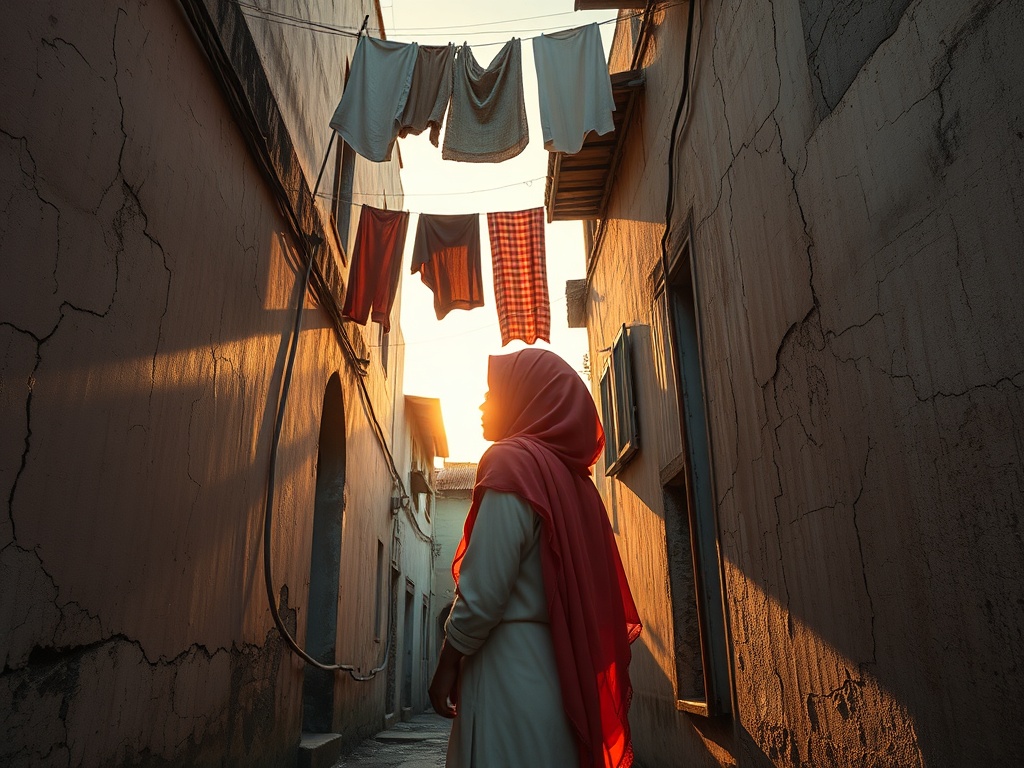
Cracks in Malé's Concrete, and the Trust That's Crumbling With It
The cracks are showing—not just in the concrete structures that dot our islands, but in the very foundation of public trust. Across social media platforms and casual conversations, Maldivians are voicing a collective unease about the state of our built environment and the logic behind development priorities.
In Malé, the daily experience has become one of navigating obstacles. Pavements, meant for pedestrians, now host motorcycle parking, blocked water pipes, and entry-exit parking rows that transform public space into private convenience. This haphazard urban planning reflects a deeper disregard for quality of life in the capital's congested landscape.
The frustration extends beyond inconvenience to genuine safety concerns. Buildings that appear structurally unsound still house families, raising urgent questions about building codes and enforcement. Meanwhile, major infrastructure projects proceed with questionable logic—multipurpose halls being constructed where schools are desperately needed, waste management centers planned for islands scheduled for relocation.
These aren't isolated complaints but symptoms of a systemic pattern. When citizens note that development projects resemble electrical engineering designs rather than architectural plans, they're commenting on more than aesthetics. They're pointing to a fundamental misalignment between public need and political execution.
Maritime safety incidents continue to reveal structural gaps in domestic shipping regulations, while the airport terminal remains unfinished despite promises. The repetition of these failures suggests not just incompetence but a deeper governance crisis where accountability has become optional.
The contrast with developed nations stings—mentions of air-conditioned bus stops in Poland serve as painful reminders of what's possible when public infrastructure prioritizes citizen comfort and dignity.
What emerges from these scattered voices is a coherent narrative of decline—not just in the quality of our physical environment, but in the relationship between citizens and those who govern. The police presence on Sinamale Bridge, once novel, has become tiresome theater while substantive issues go unaddressed.
This isn't merely about aesthetics or convenience. It's about the gradual erosion of public confidence in institutions meant to serve the people. When development projects feel disconnected from community needs, when basic safety standards appear negotiable, when public spaces become afterthoughts—the social contract frays.
The solution isn't simply better engineering or more funding. It requires rebuilding trust through transparent processes, community consultation, and a genuine commitment to putting public interest above political expediency. Until then, the cracks will continue to widen, both in our infrastructure and in our collective faith in the systems meant to sustain us.
— Source fragments: pavement motorcycle parking, unsafe buildings, multipurpose hall vs school funding, waste management center for relocation island, maritime safety gaps, unfinished terminal, development design criticisms