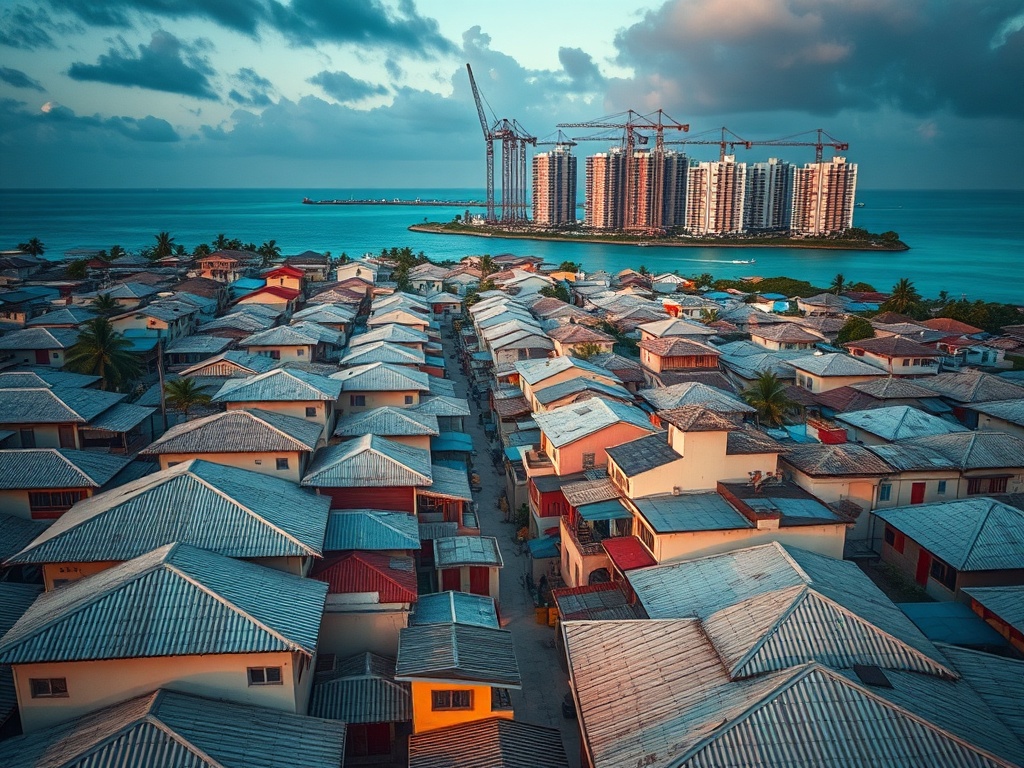
Cranes Swing Where Children Used to Play
The sound of construction has become the background score to Maldivian life. In Malé's densely packed neighborhoods, and increasingly across the atolls, cranes swing against the skyline like metronomes keeping time with a relentless march of development. For residents watching their communities transform, this progress carries a bitter aftertaste.
Buildings rise where playgrounds once stood, and new structures cast long shadows over family homes that have stood for generations. The cityscape changes so rapidly that longtime residents sometimes struggle to recognize their own streets. There's a growing sense that development decisions are made in rooms far removed from the communities they affect, with little regard for the people who must live with the consequences.
"Nobody really cares," echoes the sentiment heard in tea shops and family gatherings across the islands. The feeling of powerlessness grows as residents watch permits granted for projects that seem to prioritize profit over people. When neighborhoods become construction sites without meaningful consultation, when the character of communities changes overnight, something fundamental shifts in the social contract.
The legal framework provides little comfort. As one observer notes, there's no law against building buildings or places of worship. The system, while technically lawful, often feels stacked against ordinary citizens. The fight moves to the courts—a slow, expensive process that few can afford, leaving many feeling that justice is a luxury item.
This isn't just about architecture or urban planning. It's about what happens when people feel disconnected from the decisions that shape their daily lives. It's about watching your neighborhood become someone else's investment portfolio. The concrete that rises around them represents not just physical structures but barriers to community voice and agency.
Yet in this landscape of seeming inevitability, small acts of resistance persist. Neighbors still gather to discuss how to protect shared spaces. Communities continue to advocate for green areas and public amenities. The fight may shift to courtrooms, but it begins in the determination of people who refuse to be silent witnesses to the transformation of their homes.
The real question isn't whether development should happen—the Maldives needs housing, infrastructure, and economic growth. The question is who development serves, and at what cost to the social fabric that holds communities together. As more concrete pours across the islands, the challenge remains: how to build a future that doesn't bury the past.
— Source fragments: Sad days! Nobody really cares... City Council can do whatever it wants to... Packed or not, they'll see fit to give whoever building permits... Gotta fight the good fight through the courts...