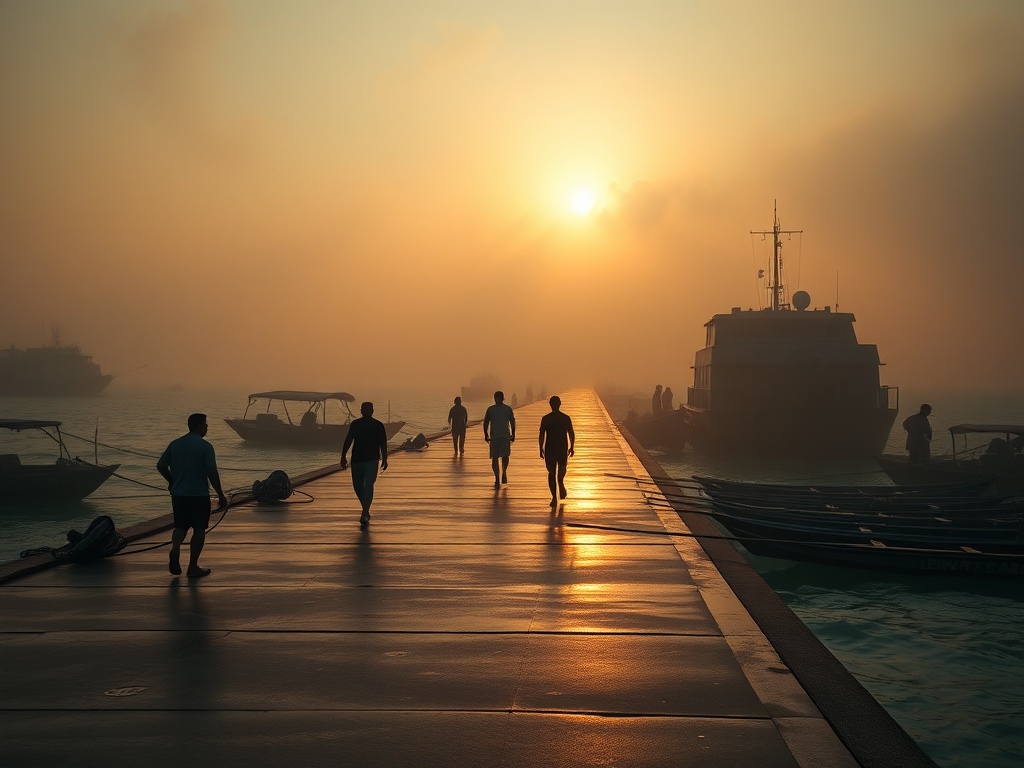
Dawn Conversations About Foreign Ships in Our Waters
In the quiet hours between dusk and dawn, a conversation unfolds across Maldivian social media platforms—one that speaks to a deeper unease about what happens behind closed doors in matters of national security. The questions are direct, visceral: Why are foreign military assets being acquired? Who are they intended for? What wars are being prepared for on Maldivian soil?
The anxiety isn't born from abstract fears but from tangible observations. Citizens report seeing foreign personnel in civilian clothes moving through local communities. Military agreements signed during previous administrations have been extended, yet their contents remain classified. When one citizen filed a Right to Information request seeking basic details—even just the names of these agreements—the government refused disclosure entirely.
This opacity creates a vacuum where speculation flourishes. The debate has shifted from whether foreign military presence exists to what purpose it serves. Critics argue that sophisticated weapon systems like the F-35 are mismatched for the Maldives' security needs, suggesting they're intended for conflicts beyond Maldivian waters—perhaps in regional theaters where the nation has no stake.
The continuity of certain facilities adds to the concern. The establishment at UTF Harbor continues its operations under the current administration, as does the training school in Addu. What's notable isn't just their persistence but the lack of explanation about their functions and the agreements governing them.
This secrecy stands in stark contrast to the government's public positioning on sovereignty. The 'India Out' campaign highlighted popular sentiment against perceived foreign interference, yet similar concerns about other international military relationships receive less official attention. The inconsistency suggests that political posturing may sometimes override genuine commitment to transparency.
The core issue transcends any particular administration or international partnership. It's about the fundamental right of citizens to understand commitments made in their name—especially those involving military presence on their soil. When governments shield such agreements from public view, they undermine the very sovereignty they claim to protect.
In a nation where tourism provides the economic lifeblood and stability is paramount, these unanswered questions create a persistent undercurrent of anxiety. Maldivians aren't asking for state secrets—they're asking for basic accountability about who operates on their islands and for what purpose. Until those questions receive honest answers, the conversation will continue, growing louder with each undisclosed agreement and each unexplained presence.
— Source fragments: Questions about military purpose and agreements; Observations of personnel in civilian clothes; RTI refusal regarding military agreements; Continuity of UTF and Addu facilities; Concerns about weapon systems mismatched to national needs