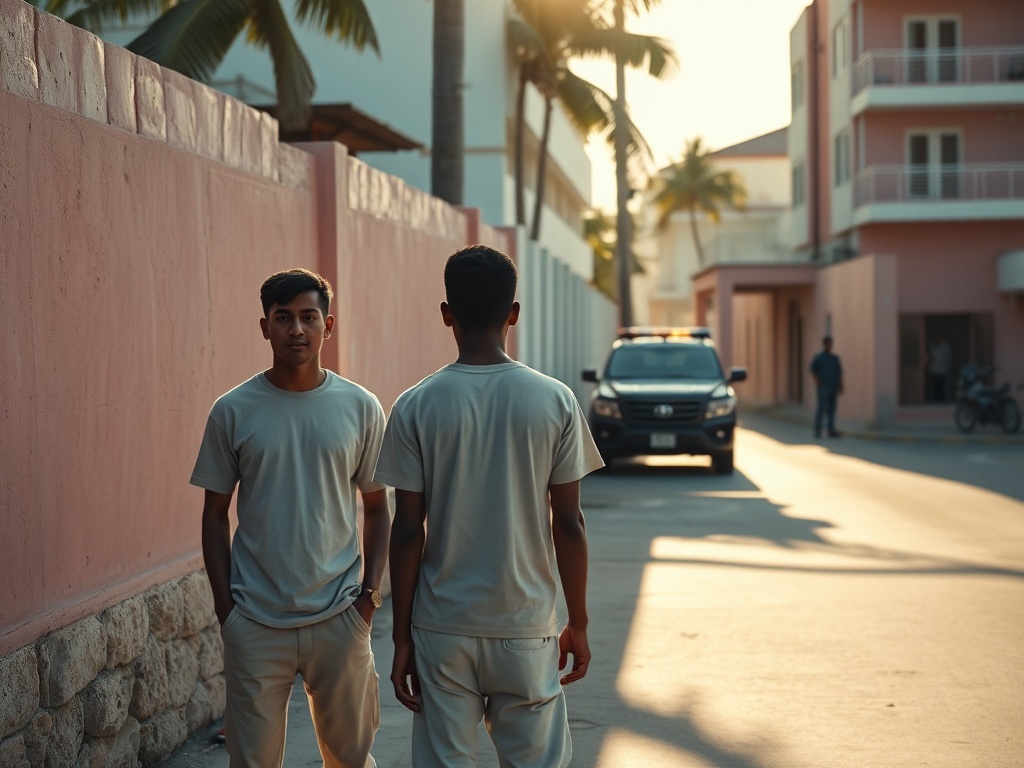
Day 2: Unlawfully detained. Suffering behind bars without medical assistance for exercising their constitutional rights.
The morning call to prayer echoes through Malé's narrow streets, but for those detained since the October 3rd protests, there is no relief. Their families wake to another day of uncertainty, wondering when basic rights will be restored. This isn't just about political disagreement—it's about the fundamental contract between citizens and their government.
What happens when peaceful assembly becomes a punishable offense? The constitution guarantees these rights, yet the reality on the ground tells a different story. Medical neglect in detention isn't merely an oversight; it becomes a tool of punishment. When access to healthcare is weaponized, what message does that send about our society's values?
The timing raises deeper questions. With rising living costs and economic pressures mounting, why does the government's response to dissent appear increasingly heavy-handed? The LRAD devices used during protests—capable of causing permanent hearing damage—suggest a worrying escalation in crowd control methods. How did we reach this point where state power feels so distant from public need?
Consider the practical implications. A young person arrested during protests might miss work, lose income, and face lasting health consequences. Their family bears the emotional and financial burden. This creates ripples through our small communities where everyone knows someone affected. The social fabric stretches thin when trust erodes.
Meanwhile, the legal framework exists—Maldives ratified the UN Convention Against Torture in 2004. But ratification means little without implementation. When international commitments clash with domestic political interests, which prevails? The gap between legal promise and lived experience grows wider each day.
Where does this leave ordinary Maldivians? Many feel caught between economic survival and political expression. When speaking out risks detention without proper care, silence becomes the safer option. But silence has its own cost—the gradual normalization of rights erosion.
The question isn't just about these specific detainees. It's about precedent. If today's protesters can be denied medical care, what protections remain for tomorrow's dissenting voices? The patterns we establish now will shape Maldivian democracy for years to come.
Perhaps the most troubling aspect is how quickly extraordinary measures become routine. The replacement of police commanders who opposed harsh tactics suggests institutional pressure to conform rather than protect. When professional judgment yields to political command, where do public servants draw the line?
As diesel prices climb and inflation bites, the government's priorities come under scrutiny. Resources allocated to crowd control equipment could instead address healthcare shortages or subsidy gaps. Every choice reflects values—what do our current priorities say about us as a nation?
The solution likely lies not in dramatic confrontations but in rebuilding trust. Transparency about detention conditions, independent oversight of law enforcement, and genuine dialogue between opposing sides. But first, we must acknowledge the problem exists—that suffering behind bars, for any reason, diminishes us all.