Decentralization is a very important aspect to think about
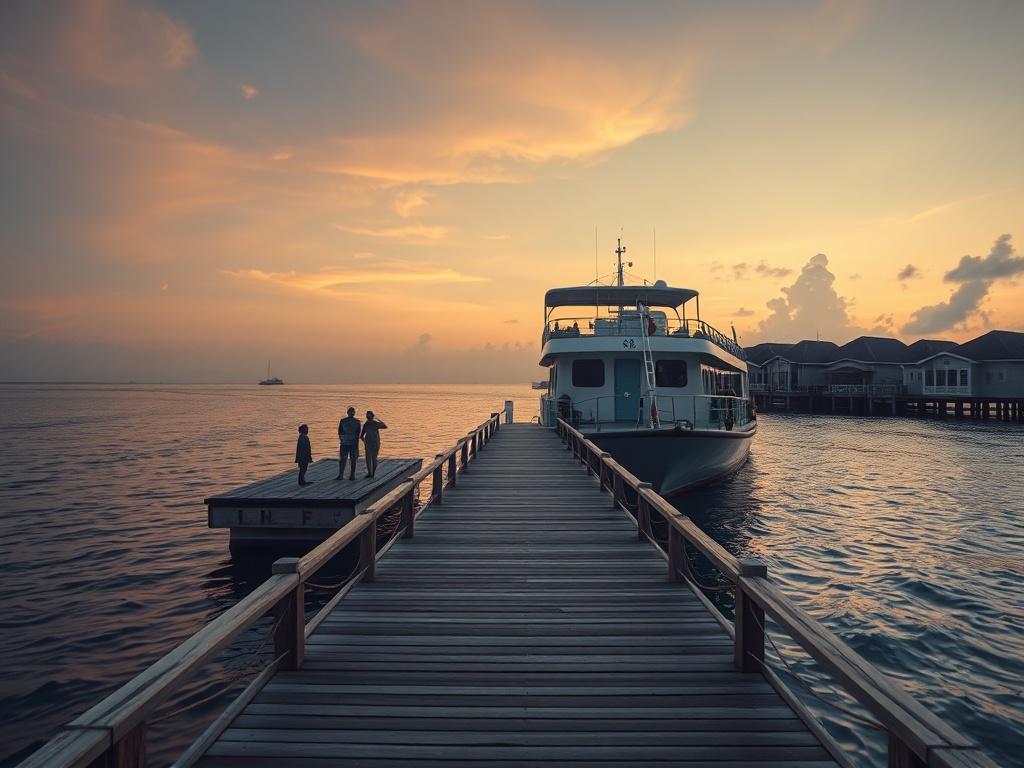
Sometimes I sit on the seawall in Malé, watching the ferries come and go, and wonder what it would be like if this wasn't the only center of everything. The idea of a rotating capital—changing every few years—isn't just about buildings and offices. It's about rhythm, about giving each atoll its moment in the sun. We've concentrated so much here, in this crowded dot of an island, that the rest of the country sometimes feels like an afterthought.
What would it mean for Fuvahmulah to host the government for a term? Or Addu? The life would flow differently. The power would breathe in new places. Our identity as a nation isn't just Malé; it's the thousand scattered pieces of land across this blue expanse. When we keep everything here, we forget the quiet dignity of the outer islands, the different ways of life that have shaped us.
This idea speaks to a deeper hunger for fairness, for a system where development isn't a prize for the few but a shared journey. We talk about decentralization in meetings and policies, but this vision—of a moving capital—feels more like a story we tell ourselves about who we could be. It's hopeful, almost playful. It suggests that no single place should hold all the answers, that governance could be as fluid as the ocean between us.
Yet, I also feel the weight of it. The practical fears, the cost, the disruption. But isn't that part of growing? To imagine something bold, even if it feels impossible now. Maybe it starts smaller—shifting ministries, building capacity island by island. The dream itself is a reminder that our geography doesn't have to be a barrier. It can be the very thing that makes us unique, if we learn to move with it, not against it.
In the end, it's not really about the capital. It's about remembering that every island has a heartbeat. And maybe, just maybe, we need to listen to all of them to truly move forward together.