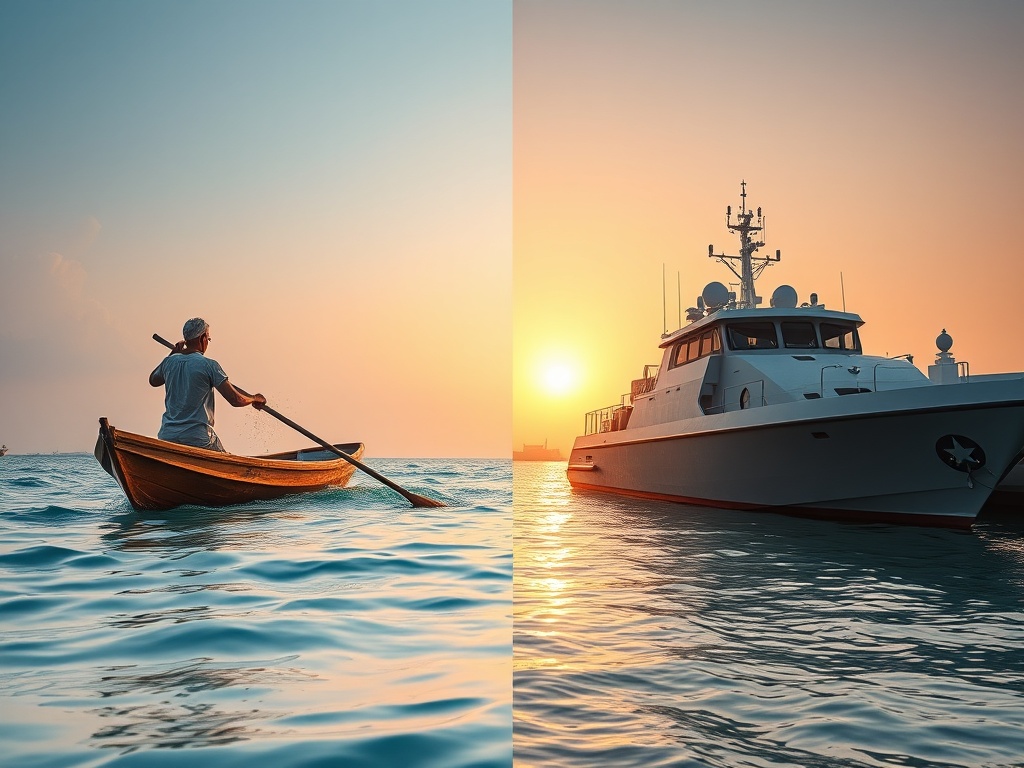
Dhoni Boats and Military Hardware: A Nation's Competing Priorities
In the digital age, traditional libraries may have transformed into smartphones, but the library as a community space remains relevant. This metaphor extends to a broader national conversation emerging across Maldivian society—one that questions fundamental priorities in an era of competing needs.
The debate centers on defense spending, with critics pointing to the allocation of 4% of the national budget to military expenditures. Many citizens express confusion about the necessity, asking who would invade a nation with no territorial conflicts or enemy countries. The discussion reveals a population grappling with how to balance security concerns against pressing domestic needs.
This conversation unfolds against a backdrop of foreign military presence that has become a flashpoint in national discourse. Some voices express alarm about what they perceive as an erosion of sovereignty, referencing historical context where the Maldives maintained military independence after the British base closure in 1976. The current situation, with multiple foreign militaries operating in Maldivian territory, generates anxiety about being caught in broader geopolitical conflicts.
Meanwhile, practical concerns dominate the counter-argument. Critics question spending millions on advanced weaponry when islands lack basic services, healthcare remains inadequate, and housing crises persist in Malé. The suggestion that rifles and mandatory military service would suffice reflects a minimalist view of defense needs.
The economic dimension adds complexity. With the combined GDP of 25 years barely matching the annual budget of neighboring military powers, some argue for strategic pragmatism rather than military buildup. Others counter that precisely because of this disparity, enhanced defense capabilities are necessary.
This isn't merely a budget debate but a conversation about national identity and priorities. It touches on questions of self-reliance versus strategic partnerships, immediate needs versus long-term security, and how a small nation navigates an increasingly multipolar world. The intensity of feeling reflects how deeply these issues connect to perceptions of national sovereignty and independence.
As the discussion continues, it reveals a society weighing competing visions of security—whether it comes from military strength, diplomatic positioning, or domestic prosperity. The outcome of this debate will shape not just budget allocations but the nation's trajectory in the coming decade.
— Source fragments: traditional libraries with books... 4% of annual budget... spending on our defense... foreign military permanently stationed... no control of their assets... combine the gdp of maldives for the past 25 years... militarizing Maldivian territory... allocate the money to education, housing, health... Maldives has no enemy countries