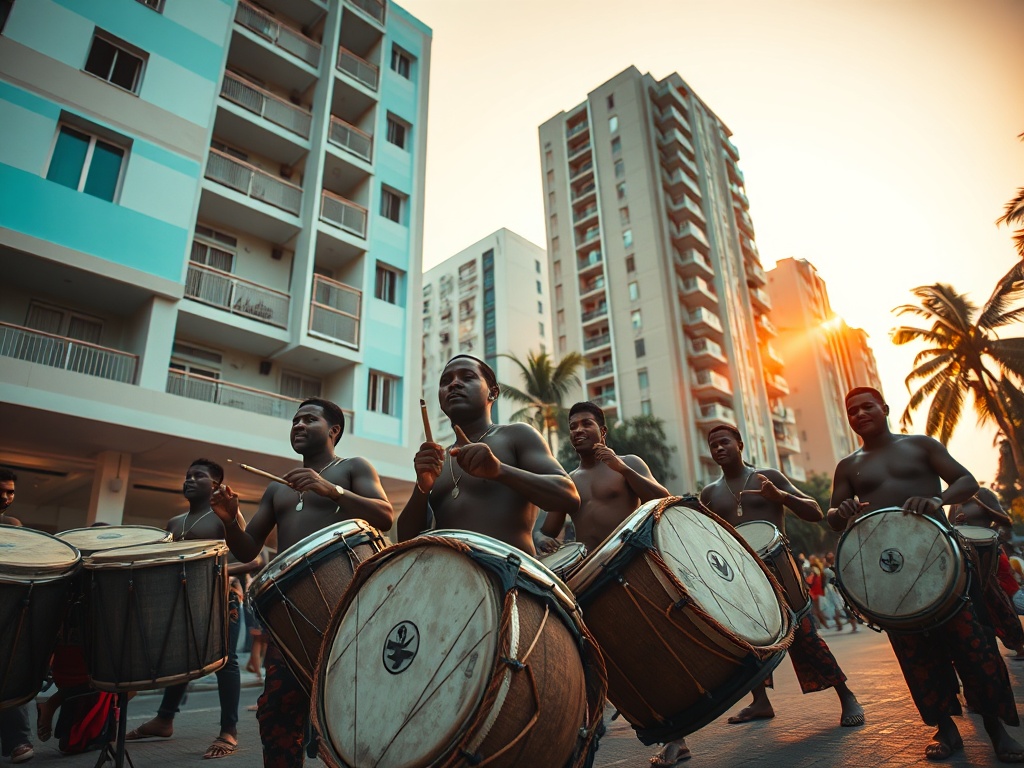
Digital Accusations and the Bodu Beru Drums
In the digital squares of Maldivian social media, a familiar tension resurfaces—the delicate dance between Islamic devotion and cultural heritage that has defined the archipelago's identity for centuries. The latest exchange, sparked by questions about cultural festivals and accusations of cultural theft, reveals how these ancient fault lines continue to shape modern discourse.
Critics question the authenticity of cultural preservation efforts, viewing them through a strictly religious lens that labels certain traditions as incompatible with Islamic principles. The defensive responses from cultural advocates highlight a growing frustration with what they perceive as reductive interpretations that fail to acknowledge the complexity of Maldivian history.
At the heart of the debate lies a fundamental question: can a nation be both fully Muslim and fully Maldivian? The assertion that Maldivians are "inheritors of pagan culture" points to the uncomfortable truth that Islam arrived in the Maldives nearly nine centuries ago, layering over existing traditions rather than erasing them completely. This historical reality creates ongoing tension for a population that identifies as 100% Muslim while carrying cultural DNA from pre-Islamic times.
The conversation takes a personal turn when discussants reveal familial connections to cultural figures mentioned in public discussions, only to face accusations of religious impropriety for engaging with this heritage. This pattern reflects a broader societal dynamic where cultural exploration is often misinterpreted as religious deviation, creating a chilling effect on open discussion.
Meanwhile, the accusation of cultural theft being "the other way around" speaks to concerns about globalization and identity erosion. In a nation grappling with foreign influence debates and economic pressures, cultural preservation becomes intertwined with national sovereignty concerns. The defensive posture suggests a community feeling besieged on multiple fronts—from economic challenges to cultural dilution.
What emerges from these digital fragments is not a clear resolution but rather a mapping of the contested territory where faith, heritage, and modernity intersect. The emotional charge surrounding these discussions indicates how deeply these questions cut to the core of Maldivian identity. As the nation navigates complex economic challenges and political transformations, these cultural conversations serve as proxy battles for larger questions about direction, values, and authenticity in a rapidly changing world.
The persistence of these debates suggests that the reconciliation between Islamic life and cultural heritage remains an unfinished project—one that continues to evolve with each generation's interpretation of what it means to be both Maldivian and Muslim in the 21st century.
— Source fragments: Cultural festival questioning, cultural theft accusations, religious-cultural tension, identity conflict discussion