Do we need more reclaimed land or better use of what we have?
Look at any satellite map of our islands from the last twenty years. You’ll see the scars—pale, geometric shapes jutting out from the natural curves of our atolls. These are the 52 land reclamation projects carried out since 2007, a frantic effort to carve more space from the sea. From the air, they look like promises. From the ground, they feel like ghosts.
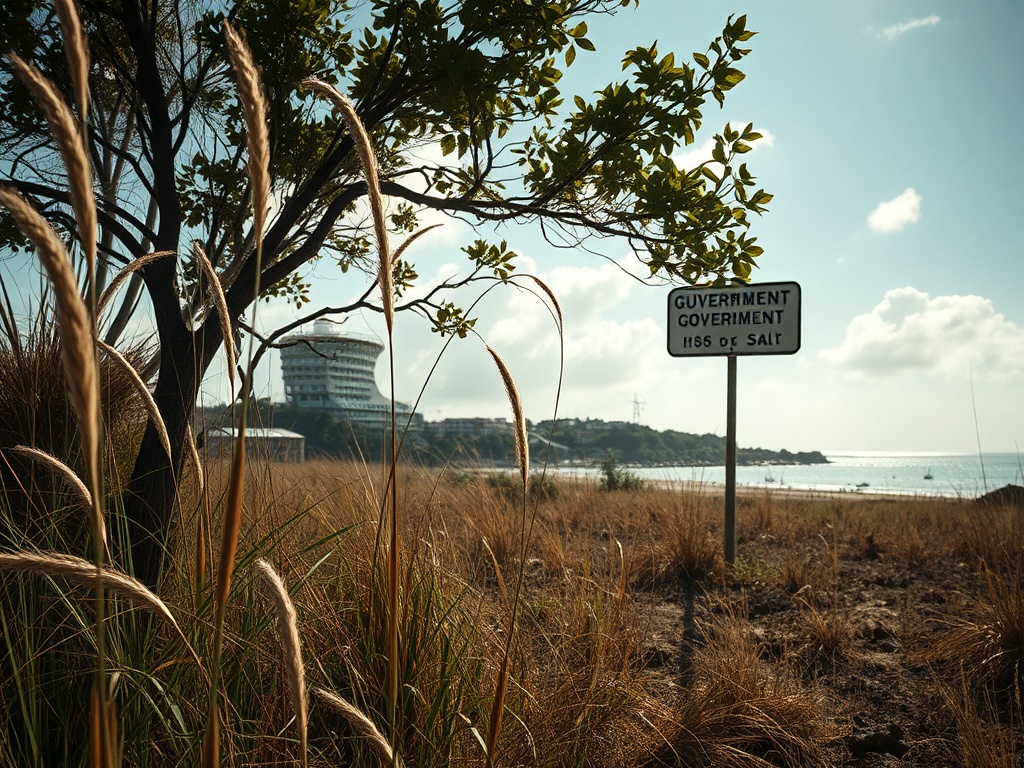
We stand on these new shores, on land that cost billions of rufiyaa and untold environmental cost, and we are surrounded not by new homes or industries, but by waist-high grass and silence. As Ibrahim Naeem told the climate committee, some of this land has been barren for two decades. It’s a peculiar kind of heartbreak, this cycle of creation and neglect. A new administration comes in, sees an empty, reclaimed plot, and instead of developing it, launches a grander project right next to it. It’s as if the act of reclamation itself is the goal, not what comes after.
In Malé, we feel the crush of people. We know the genuine need for space. But when you fly to an outer atoll and see these vast, empty, government-made plains, the logic falls apart. The promise is always the same: this new land will solve housing shortages, create economic zones, secure our future. But the result is also the same—a field of grass, a monument to a plan that was never really a plan. It’s a political spectacle, a ribbon-cutting event that fades from memory as soon as the dredging ships leave.
Our relationship with land is fundamental. We are an island people; every grain of sand is counted, every coconut tree has an owner. This casual creation and subsequent abandonment of whole new territories feels like a violation of that relationship. It speaks to a disconnect between the grand visions drawn up in offices in Malé and the lived reality in the islands. What does a community in Shaviyani Atoll need more—a hundred hectares of unused, reclaimed land, or a proper sewerage system for the land they already inhabit?
The environmental cost is the ghost in this story. We don’t see the smothered coral reefs, the altered currents, the habitats wiped out to create these blank slates. We are told it’s for our development, for our security against rising seas. But when the land is left to return to a wild state, what was it all for? The necessity Naeem spoke of feels lost, replaced by a political imperative to be seen to be doing something big, something concrete.
Perhaps the question isn't whether we need more land, but whether we have the wisdom, the planning, and the genuine commitment to care for the land we so expensively create. Until we can answer that, every new reclamation project feels less like a promise and more like a recurring dream we can’t wake up from, building futures on sand that we then simply forget.