Education Beyond Our Shores
In the quiet corners of Malé's coffee shops, you hear the conversations—parents discussing universities in Malaysia, boarding schools in Sri Lanka, degrees in Australia. There's a particular rhythm to these talks, a familiar cadence that echoes through certain circles while remaining distant from others. I watch the children of officials return during holidays, their accents subtly changed, their perspectives widened by foreign campuses, while the sea breeze that once connected us all now feels like a divider.
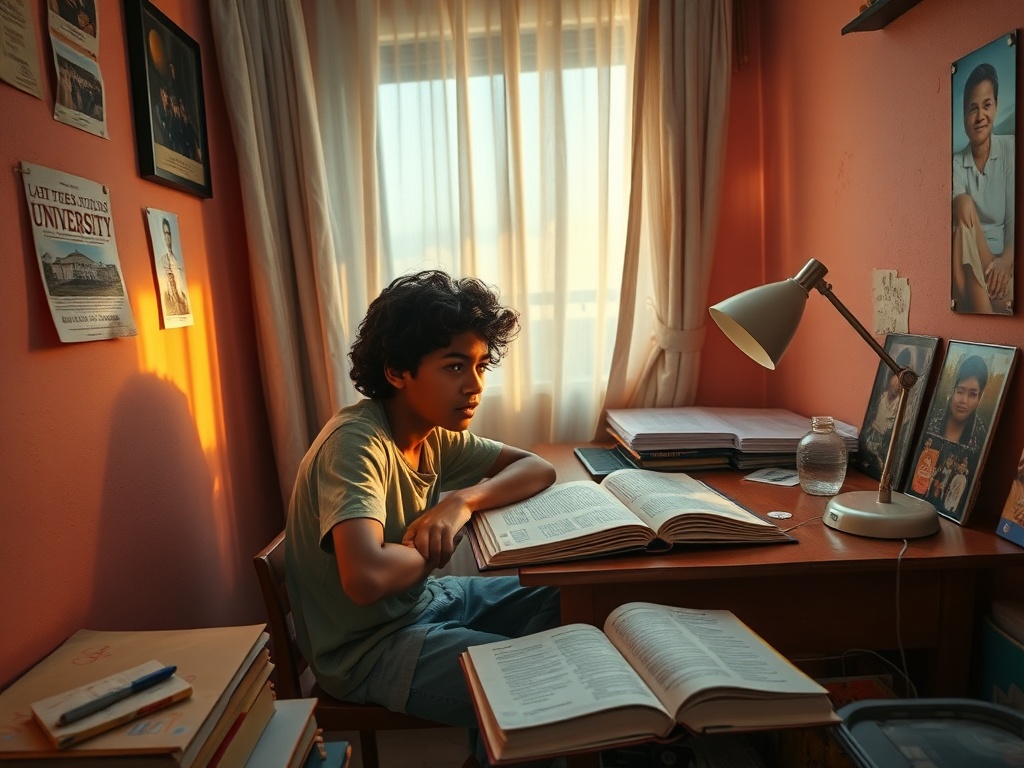
What strikes me isn't the education itself—every parent wants the best for their child—but the quiet mathematics of it all. The same official salaries that would barely cover a year of international school fees here somehow stretch across oceans to fund degrees abroad. Meanwhile, my neighbor's daughter studies late into the night, her textbooks spread across the floor of their small apartment, hoping her A-level results will be enough for the limited scholarship opportunities.
There's a peculiar duality to our island nation's relationship with education. We celebrate when any child succeeds abroad, yet we can't ignore the unspoken pathways that make such journeys possible for some and nearly impossible for others. The afternoon sun casts long shadows across the harbor as another student leaves with suitcases filled with dreams, while the rest of us navigate the realities of our local classrooms, where overcrowding and limited resources are daily challenges.
Perhaps what we're witnessing is not just about education, but about the quiet formation of two different Maldives—one that looks outward with global credentials, and another that remains, building our future from within these coral shores.
— Source fragments: whichever party is in power, their children almost always study abroad. Yet their official salaries hardly seem enough to cover it