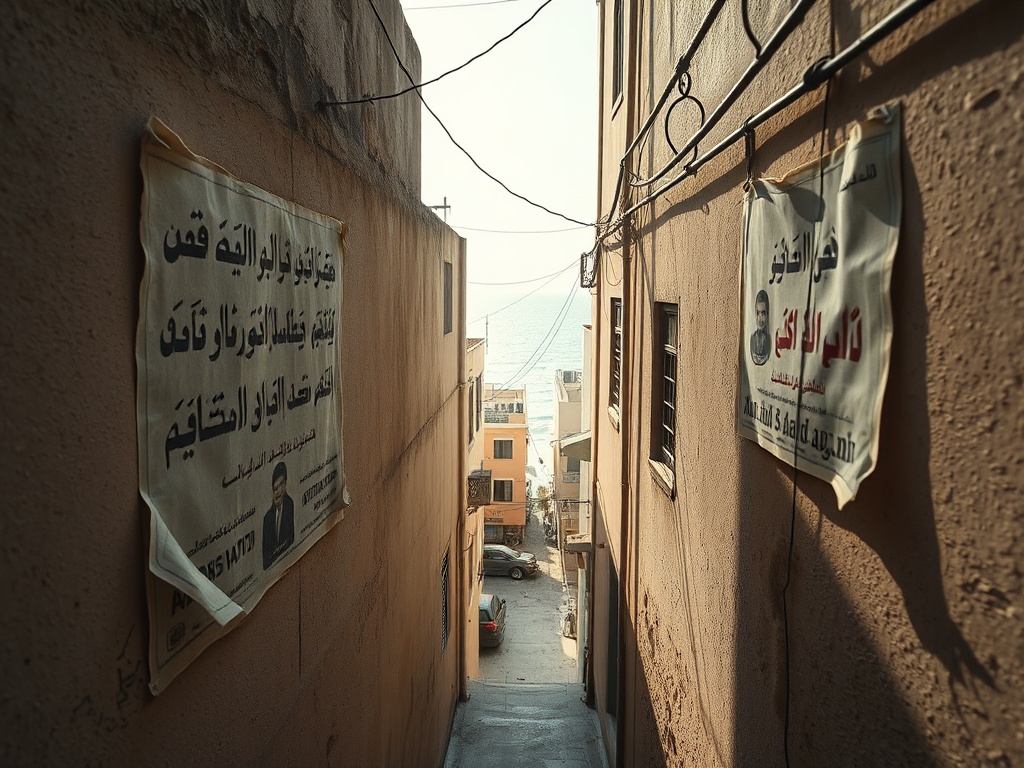
Elections Bring Jobs, Not Change
The campaign posters are already fading in the salt-heavy air, their promises blurring under the relentless Malé sun. Tomorrow, people will line up at polling stations across the islands, casting votes that feel both urgent and strangely weightless. The outcome, many believe, is already written in the quiet arrangements made in offices and over phone calls. The city won't wake up transformed on Monday. The same traffic will choke the narrow streets, the same ocean will lap against the seawall, the same systemic issues will persist beneath the surface.
What does change are the names on the office doors, the faces in the ministerial photographs. For some families, this election means a steady government paycheck, a chance to move from a cramped apartment to one with a view. It means being able to afford the soaring price of imported chicken and rice without having to calculate every rufiyaa. This is the real transaction of election day: not a revolution, but a reallocation of opportunity. It's about whose cousin gets the deputy director position, which party loyalist secures the contract for supplying stationery to a dozen ministries.
I watch young men gathered at the local coffee shop, their conversations a mix of hope and resignation. They speak of 'influence'—a vague, powerful currency that can secure a job, expedite a permit, or simply grant an audience with someone who matters. This is the prize, not some abstract vision for the nation. The fundamental structure, the way things have always worked, remains untouched. The debt, the foreign relations tensions, the housing crisis—these are the permanent backdrop against which these temporary political dramas are staged.
So we go through the motions. We vote, not with the expectation of a different city, but with the pragmatic hope for a slightly better position within the existing one. The machine will continue to turn, and tomorrow is just the day we decide which hands get to grease the gears for a while. It's not cynical, just realistic. The ocean doesn't care who wins, and the city, in its essence, remains the same.
— Source fragments: election tomorrow, no different, people get more jobs, influence in government, nothing bad happens