Eroding freedom of expression and political rights to consolidate power.
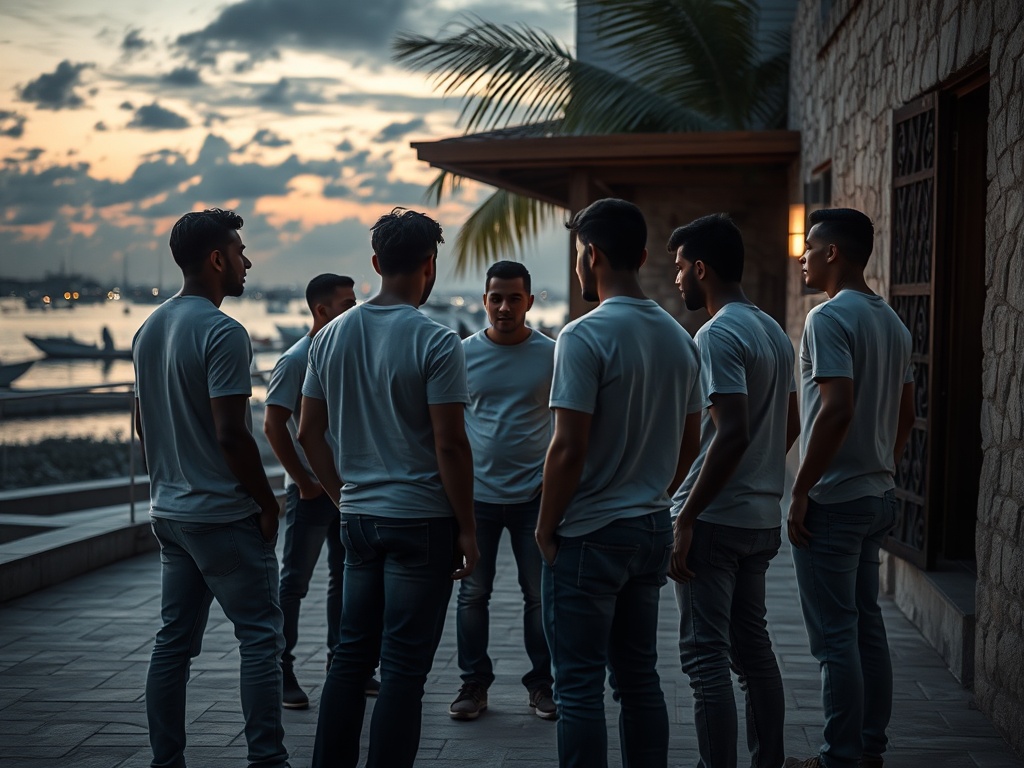
In the heart of Malé, the conversation has shifted from vibrant political debate to hushed tones in corner cafés. The once-bustling platforms for public discourse are now shadowed by a palpable unease, a direct consequence of the state's tightening grip on expression. How did we reach a point where citizens weigh their words before speaking, fearful of the repercussions for simply questioning authority?
This erosion didn't happen overnight. It began with subtle changes—the sidelining of dissenting voices in the media, the strategic legal challenges against opposition figures, and the gradual normalization of self-censorship. The government's strategy appears to be a calculated consolidation of power, framing dissent not as a democratic right but as a threat to national stability. But what is the true cost of this so-called stability when it is built on the silence of its people?
The politicization of the judiciary plays a crucial role here. When courts are perceived as instruments of the ruling party, the legal system ceases to be a protector of rights and becomes a tool for enforcement. This creates a chilling effect, where the fear of legal entanglement stifles political organization and public critique. Is a nation truly sovereign if its citizens cannot hold their leaders accountable without fear?
Look at the broader socio-economic context. A population grappling with a severe cost-of-living crisis, youth unemployment, and a housing shortage is less likely to mobilize when their fundamental rights to assemble and speak are constrained. By keeping the public preoccupied with daily survival and anxious about political engagement, the government effectively neutralizes organized opposition. Does this not create a fertile ground for corruption and nepotism to flourish unchecked?
The 'India Out' campaign, for instance, was allowed to proceed only so far as it served a particular political narrative. When public sentiment threatened to spiral beyond control, the mechanisms of suppression were subtly activated. This selective tolerance reveals a strategy not of principle, but of convenience. Are we trading our long-term democratic health for short-term political gains?
What does the future hold for Maldivian democracy if this trajectory continues? A society where political rights are negotiable is one that risks permanent damage to its social fabric. The very ideals that define a nation—justice, liberty, and public participation—become casualties in a silent war waged not with weapons, but with laws, fear, and administrative overreach. The question every Maldivian must now ask is: how do we reclaim the space for our voices before it disappears entirely?