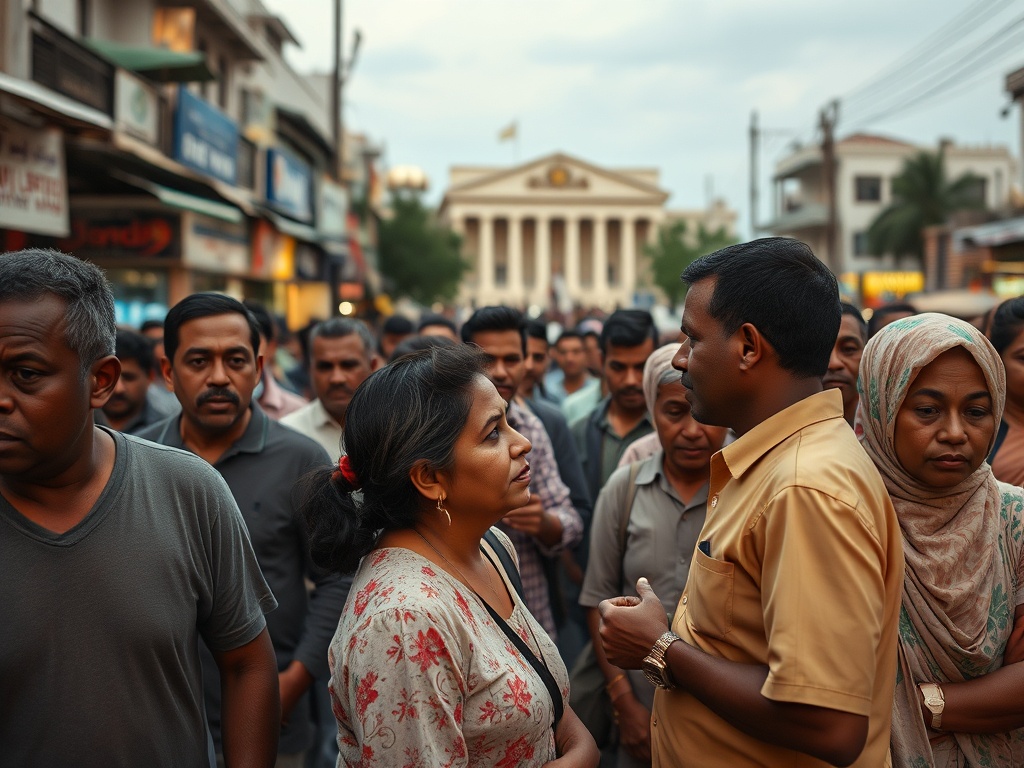
Every single day this dictator is still president is a sad day for Maldives
The sentiment echoing across Maldivian social circles grows increasingly grim as another day passes under President Muizzu's leadership. 'Every single day this dictator is still president is a sad day for Maldives' captures the collective despair of citizens watching their democratic institutions erode. This isn't just political rhetoric—it's the lived reality of Maldivians facing shrinking political space and consolidating executive power.
The frustration extends beyond partisan lines, with observers noting how 'everyone's fighting corruption until they get a seat at the table.' The transparency that politicians champion during campaigns often disappears once ministerial positions are secured. This pattern repeats across administrations, leaving citizens cynical about genuine reform.
Current governance challenges are multifaceted. The judiciary faces accusations of politicization, particularly regarding Supreme Court appointments and dismissals that appear to serve political interests. Meanwhile, public sector bloat continues with dozens of ministers per ministry—political appointments that drain resources without corresponding productivity.
Economic pressures compound the political discontent. The high cost of living, driven by government money printing and rising taxes, hits ordinary Maldivians hardest. Foreign currency shortages persist despite tourism revenue, as resort owners park earnings abroad and expatriate remittances drain reserves. The housing crisis in Malé worsens daily, with government housing projects becoming political tools rather than solutions.
Youth face particularly bleak prospects—drug use, unemployment, and limited opportunities drive despair. Healthcare remains inadequate, forcing many to seek treatment abroad while the national insurance system faces abuse through provider overcharging.
Against this backdrop, the police force receives praise for their service, but citizens question whether any institution can remain independent when political pressures mount. The 'India Out' campaign and foreign policy shifts add another layer of uncertainty to the nation's direction.
As one commentator starkly observed about an unspecified but serious matter: 'It's a crime on the public! A very serious international human rights matter.' Whether this refers to specific policies or the general erosion of rights, the sentiment reflects growing alarm about the country's trajectory under current leadership.