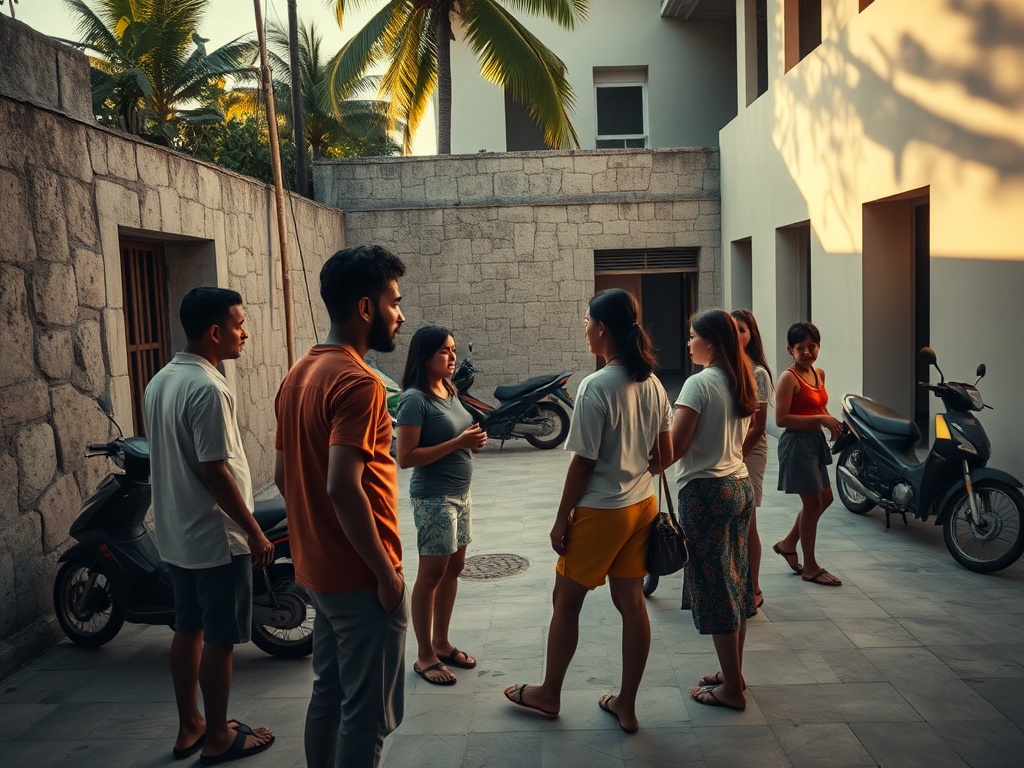
Everyone should be able to express their thoughts freely.
The comment 'Everyone should be able to express their thoughts freely' echoes a fundamental principle that feels increasingly distant in today's Maldives. When public discourse is chilled by the fear of reprisal, what happens to the health of our society? We are told this is a necessary measure for stability, but history teaches us that silencing dissent only deepens societal fractures and breeds resentment.
Consider the practical consequences. When people cannot speak openly about corruption, nepotism, or inefficient governance, these problems fester in the shadows. The MPRC scandal and the appointment of relatives to high office are not abstract issues; they drain public funds and erode trust in every institution. If a citizen sees a minister's family member given a plush diplomatic post, but fears mentioning it, how can accountability ever be achieved?
The judiciary's perceived politicization adds another layer of intimidation. If the courts are seen as an extension of political power, then the legal system itself becomes a tool to suppress, not protect, free speech. This creates a vicious cycle: fear prevents exposure of injustice, which allows injustice to grow, which in turn increases the fear. Where does this cycle end for the average Maldivian trying to voice concern about the rising cost of living or the housing crisis?
Look at the youth. Faced with drug problems and unemployment, their frustration needs an outlet. When formal channels for expression are constrained, that energy can turn inward or manifest in destructive ways. A society that does not listen to its young people is a society risking its own future. The question is not if they will speak, but how—and whether we will provide a safe space for it.
Economically, the suppression of free debate has tangible costs. How can we solve the foreign currency shortage or the issue of resort owners parking money abroad if we cannot have a robust, public conversation about it? The same applies to the abuse of Aasandha and the chronic medicine shortages. These are not merely administrative failures; they are failures of open dialogue and public scrutiny.
So, what is the way forward? The solution lies not in further restriction, but in courageous leadership that values dialogue over silence. It requires rebuilding independent institutions that protect citizens, not power. It demands a cultural shift where differing opinions are seen as a strength, not a threat. The real test of our democracy is whether we can uphold the simple, powerful idea that everyone should be able to express their thoughts freely, without fear.