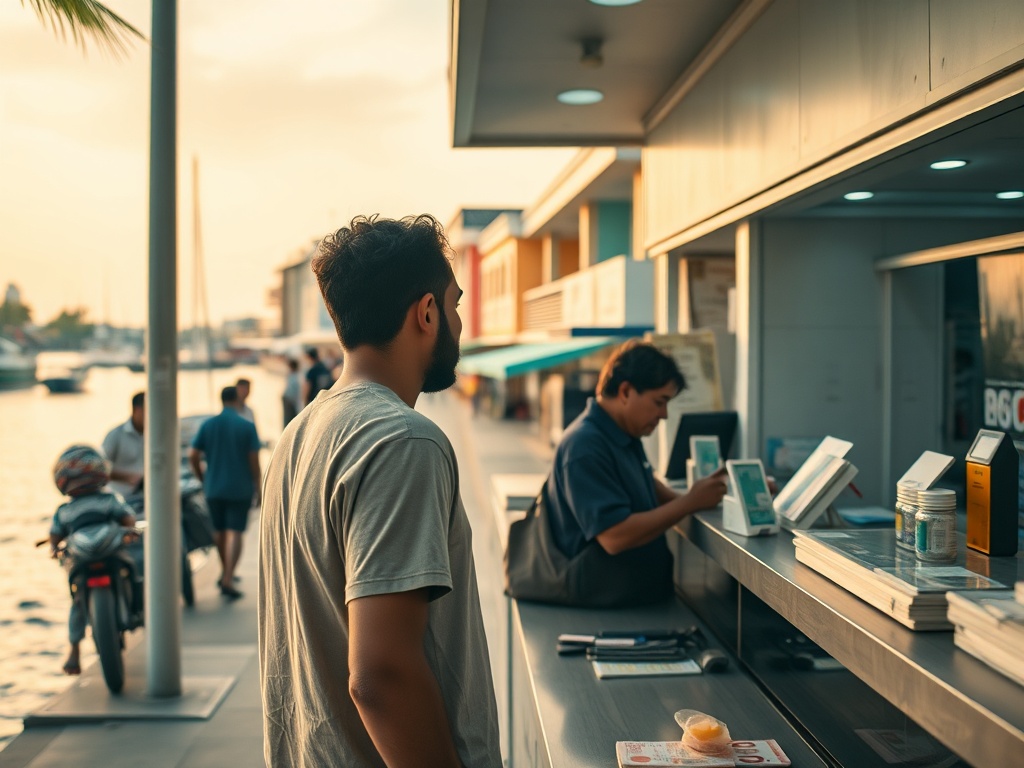
Expatriate remittances drain forex
Every month, millions of dollars flow out of the Maldivian economy as remittances sent home by expatriate workers. This steady drain on our foreign exchange reserves is not just a statistic—it's a direct contributor to the currency shortages that make imports more expensive for every Maldivian family. Why does this continue unchecked when our own youth face unemployment and underemployment?
The connection is stark: as more foreign workers fill roles in construction, hospitality, and retail, the outflows increase, tightening the noose on our national dollar supply. This creates a vicious cycle where the government must print more Rufiyaa to cover deficits, which in turn devalues our currency and pushes living costs higher. How many more price hikes at the market must we endure before this leakage is addressed?
Meanwhile, our tourism dollars—the lifeblood of our forex earnings—are often parked overseas by resort owners, failing to fully circulate within our economy. This double whammy of external outflows and internal hoarding leaves the Central Bank scrambling to maintain stability. What does it say about our economic sovereignty when we cannot retain the wealth generated on our own shores?
The human impact is palpable. Families in Malé struggle with grocery bills as the Rufiyaa weakens, while young Maldivians find fewer opportunities as low-wage expatriates undercut local hiring. The promise of development rings hollow when the financial foundations are being steadily eroded. Are we building a nation for Maldivians, or merely a transit hub for global labor remittances?
Solutions exist—from stricter regulations on remittance outflows to incentivizing local hiring and retention of tourism revenues. Yet political will remains fragmented, caught between business interests and public outcry. Until we confront this drain head-on, our economic independence will remain a distant dream, floating away on outgoing wire transfers.