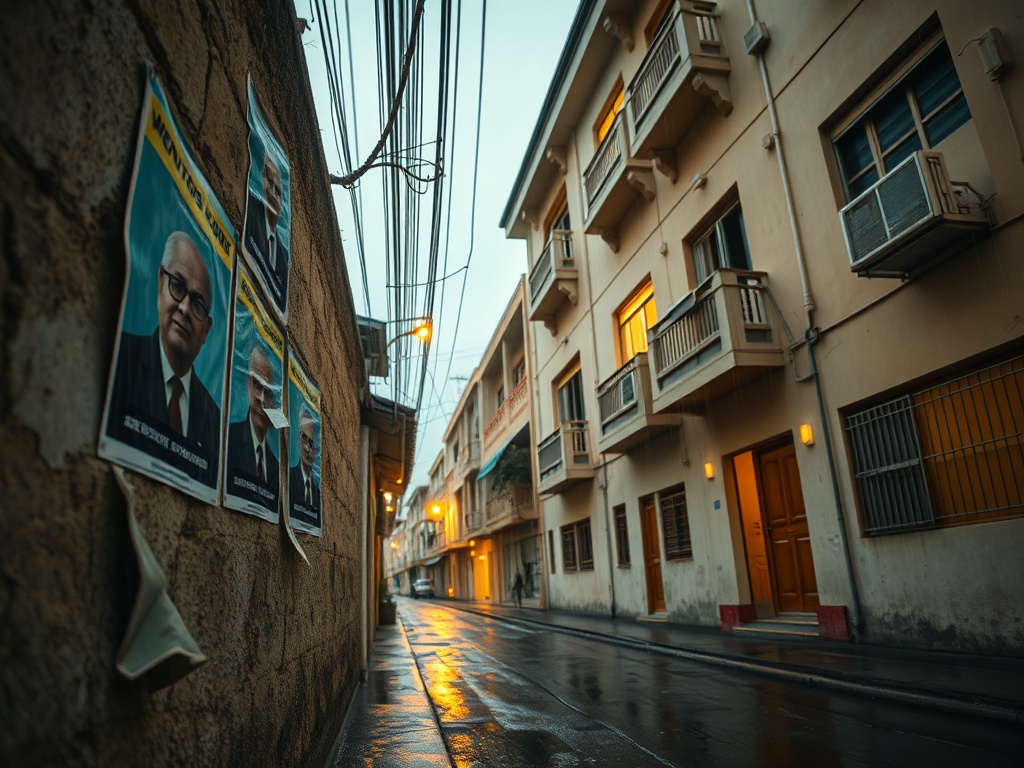
Faded Campaign Posters on Malé's Walls After the Election
Across the Maldives, a palpable sense of disappointment hangs heavy in the air—the bitter aftertaste of political promises made but never fulfilled. Citizens watch as leaders ascend to positions of immense responsibility, only to witness a troubling pattern emerge: the elevation of titles over tangible action, lavish international trips over local engagement, and political survival over public service.
The recent political discourse reveals a fundamental disconnect between those who govern and those being governed. When policies like Binveriyaa and pension reforms disproportionately benefit the elite while ordinary citizens struggle with rising costs and housing shortages, trust erodes. The conversation has shifted from hopeful anticipation to weary resignation, with many questioning whether any political party truly represents their interests.
This disillusionment cuts across party lines. The perception that MDP has lost its original principles—failing to address corruption scandals, reform judicial appointments, or hold February 7 culprits accountable—has created a political vacuum where citizens feel increasingly unrepresented. The emergence of 'The Democrats' as a breakaway faction signals deeper fractures within the opposition, yet voters remain skeptical that any new configuration will break the cycle of unfulfilled promises.
What's particularly striking is how this political fatigue manifests in public discourse. The language has grown sharper, more personal, as citizens who once engaged in hopeful debate now express their frustration through terms like 'tyrant' and 'dictator.' This isn't merely political disagreement; it's the raw expression of betrayed trust, the anger of people who feel their basic needs have been sacrificed at the altar of political expediency.
The housing crisis in Malé exemplifies this breakdown. When subsidized flats meant for local families become investment properties for those living abroad, when government housing schemes become political tools rather than solutions, citizens understand that the system is not working for them. They see policies designed to win elections rather than solve problems, creating what many describe as a 'toxic cycle' that repeats with each administration.
At the heart of this frustration lies a simple but powerful demand: accountability. Not the performative accountability of political theater, but the genuine responsibility that comes with public office. Citizens want leaders who understand that governance means serving rather than ruling, who recognize that their primary obligation is to the 'common Malé meehaa'—the ordinary citizen navigating daily struggles amid political grandstanding.
As the next election cycle approaches, this growing discontent presents both danger and opportunity. The danger lies in further polarization, where constructive dialogue gives way to entrenched positions. The opportunity, however, lies in the possibility that leaders might finally listen—that they might recognize that the patience of the Maldivian people is not infinite, and that real change requires more than just campaign promises.
— Source fragments: He made a lot of promises to a lot of citizens. So far, nothing has been delivered; The guy just got the biggest responsibility of his life handed to him on a plate; All such crappy policies also got born by Binveriyaa. Pension Fund. None of this benefits the normal rayyith; MDP lost its originality after its first govt; Maumoon did not serve the nation. He ruled it with an iron fist; Its a toxic cycle that has been repeating since so called second jumhooriyaa