Families Sharing Rooms While Their Land Permits Wait
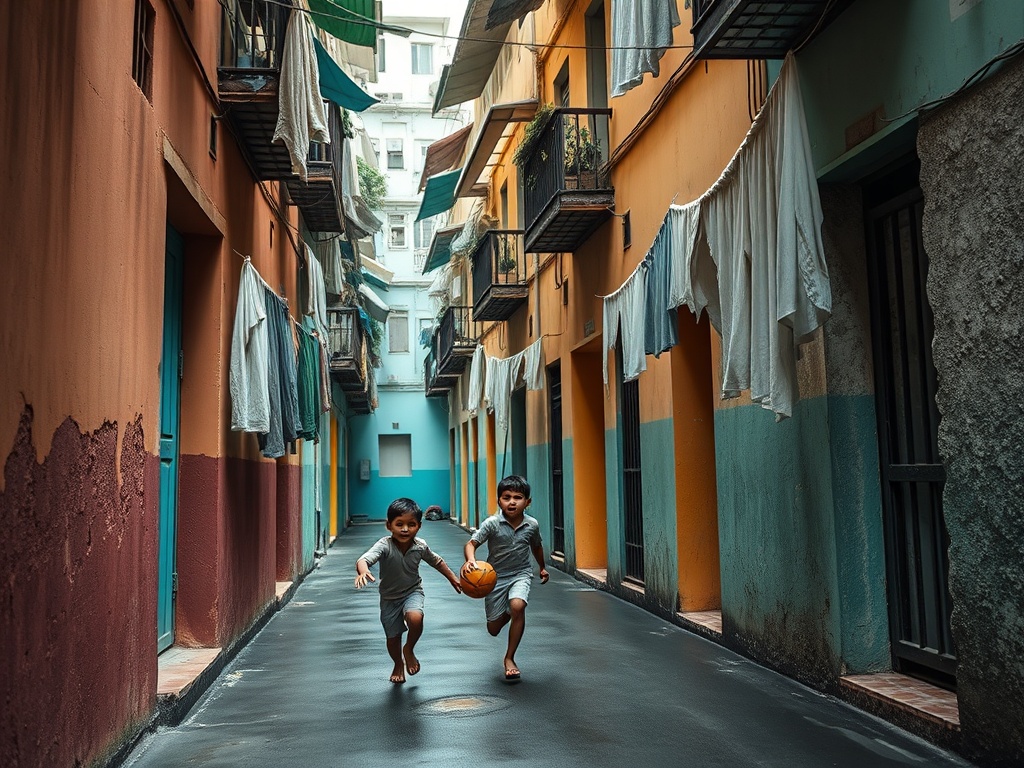
In the cramped living rooms of Malé, where families share single rooms across generations, a quiet desperation has taken root. The housing crisis that has defined Greater Malé for decades is no longer just about scarcity—it's about fundamental questions of justice, belonging, and what it means to call this archipelago home.
The recent distribution of Hulhumalé Phase 2 land plots was meant to represent hope. Instead, it has become another chapter in a familiar story: within months, some recipients were listing their plots on online marketplaces, converting public solution into private profit. This isn't merely about individual choices; it reflects a systemic failure to address what housing advocates call 'the same old elitism'—the persistent belief that opportunity belongs to certain groups while others wait indefinitely.
For Malé natives like the woman who has lived in the capital since age seven, now watching her children become adults without a home of their own, the mathematics of waiting have become intergenerational. 'My children are now adults. Still no flat,' she writes, capturing in eight words what volumes of policy documents have failed to resolve.
Meanwhile, the rental market operates with brutal efficiency. Apartments that should cost 5,000 rufiyaa for two bedrooms command 16,000; three-bedroom units that might reasonably be 10,000 soar to 23,000. For the RT worker paying 24,000 monthly for a home that will never be theirs, this represents not just financial strain but a fundamental question of fairness: 'Is it fair for thousands of them to go broke every month so a few can pay their loans and banks keep earning profits?'
The government's contradictory approach exacerbates the crisis. While authorities fix taxi rates for vehicles and distribute land with one hand, they claim helplessness to regulate rental markets with the other. This selective intervention reveals not incapacity but unwillingness—a political calculation that privileges certain interests over others.
Beneath the policy debates lies a deeper tension between Malé natives and islanders who migrated to the capital. The argument that 'most people have the option to go back' ignores the reality of those born within Malé's four walls, for whom these congested streets represent their only known world. Yet the counter-argument—that Malé residents should receive priority—ignores the legitimate claims of islanders facing their own housing burdens.
What emerges is not merely a crisis of supply and demand, but of vision. The proposal to 'depopulate Malé by investing everywhere else except Malé' represents one radical alternative, though it raises questions of feasibility and fairness. More immediately, the government could intervene in markets where public housing units are rented at speculative prices, or where landlords benefiting from subsidized loans charge market-breaking rents.
The solution requires recognizing that housing is not just shelter, but dignity. It's about the family sharing a room across three generations, the young professional watching their income evaporate in rent, and the islander torn between ancestral home and economic necessity. Until policies address not just the mathematics of housing but the humanity behind it, the unbuilt homes will continue to define Greater Malé's landscape—both physical and social.
— Source fragments: Hulhumalé Phase 2 land sales on ibay; intergenerational waiting for housing; rental price disparities (5k vs 16k for 2-bedroom); government policy contradictions; identity tensions between Malé natives and islanders; proposals for depopulating Malé