Fenaka Chief Alleges Systemic Corruption and Substandard Procurement Under Previous Management
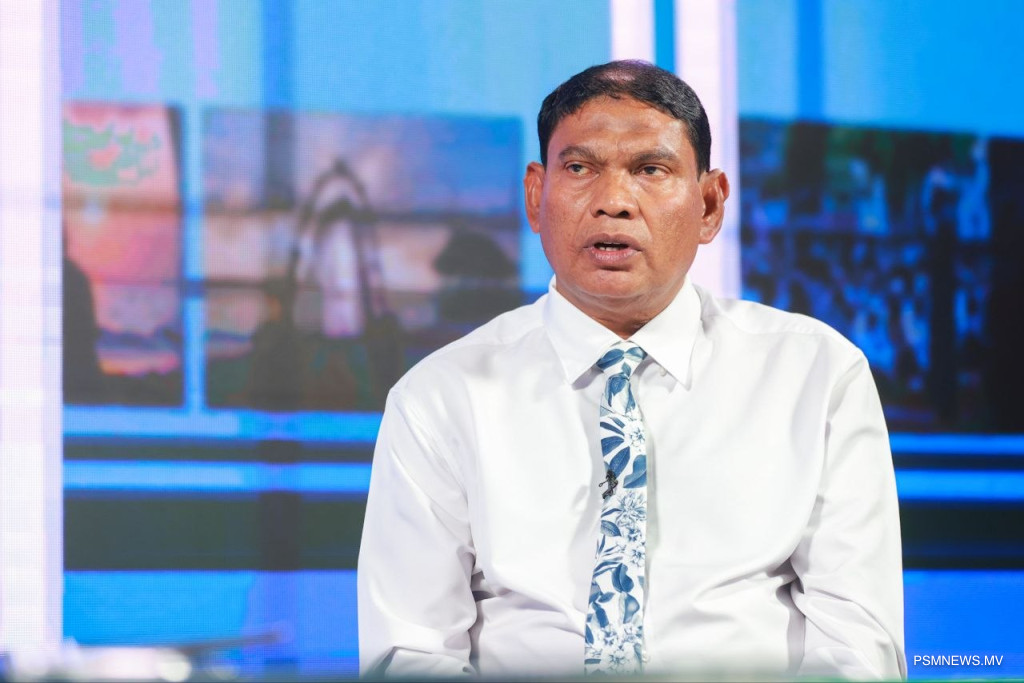
Fenaka Corporation has suffered irreversible damage due to systemic procurement failures and corruption under its previous leadership, according to Managing Director Mohamed Afeef Hussain. The utility provider is now grappling with escalating financial burdens and persistent mechanical failures stemming from these institutional lapses.
In an interview with PSM News, Afeef detailed how former management failed to implement adequate oversight when acquiring essential supplies. He revealed that the quality of materials was so severely compromised that Fenaka's own engineers had explicitly warned upper management about the deficiencies. Rather than addressing these concerns, the previous leadership allegedly prioritized the personal interests of insiders and external parties over fiscal responsibility.
The impact of these failures is tangible, with the corporation forced into a costly cycle of repeatedly repairing the same infrastructure. Afeef explained that the fraud was sophisticated, noting that while a part's code number might appear correct, the actual items were deceptive duplicates designed to resemble genuine articles.
Beyond procurement, Afeef highlighted instances of internal malfeasance where documents were approved using the names of former employees to illicitly solicit funds. He asserted that the current administration is moving decisively to put a complete stop to these fraudulent practices.
As Fenaka provides essential utilities across the Maldives, the use of substandard materials directly undermines the quality of public services. The corporation is now working to restore operational integrity and safeguard public funds.
Following directives from President Dr. Mohamed Muizzu, Fenaka is systematically eliminating these vulnerabilities. The corporation is currently establishing modernized procurement protocols to secure genuine spare parts and ensure long-term institutional transparency.