Fenaka to Help Departing Staff Launch Businesses Amid Workforce Restructuring
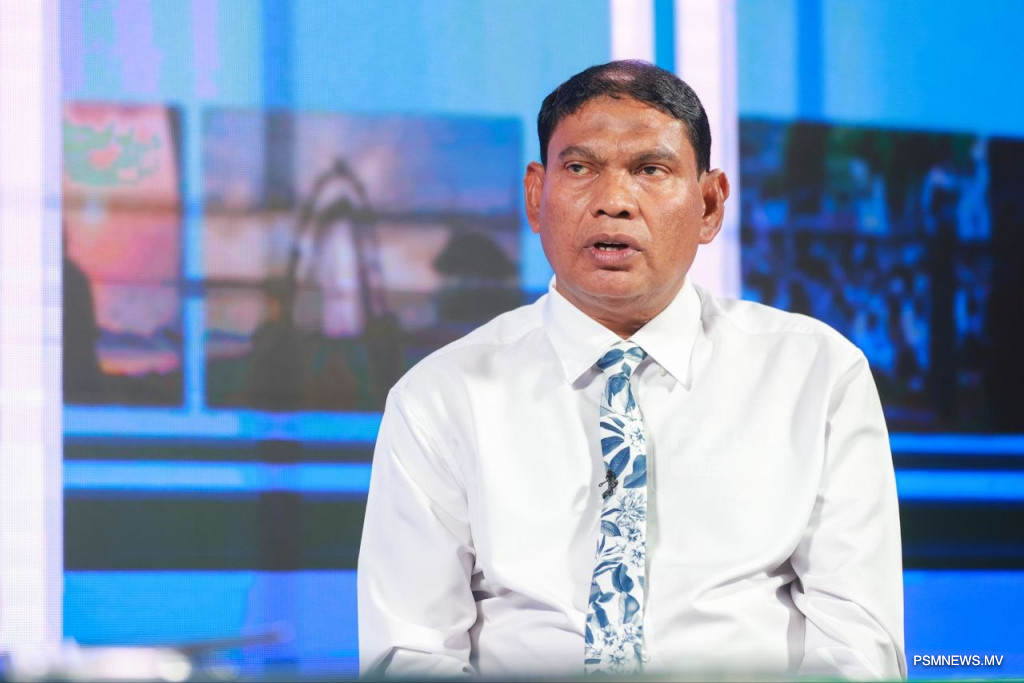
The Maldivian government will provide support to employees voluntarily leaving Fenaka Corporation to help them establish their own private businesses. Managing Director Mohamed Afeef Hussain announced that the initiative aims to ensure staff who no longer have meaningful roles can transition into entrepreneurship with dignity.
A total of 108 employees have applied for the voluntary separation scheme. Those departing will receive a redundancy payment equivalent to four months' salary. To further support their transition, Fenaka will assist these individuals in accessing government loan schemes, some of which the Ministry of Finance has confirmed do not require mortgages.
"Keeping employees at home without any work is not beneficial for the country," Afeef stated during a program on Dhivehi Raajjeyge Adu. "We want to help them access government loan schemes to start businesses so they can pursue dignified livelihoods on their own."
The restructuring comes as Fenaka struggles with a payroll that exceeds its current income. The company employs 8,000 people, and the government currently provides between USD 2.59 million and USD 3.24 million monthly to cover salary costs. Afeef explained that the redundancy payments are funded through the existing approved annual budget, noting that the move is financially prudent; paying a four-month lump sum now saves the company the cost of salaries for the remaining months of the year.
According to Fenaka, the workforce reduction is a strategic move to improve operational efficiency and enhance public service delivery. The company highlighted a significant imbalance in staffing, noting that while some islands have very little work available, they remain stationed with large numbers of employees, making a comprehensive restructuring necessary.
This move signals a broader effort by the state-owned utility provider to lean its operations and reduce its heavy reliance on government subsidies while empowering former employees to contribute to the local economy as small business owners.