Fifty Monsoons of the Same Economic Diversification Talk
The question hangs in the salt-thick air: what truly constitutes the private sector that drives our islands? Not the newspapers, someone observes, and the statement lingers like the humidity before rain. We've been speaking of economic diversification for fifty monsoons, watching the same patterns repeat like the seasonal currents.
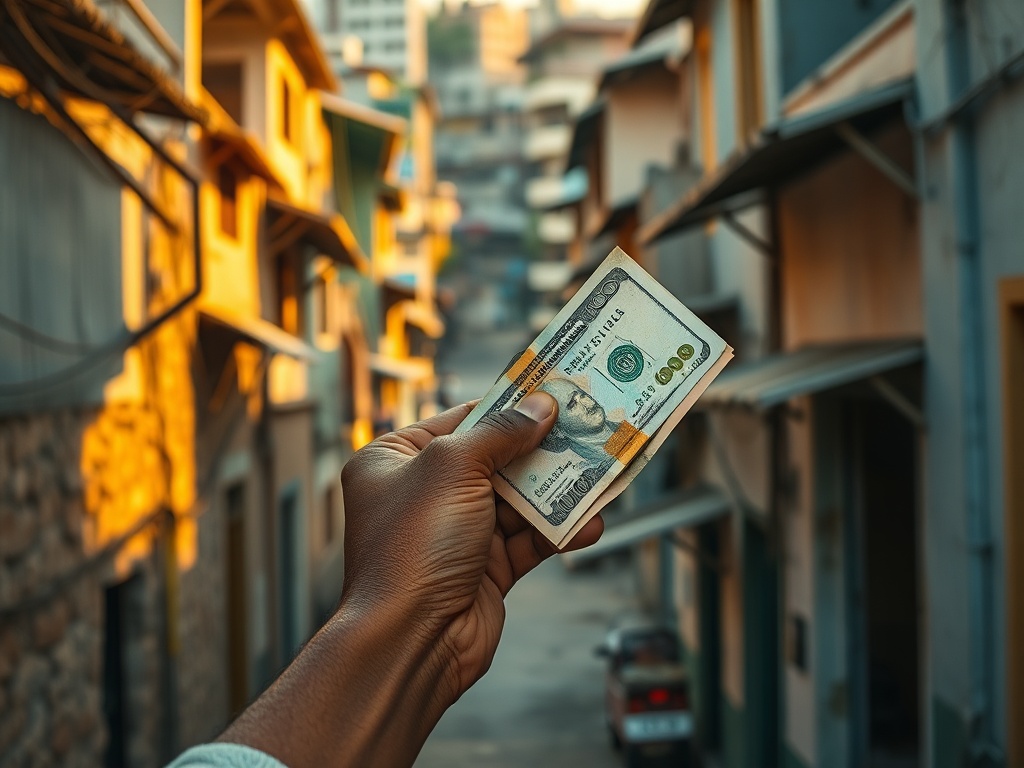
In the heart of Malé, where buildings crowd like mangrove roots, workers receive their pay in rufiyaa while the resorts they serve operate in dollars. There's a dissonance in this exchange, a gap between the currency of policy and the currency of survival. The government forces conversion at imaginary rates, creating a shadow economy where money finds its true value in back alleys and whispered transactions.
Meanwhile, shopkeepers face impossible choices—asked to refuse cigarette sales to paying customers while in broad daylight, more dangerous substances flow freely. The contradiction stings like saltwater on sunburned skin. Policies designed to protect instead create new vulnerabilities, new ways for the system to fracture.
Remittance caps leave diaspora communities suspended between homelands, while at home, the cost of living rises like the tide—relentless, inevitable, eroding the shores of daily existence. We print money to bridge gaps, but the bridges sink beneath the weight of their own construction.
The real private sector isn't in boardrooms or policy papers. It's in the fisherman who converts his catch to meals, the shopkeeper balancing ledgers as monsoon clouds gather, the resort worker exchanging labor for currency that loses value between payment and purchase. Their resilience is the true economy—the one that persists when policies change, when governments shift, when foreign relations strain.
We carry these economic tensions in our pockets, in the fading ink of rufiyaa notes, in the calculation of how many hours of work equal a kilo of rice, a child's schoolbook, a visit to the doctor. The system may be broken, but the people within it continue, adapting, surviving, finding ways to make the numbers add up against all odds.
— Source fragments: What is the 'private sector' that matters to our economy?; even in the forced usd policy it's the maldivian workers suffering because they're being paid in ruffiya now instead of dollars; wrong angle. why does the resorts have mvr to pay workers in mvr in the first place?; Cap on remittance leaves Indian diaspora in Maldives in the lurch; generation ban is a useless woke policy which will cost 13% votes; Yes, our economy needs diversification, we've been saying that for 50 years