Fifty Monsoons, the Same Economic Question
The question hangs in the humid air like the salt mist after a monsoon shower: what truly powers our economy? We speak of diversification as if it were a new discovery, yet for fifty monsoons we've watched the same patterns repeat themselves. The resorts stand as gleaming monuments to tourism dollars, while the currents beneath carry our currency away to foreign shores.
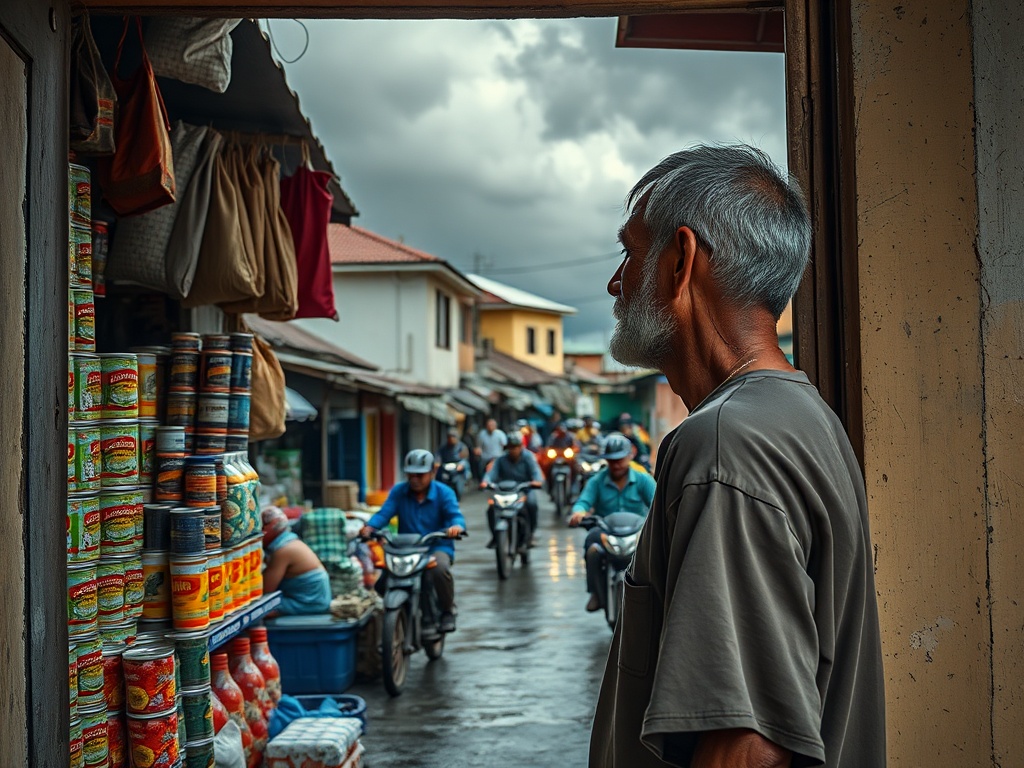
In the narrow streets of Malé, shopkeepers weigh their choices between regulation and survival. A generation ban on cigarettes feels like trying to stop a wave with bare hands when the ocean of drug abuse flows freely in daylight hours. The policies crafted in air-conditioned offices rarely account for the man behind the counter, trying to feed his family while navigating contradictory realities.
Our people feel the squeeze in ways the numbers cannot capture. When currency policies shift, it's the Maldivian worker who finds their pay converted from dollars to rufiyaa, watching their purchasing power diminish with each transaction. The resorts continue their operations, their financial currents flowing through channels that bypass the very people who sustain them.
The frustration grows not from misunderstanding, but from seeing clearly how the system functions. We watch as housing meant for locals becomes investment properties for those living abroad, as healthcare shortages force families to seek treatment overseas, as the promise of opportunity drifts further from reach with each passing season.
Yet in this tension lies a quiet resilience. The Maldivian spirit has weathered storms before. What we seek is not just economic reform, but recognition that policies must be rooted in the lived experience of our islands. The true private sector isn't just the resorts and newspapers—it's the fisherman rising before dawn, the shopkeeper balancing his ledger, the young graduate hoping their education will find purchase in their own land.
The economy we build must serve the people who call these islands home, not just the numbers on a balance sheet. Until then, we remain caught between the world we're told exists and the one we live each day.
— Source fragments: What is the 'private sector' that matters to our economy; generation ban is a useless policy; maldivian workers suffering because they're being paid in rufiya now instead of dollars; our economy needs diversification, we've been saying that for 50 years; it's not fair and it looks like they have no clue to fix this mess