Fisheries Minister Implements New Checks to End Rejected Fish Exports
The Maldives is implementing stricter quality controls to stop the export of substandard fish, ending a long-standing issue where a significant portion of shipments were rejected by international markets. Minister of Fisheries, Agriculture and Ocean Resources Ahmed Shiyam announced that the Maldives Industrial Fisheries Company (MIFCO) has introduced measures to ensure only high-quality produce leaves Maldivian ports.
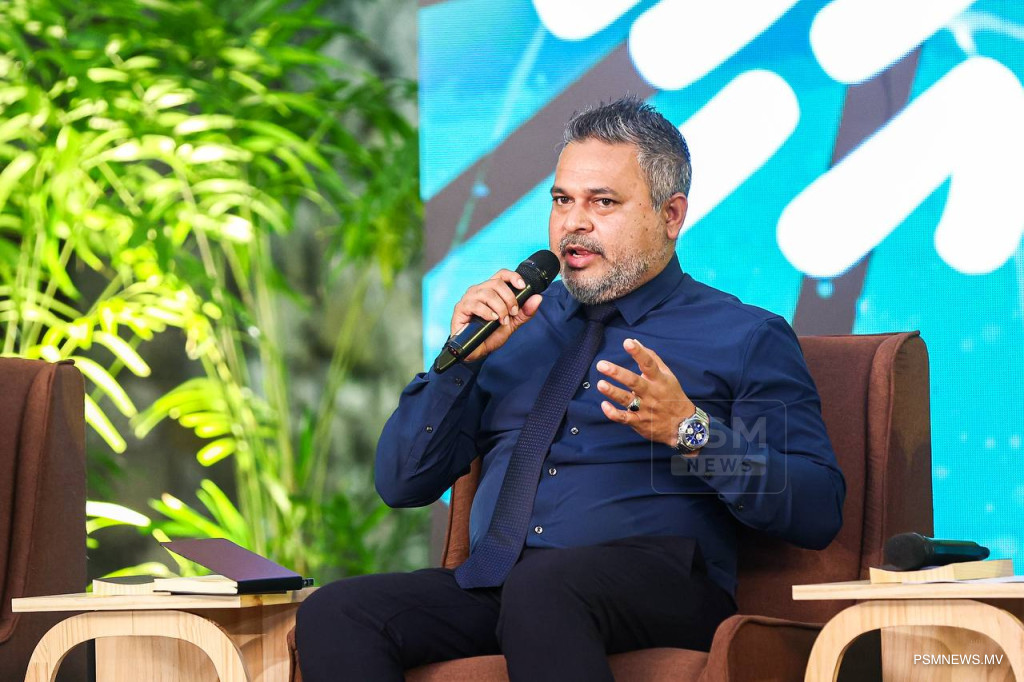
Speaking at the 'Ahaa' forum, Minister Shiyam revealed that fish rejection has been a persistent challenge for years. During his tenure in Parliament, he observed that approximately 10 to 12 percent of shipments were routinely rejected. He emphasized that improving the sector requires honesty and transparency across the expansive export network.
Under the new policy, the purchasing companies will now inspect fish during the loading process at Maldivian ports. This shift ensures that substandard fish are identified and filtered out before they are officially recorded as MIFCO exports, preventing the reputational and financial damage associated with international rejections.
Minister Shiyam also addressed the need for a more inclusive fisheries sector, arguing that both MIFCO and private enterprises should have equal opportunities to operate. He criticized previous government policies for disregarding market prices, which he claimed led to substantial losses for private operators. He stated that the current administration's reforms are already yielding positive results in stabilizing the industry.
Currently, the Maldives exports the majority of its catch as raw fish. This is largely due to a lack of sufficient cold-storage capacity, which forces the industry to export catches quickly to avoid spoilage. To resolve this systemic bottleneck, the government is actively working to increase national storage capacity, allowing for better quality control and more strategic market timing.