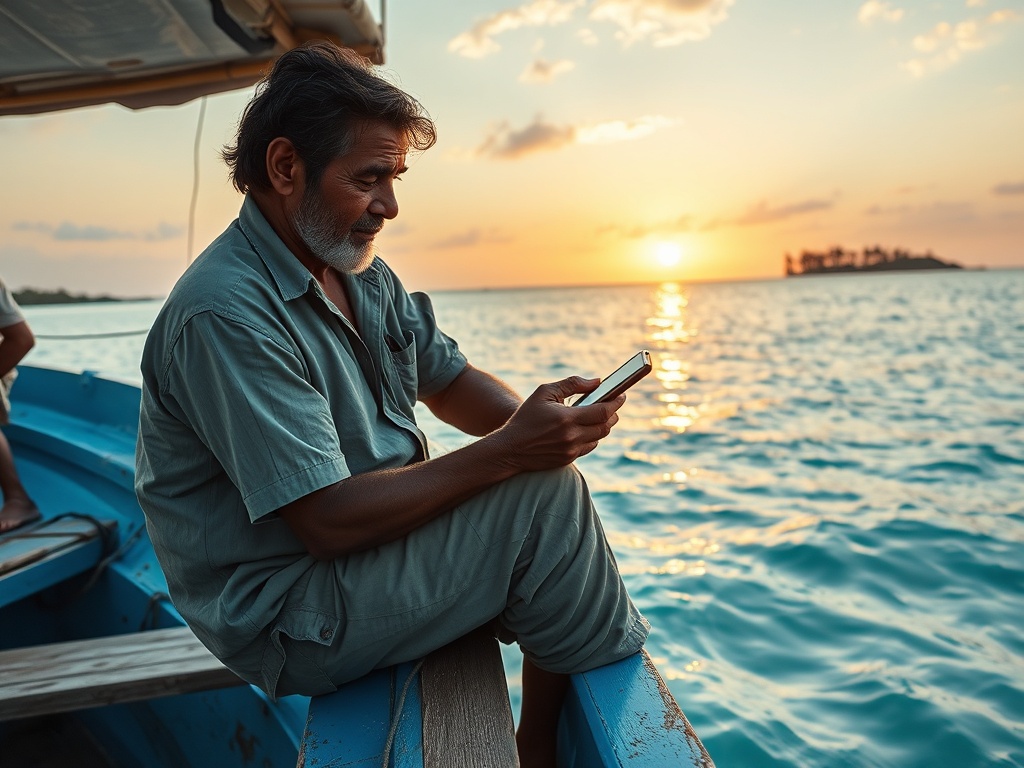
Fisherman Watching Distant Wars from a Dhoni in Turquoise Waters
In the digital age, geopolitical conflicts once distant now arrive instantly in Maldivian living rooms through smartphone screens. The plight of Palestinians, Rohingya, Uyghurs, and other Muslim communities worldwide has become an intimate concern for a nation that is 100% Muslim yet geographically removed from these crisis zones.
The conversation reveals a complex understanding of global power dynamics. There's recognition that oppression of Muslim minorities isn't confined to any single region or perpetrator—whether in Israel, China, India, or Myanmar. This awareness reflects a maturity in political consciousness that transcends simplistic narratives. The condemnation of figures like Laura Loomer, who reportedly used influence to rescind visas for Gazan children, underscores how bureaucratic mechanisms can become tools of exclusion.
Simultaneously, there's skepticism toward international interventions marketed as democratic missions. The sentiment echoes experiences many Muslim-majority nations share—where foreign involvement often compounds rather than resolves problems. This perspective isn't born in isolation but from collective memory of how external powers have historically reshaped regional landscapes.
Yet within this global solidarity lies a crucial tension: the need to maintain clear-eyed assessment of all oppression, regardless of the perpetrator's identity. The call to boycott companies profiting from conflict represents a practical response—consumer activism as political statement in an interconnected world.
For Maldivians observing from island nation vantage points, these global struggles resonate against domestic challenges. The foreign currency shortages, housing crises, and governance issues facing the Maldives create a parallel understanding of how systemic failures manifest differently but share common roots in power imbalances and resource mismanagement.
The discourse reflects a community grappling with its place in the Muslim world—neither Arab nor Levantine, but connected through faith and shared experience of navigating global power structures. This creates a unique perspective: one that can critique both Western interventionism and shortcomings within Muslim-majority nations with equal clarity.
As the Maldives confronts its own governance challenges—from politicized institutions to economic pressures—the global Muslim experience serves as both warning and inspiration. The recognition that oppression anywhere threatens dignity everywhere fuels a determination to address both international injustices and domestic reforms with equal urgency.
— Source fragments: Eastern Europeans thinking eastern Europe is closer than Levant to Palestine; Stories of Muslim minorities being oppressed should not be dismissed; Westerns entered Muslim countries by name of democracy and destroyed them; Laura Loomer using Jewish privilege against Gazan children; Muslim countries seeing deals as only path; Boycott companies profiting off genocide; Israel killing Palestinian children