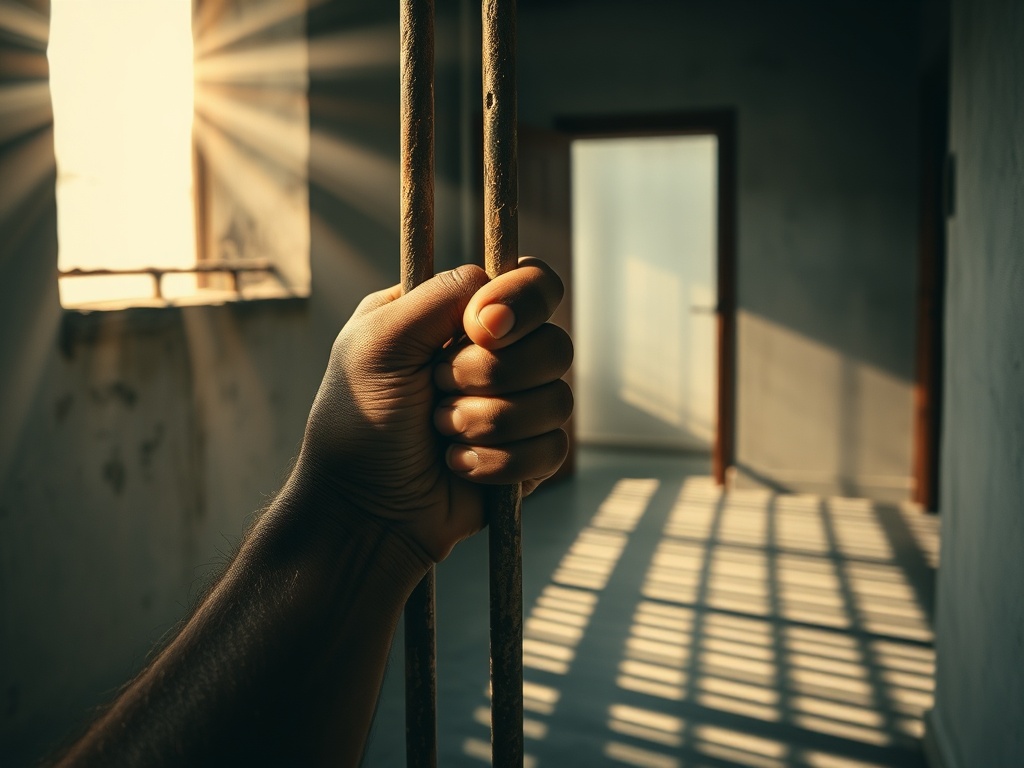
Five Years in a Cell, Still Waiting for a Verdict
Five years is a long time to wait for an answer. Five years of uncertainty, of life suspended, of families left in limbo. In the Maldives, where the pace of development seems to accelerate daily, the wheels of justice can sometimes appear to grind to a halt for certain cases, leaving individuals detained without resolution.
The fundamental question isn't necessarily about guilt or innocence—it's about process. For any alleged crime, the possibilities are binary: the accused either committed the act or they did not. To spend half a decade merely determining which possibility applies represents a systemic failure that transcends individual cases. These are not abstract legal concepts but real people with families, careers, and communities that feel their absence.
Critics point to clear patterns of neglect within the prosecution system, where cases stall not from complexity but from inertia. When judicial oversight is strong, such protracted detentions without progress should trigger dismissals, yet they persist. This creates a troubling discrepancy between the ideal of swift justice and the reality of indefinite postponement.
The conversation around national security adds another layer. Globally, the language of extremism and terrorism has been weaponized in ways that sometimes bypass fundamental rights. The Maldivian context demands particular vigilance against importing such frameworks without the crucial safeguards of rule of law and due process. Keeping someone jailed for years with a case stalled indefinitely represents the very trap we must avoid—where security concerns override constitutional protections.
What's particularly striking is that this phenomenon doesn't necessarily follow predictable political targeting. If this were purely political, the most vocal critics would logically be first in line for such treatment. Yet the pattern appears more arbitrary, suggesting systemic inefficiency rather than calculated persecution.
The human cost of these delays cannot be overstated. Each year of waiting represents birthdays missed, children growing up without parents, careers derailed, and mental health deteriorating. The presumption of innocence becomes meaningless when detention feels like punishment regardless of eventual verdict.
As the Maldives continues its development journey, the efficiency and integrity of its judicial system remain fundamental to national progress. A society's commitment to justice is measured not only by how it treats the guilty but by how it protects the rights of those awaiting judgment. When the process becomes the punishment, something essential has been lost.
— Source fragments: Keeping someone in jail for five years with the case stalled; For any crime there are only two possibilities — keeping someone in jail for 5–6 years just to figure that out is absurd; These are real people with lives & families; securitization weaponized by the west, must follow rule of law; patterns of neglect from Prosecution