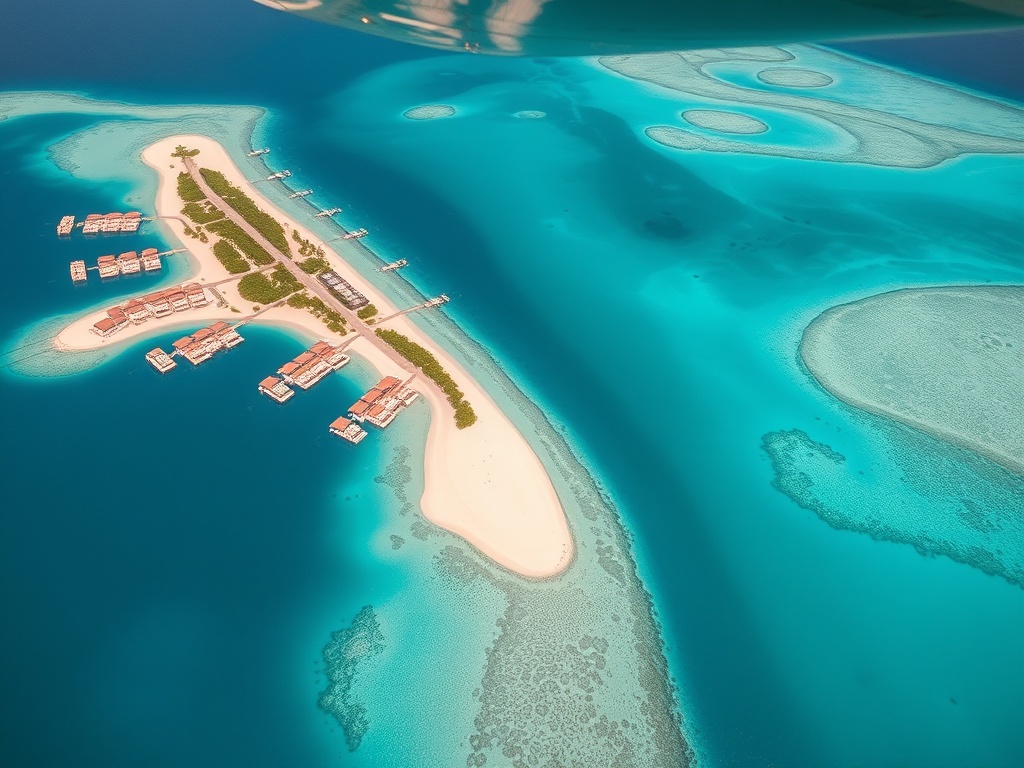
Five Years of Free Land in Kaafu Atoll Changed Everything
In the scattered islands of Kaafu Atoll—Maafushi, Thulusdhoo, Huraa—a quiet transformation has been unfolding over the past five years. Land, that most fundamental of resources in an archipelago nation, has been distributed freely to residents, creating a web of entitlements that now shapes political possibilities. This pattern of land distribution represents more than just housing policy; it reveals how property becomes political currency in the Maldives.
The systematic granting of land rights creates immediate stakeholders who become invested in maintaining the status quo. Once individuals receive property, they develop a vested interest in protecting their newfound assets. This creates a political inertia that makes substantive reform nearly impossible, particularly when it comes to changing eligibility criteria or distribution mechanisms. The very act of giving land freely establishes expectations and dependencies that future administrations cannot easily undo.
This dynamic plays out most visibly in discussions about gender-based land rights. When land distribution becomes widespread and institutionalized, any proposal to restrict access based on gender faces immediate resistance from those who have already benefited from the system. The political calculus becomes clear: challenging established property rights means challenging voters who now have tangible assets to protect.
The pattern extends beyond individual islands to the broader conversation about uninhabited islands and their ownership. When certain individuals control multiple uninhabited islands while others struggle for basic housing, it highlights the uneven distribution of one of the nation's most valuable resources. This disparity fuels public skepticism about whether land distribution serves public need or political convenience.
What emerges is a system where land becomes both reward and constraint. It rewards political loyalty while constraining future policy options. The very act of distribution creates constituencies that will resist any change to the rules that benefited them. This creates a cycle where short-term political gains through land distribution undermine long-term policy flexibility.
As the Maldives continues to grapple with housing shortages and urban congestion, the legacy of these land distribution policies will shape what solutions remain feasible. When property rights become entrenched, the space for innovative approaches to land management narrows considerably. The challenge moving forward will be balancing the legitimate expectations of those who received land with the broader public interest in fair and sustainable land use policies across the archipelago.
— Source fragments: Look at all the land that was given in the last 5 years from kaafu atoll islands alone to it's residents. Maafushi, thulusdhoo, hura. Land is given free to all. Noone will give up their rights so no change will ever be proposed