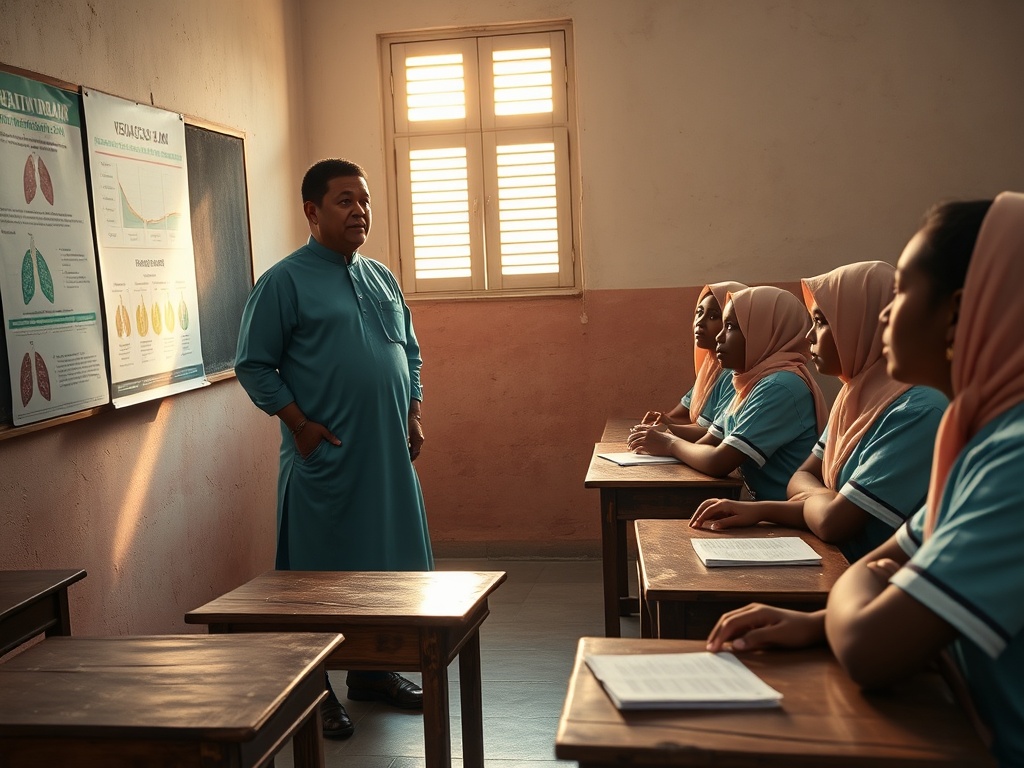
For Maldivians Born After 2007, Tobacco Is Now Forever Off-Limits
The Maldives has etched its name in global public health history with a landmark generational tobacco ban that prohibits anyone born after January 1, 2007, from ever buying, selling, or using tobacco products. This sweeping legislation represents more than just policy—it signals a fundamental shift in how nations might approach preventive health care.
While the ban itself has drawn international attention and congratulations, the conversation among Maldivians reveals deeper considerations about what comprehensive health protection truly entails. The legislation emerges against a backdrop of local healthcare challenges, including medicine shortages and systemic inefficiencies that often drive citizens to seek treatment abroad.
This context makes the tobacco ban particularly significant—not just as a standalone achievement, but as a potential catalyst for reimagining health infrastructure. The prohibition represents a proactive stance against future health burdens, acknowledging that preventing disease is ultimately more effective than treating it.
Yet prevention extends beyond legislation. The discussion naturally turns to what complementary systems could support this bold move. Some observers point to the potential for innovative insurance models that reward healthy behaviors rather than simply treating illness. Such systems, coupled with preventive care, could create a holistic approach where policies like the tobacco ban serve as one component of a larger health ecosystem.
This perspective finds resonance in traditional Maldivian practices that have long emphasized preventive care. References to Dhivehi Beys—traditional remedies passed through generations—highlight how prevention has always been part of the cultural fabric, even as modern healthcare systems evolve.
The tobacco ban thus becomes more than a prohibition; it becomes a statement of values. It declares that the health of future generations deserves protection at the policy level, and it invites consideration of how other innovations might build upon this foundation. As Maldives navigates the implementation of this groundbreaking law, the world watches not just to see if prohibition works, but to learn how nations might construct comprehensive health systems that prioritize prevention alongside treatment.
The true test may lie in what follows—whether this bold step inspires complementary innovations in insurance, healthcare delivery, and public education that together create the tobacco-free, health-conscious nation the legislation envisions.
— Source fragments: Maldives tobacco ban announcements, preventive healthcare insurance idea, traditional medicine references