Foreign workers take jobs from Maldivians
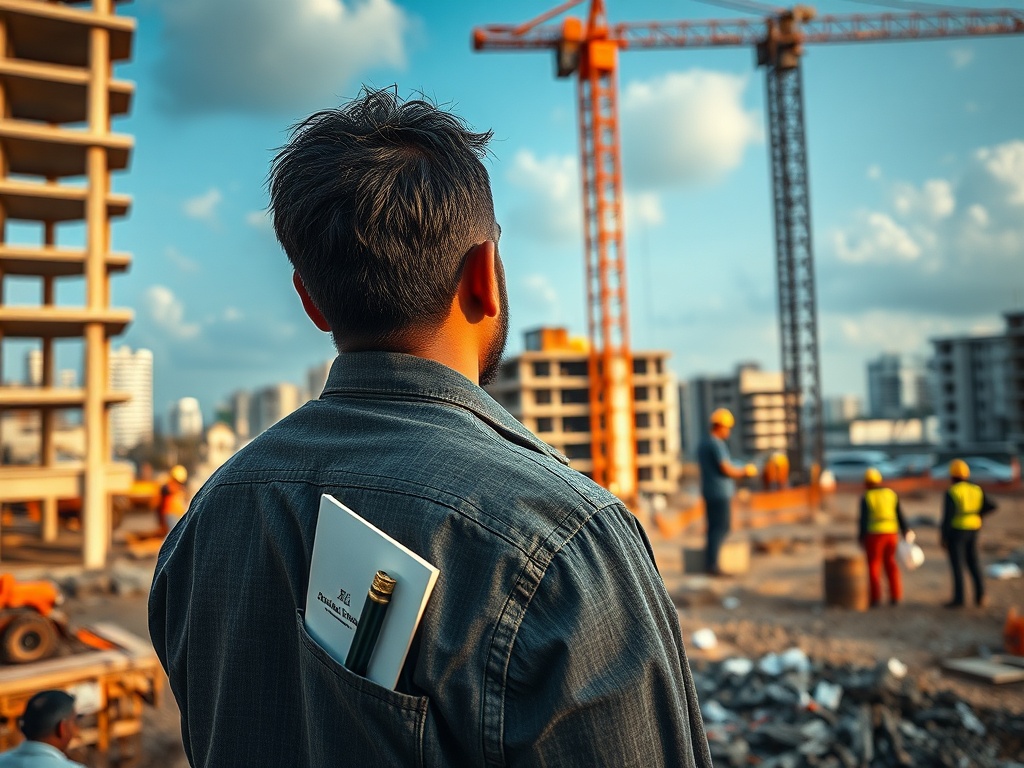
I stood in line at the construction site office yesterday, my engineering diploma folded in my back pocket. The man ahead of me spoke Bengali, the one behind Hindi. When the supervisor came out, he glanced at my application and said, "We need experienced workers." I'm 24, graduated top of my class, and have been unemployed for eight months. This scene repeats across Malé—in cafes where Sri Lankan baristas serve coffee, in shops where Bangladeshi cashiers ring up purchases, in construction sites where Indian foremen direct crews.
It's not hatred that fuels this frustration. We see these men working hard, sending money home to families poorer than ours. But when our government fast-tracks work permits while 30% of our youth can't find jobs, something feels broken. Our fathers worked as carpenters, mechanics, fishermen. Now those same jobs go to foreigners who accept lower wages because their families survive on less back home.
The math is simple: 350,000 citizens versus nearly 180,000 foreign workers. Walk through any market in Malé after sunset—the voices you hear aren't speaking Dhivehi. Our language, our culture, our sense of belonging feels diluted in our own capital. This isn't about being unwelcoming; it's about preserving what makes us Maldivian while ensuring our children have futures here.
We're told the economy needs these workers, that Maldivians won't do certain jobs. But when starting wages for graduates are 8,000 Rufiyaa while a foreign worker accepts 5,000, the choice becomes obvious for employers. The same politicians who promise "Maldivian jobs for Maldivians" then approve thousands more work permits. The disconnect between rhetoric and reality grows wider each year.
There's dignity in work, in building your own nation with your own hands. Watching from the sidelines while others build our infrastructure, serve our tourists, operate our businesses—it chips away at something fundamental. We want to contribute, to see our education translate into meaningful work, to know that the Maldives we love will still be Maldivian when our children inherit it.
Perhaps the solution isn't sending anyone away, but creating pathways where Maldivian skills are valued first. Where our diplomas mean more than cheap labor. Where we can work alongside foreign colleagues as equals, not replacements. That future feels possible if we demand it together.